Short answer: Water testing is the step everything else depends on. Without numbers you are buying equipment on a guess, and guessing is how households end up with an oversized softener, a fouled resin bed, or a filter solving a problem they never had.
What this guide covers
Why water testing comes first
Symptoms tell you something is wrong. Water testing tells you what, and how much, and that quantity is what sizes the equipment.
Cloudy glass and stiff towels both point at hardness, but the difference between 8 and 22 grains per gallon is the difference between two very different softeners.
On a private well the case is stronger still, because nothing about that water has been checked by anyone unless the owner arranged it.
- 7-10 gpgthe point at which water is classed as hard
- 0.3 mg/Liron level that begins fouling softener resin
- pH 7below this, water attacks copper pipework
- Freeon-site water testing with no obligation
What a proper test covers
Hardness in grains per gallon is the headline for most Hill Country households, and it is the number that drives softener capacity.
Iron and manganese come next, because they stain fixtures and, more expensively, foul softener resin if they reach it untreated.
Then pH, clarity, hydrogen sulfide and, on wells, bacteria and nitrate. Each one changes what belongs in the sequence.
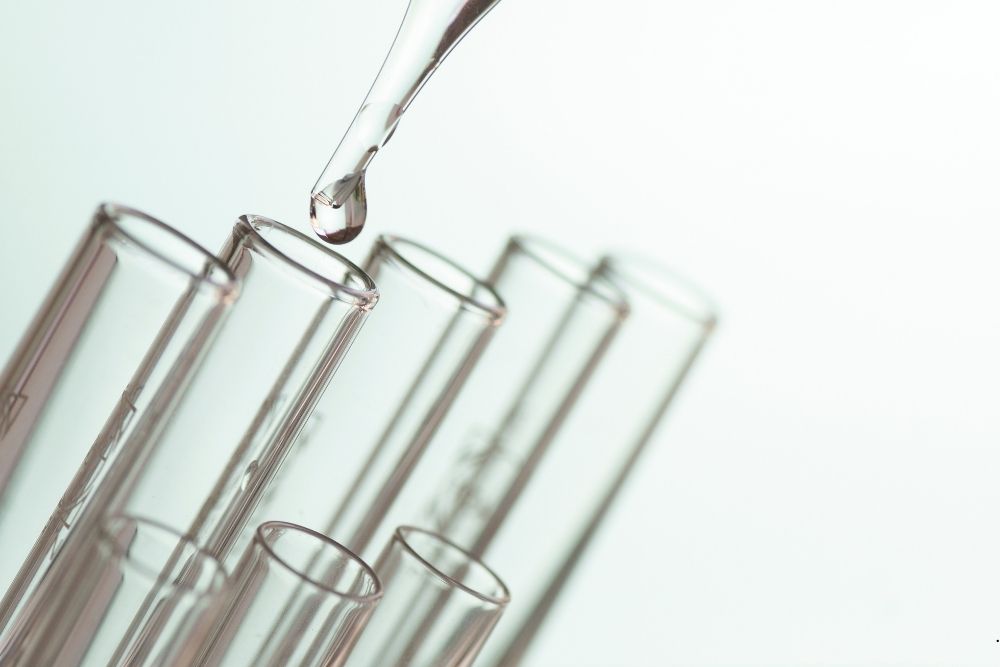
On-site water testing versus a laboratory
Field water testing gives immediate, reliable answers for hardness, iron, pH, clarity and odour, which covers the great majority of household decisions.
A certified laboratory is the right tool for bacteria, nitrate, arsenic and anything with legal or health weight attached to the result.
We do the field work free of charge and tell you plainly when a result needs a laboratory instead of a field kit.
- 1BookFree on-site visit arranged across the Hill Country.
- 2MeasureHardness, iron, pH, clarity and odour tested at your tap.
- 3ExplainResults talked through in plain numbers, not sales language.
- 4DecideEquipment specified only where the results justify it.
City water and what the report does not say
Public systems publish annual quality reports, and those are genuinely useful for understanding what is in the supply.
They are system averages, though, measured at the plant rather than at your tap, and they say nothing about your own pipework or your softener.
Chlorine taste, for instance, is a real complaint that no compliance report will ever flag, because the water is entirely within specification.
| What we measure | Typical threshold | What it decides |
|---|---|---|
| Hardness | Above 7 gpg | Softener capacity and regeneration interval |
| Iron | Above 0.3 mg/L | Whether pre-treatment is needed |
| Manganese | Above 0.05 mg/L | Catalytic media filtration |
| pH | Below 7 | Whether a neutralising filter is needed |
| Turbidity | Visible cloudiness | Sediment pre-filtration |
| Coliform | Any detection | Retest, wellhead inspection, then UV |
Private wells and the testing schedule
Annually as a baseline, covering bacteria, nitrate, hardness, iron and pH.
Immediately after any change in taste, smell, colour or clarity, and after flooding or heavy rain near the wellhead.
Also before closing on a property with a well, and after any work on the well, the pump or the pressure tank.
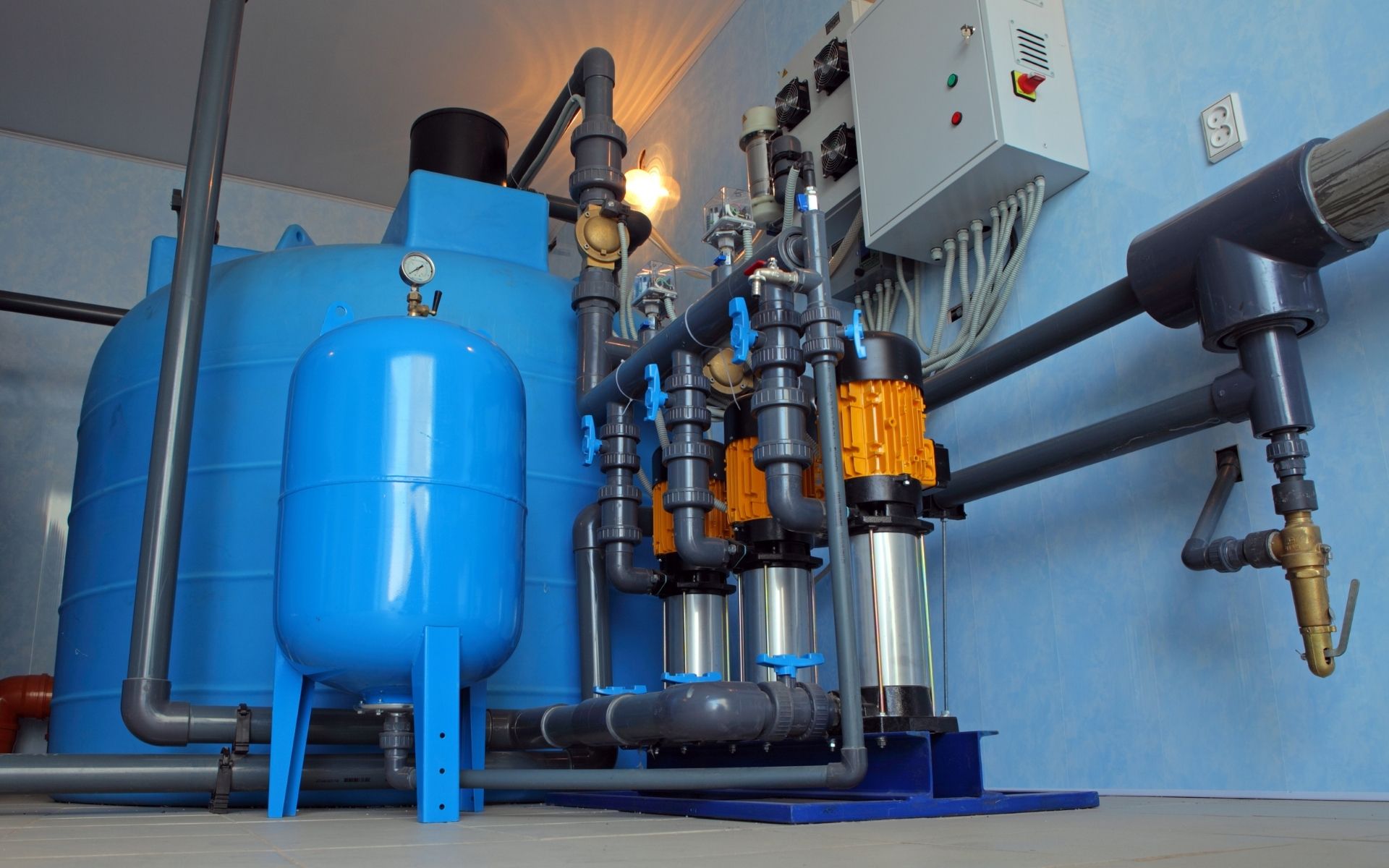
Reading your results
Hardness below 3 grains per gallon is soft, 7 to 10 is hard, and above 10 is very hard. Most of this region sits in the last band.
Iron above roughly 0.3 milligrams per litre stains and fouls resin. Manganese does the same at lower concentrations and leaves darker marks.
pH below 7 is acidic and attacks copper. Any detectable coliform is a health matter rather than a nuisance and needs retesting rather than equipment.
Turning numbers into equipment
Household size times daily consumption times grains per gallon gives the daily load, and the softener is sized to regenerate every three to five days.
The other results decide the sequence: sediment first, then iron and sulfur, then softening, then disinfection, then any drinking-water polishing.

Testing again later
Well chemistry drifts. Drought concentrates dissolved minerals as the water table drops, and heavy rain can push surface contamination toward a wellhead.
Equipment changes too. A softener that has quietly lost capacity shows up in the numbers long before the household notices the water.
We retest at service visits, which is how a system gets adjusted rather than replaced.
Booking a free test
We test on site across Boerne, Kerrville, Fredericksburg, New Braunfels, Canyon Lake, Bandera and San Antonio.
The visit carries no obligation and no charge, and a fair share of them end with us confirming the water is fine and recommending nothing at all.
You get the numbers either way, and those numbers are yours to take to whoever you like.
Frequently asked questions
How much does water testing cost?
Our on-site testing is free and carries no obligation. Certified laboratory analysis for bacteria or nitrate is charged separately by the lab.
What does a basic test cover?
Hardness, iron, manganese, pH, clarity and odour on site. On wells, add bacteria and nitrate through a laboratory.
How often should I test a private well?
Annually at minimum, and immediately after any change in taste, smell or colour, or after flooding near the wellhead.
I am on city water. Is testing still worth it?
Yes. Published reports are system averages measured at the plant, not readings at your tap.
Do I have to buy something afterwards?
No. A fair share of our visits end with us confirming the water is fine, and the numbers are yours either way.
Book your free water test
We test on site for free across Boerne, Kerrville, Fredericksburg, New Braunfels, Canyon Lake and the wider Hill Country. You get the numbers in writing, with no obligation.
Related reading: water testing and analysis, well water services, water softeners, water filtration systems.
More from this guide: well water treatment in order, well water purification and well water filtration stages. Also worth reading: our Kerrville service area.
Sources and further reading: Texas Well Owner Network (Texas A&M AgriLife), EPA national primary drinking water regulations, Texas Water Development Board groundwater data.