
Good water softener maintenance is mostly simple: keep the salt right, keep the brine tank clean, and have the valve, settings and output checked on a regular schedule. Very hard San Antonio water and iron in Hill Country wells make that schedule matter more here than in most places. This page covers what you can do yourself, what a professional water softener maintenance visit includes, and how often to book one.

The short answer
Routine water softener maintenance means keeping the salt level up and free of bridges, cleaning the brine tank when sludge builds up, and checking that the softener is regenerating on the right schedule for your hardness. A professional visit adds a look inside: the injector, screens, seals and valve, plus a hardness test on the treated water.
Most homes on city water benefit from a professional check about once a year. Softeners on wells with iron or sediment often need it more often.
Why it matters
San Antonio tap water commonly tests at 15 to 20+ grains per gallon. At that hardness, a softener works hard every day, and small problems such as a salt bridge or a partly clogged injector show up quickly as scale on fixtures and spots on dishes.
Chloramine in city water slowly breaks down softener resin, and iron in well water can coat it. Penn State Extension notes that oxidized iron will clog softener resin. Regular water softener maintenance catches these problems while they are still cheap to fix.
A softener that is checked and set correctly also uses less salt and water, because it regenerates only when it needs to.
Do it yourself
Most of the routine work takes a few minutes a month and needs no tools.
Keep the tank about half full with clean softener salt. Do not overfill, which makes bridges more likely.
Push a broom handle gently through the salt. If it hits a hard crust over an empty space, break it up and run a regeneration.
A hardness test strip at a cold tap should read close to zero. If it rises, the softener needs attention.
After a power outage, make sure the display shows the right time so the softener regenerates when it should.
Make sure the bypass valve is in service after any plumbing work.
Keep the area clear and dry, and keep the drain line free of kinks.
Professional service
A service visit goes beyond the salt tank. Our technicians start with a hardness test on your incoming and treated water, then work through the system.
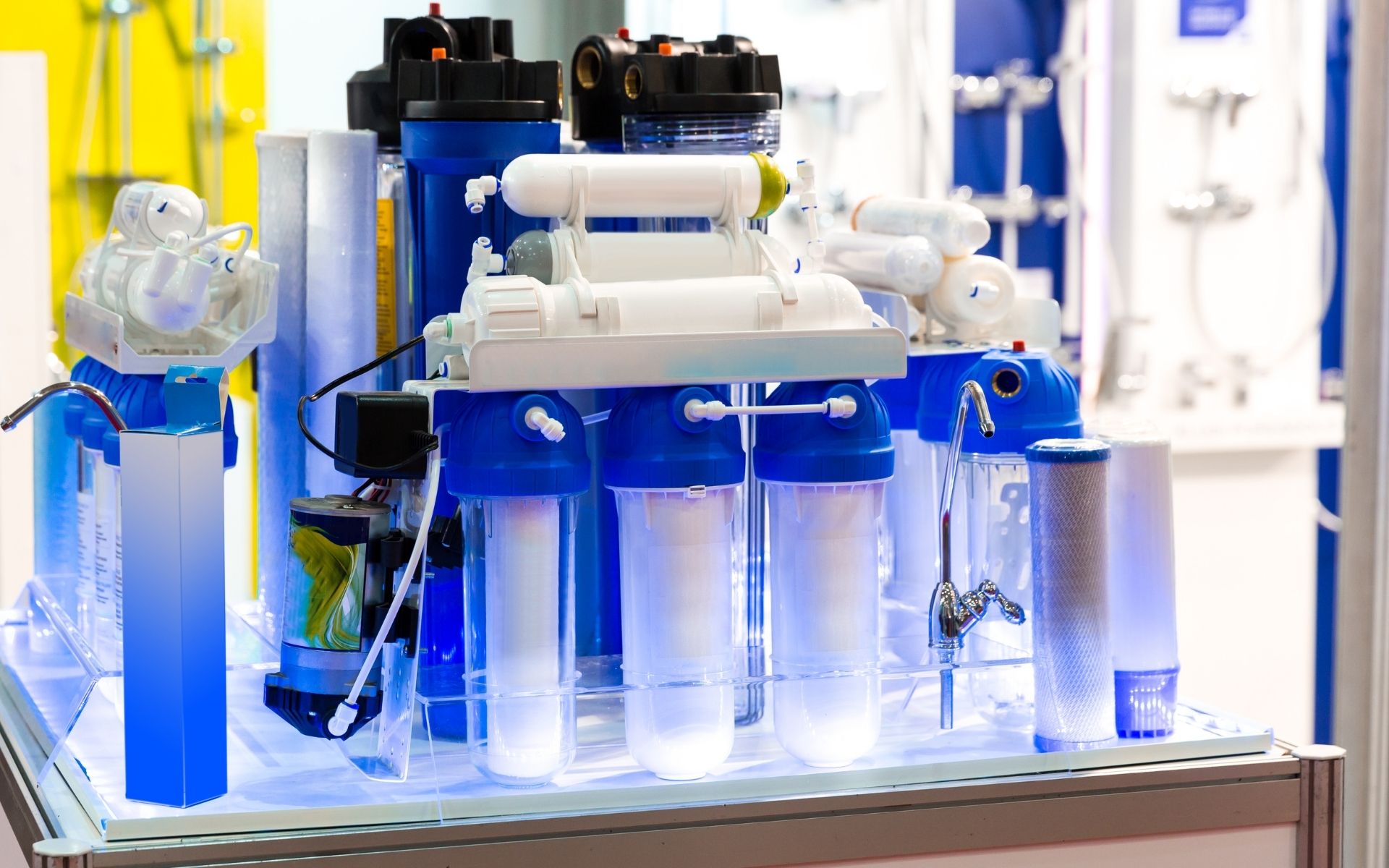
If you also have a reverse osmosis system, a UV unit or an iron filter, we can service those on the same visit so your whole system stays on one schedule.
Schedule
The right interval depends on your water and your equipment. The table is a starting point; we set the actual schedule after we see your system.
| Situation | Suggested professional check | Why |
|---|---|---|
| City water, softener only | About once a year | Hard water and chloramine wear on parts over time |
| Well water, low iron | About once a year | Wells vary; yearly testing is recommended anyway |
| Well water with iron or sediment | Every 6 months or as advised | Iron and sediment foul resin and clog injectors |
| Softener plus reverse osmosis | Yearly, with RO filter changes | Keeps both on one schedule |
| Older softener, 10+ years | Yearly, with a resin check | Catches wear before it becomes a failure |

Cleaning
Over time, insoluble material from salt settles in the bottom of the brine tank as sludge. Cleaning the tank every so often, or when sludge is visible, keeps brine clean and protects the valve. It is part of thorough water softener maintenance.
Resin cleaners can help with light iron fouling. Penn State Extension advises checking the manufacturer’s instructions before adding any chemical, and it notes that bacteria and fungi can form mats in resin, which periodic cleaning helps prevent.
If resin is badly fouled or worn, cleaning will not bring it back, and rebedding or replacement is the better route.
Private wells
Softeners on private wells face more than hardness. Iron, manganese, sediment and sometimes hydrogen sulfide all reach the softener unless they are removed first, and each one shortens resin life or clogs small passages in the valve.
That is why water softener maintenance on a well starts upstream. We check the sediment filter and any iron or sulfur filter ahead of the softener, because a failing pretreatment stage shows up later as a fouled softener. Fixing the order or the pretreatment often solves problems that look like a bad softener.
Wells also call for regular water testing. The CDC recommends testing private wells at least once a year for total coliform bacteria, nitrates, total dissolved solids and pH. We can combine that check with your softener service so one visit covers both.
Running costs
A softener uses salt and water every time it regenerates. Penn State Extension notes that timer models regenerate on a schedule whether the resin needs it or not, while demand-controlled models regenerate based on how much water has been softened.
Part of every water softener maintenance visit is making sure the settings match your hardness and household. A softener set for harder water than you have, or still running an old timer schedule, regenerates more often than it should and wastes salt and water.
If you are on a septic system, fewer unnecessary regenerations also means less brine water sent to the drain field.
Warning signs
Book a water softener maintenance visit sooner than planned if you notice any of these: scale returning on fixtures, salt level not dropping, a brine tank full of water, water running to drain, low water pressure, resin beads in faucet aerators, or salty-tasting water.
Our guide to a softener not working walks through the common causes and the checks you can do first.
Repair or replace
Most softener valves and resin last around 10 to 15 years. Past that, parts may be discontinued and repeated repairs can cost more than a new system designed for your water.
At every visit we will tell you plainly where your softener stands. If replacement makes more sense, we will test your water and size a new system properly, so it starts life with the right settings and a maintenance schedule from day one.
Questions
Check the salt monthly and test the water now and then yourself. A professional water softener maintenance visit about once a year suits most homes on city water. Wells with iron or sediment often need more frequent service.
Yes. The brine tank collects sludge over time and should be cleaned periodically, and the injector and screens can clog. Resin may need cleaning if iron is present.
Salt bridges, clogged injectors and fouled resin gradually stop the softener from working, so hard water returns. Worn parts left unchecked can also lead to leaks or water running to drain.
Yes. We service most major brands. If parts for an older unit are no longer available, we will tell you and explain your options.
Use clean softener salt, such as pellets or high-purity crystals, as recommended by your softener’s manufacturer. Cleaner salt leaves less sludge and makes bridges less likely.
With good water softener maintenance, valves and resin typically last 10 to 15 years, and the tanks often last longer. Iron in well water and chloramine in city water can shorten resin life.
Schedule water softener maintenance anywhere from San Antonio to Fredericksburg. We test before and after, and tell you plainly what your system needs.