
Salt free conditioners are the most misunderstood product in water treatment. They reduce scale without removing hardness, which suits some Hill Country homes and disappoints others. We test your water first, then tell you honestly whether salt free or ion exchange fits what you actually want.

A salt-based softener runs water through resin and physically takes the calcium and magnesium out. The water leaving the tank has less hardness in it than the water going in. That is what softening means.
A salt-free system does something different. Template-assisted crystallisation, which is the technology most of them use, converts dissolved hardness minerals into microscopic crystals that stay suspended instead of bonding to surfaces. The minerals are still in the water. They are just less inclined to stick.
That genuinely helps with scale in pipes and water heaters. What it does not give you is the slick feel in the shower, the lather from less soap, the softer laundry or the end of spotting on glassware, because all of those depend on the minerals being gone rather than rearranged.

We install these. We just want you buying one for a real reason rather than because a brochure called it a softener.
A softener needs a drain for regeneration. Where the plumbing makes that impractical or expensive, a conditioner sidesteps the problem entirely.
Some septic systems and some municipalities are unhappy about brine discharge. A conditioner produces none.
Softening adds a small amount of sodium. Potassium chloride is the usual answer, but where someone wants none at all, a conditioner avoids the question.
No drain work, no brine tank and a small footprint make conditioners far easier to get approved and far easier to remove.
No salt to buy, nothing to lift, nothing to refill. For a second home or a household that will not keep up with a brine tank, that reliability is worth something.
Where the only real goal is keeping scale out of a tankless heater or a specific appliance, a conditioner is often proportionate to the problem.
Honest sizing, proper installation, and a straight recommendation about which technology suits your water.
Template-assisted crystallisation systems sized to your flow rate and installed at the main line, with the pre-filtration the media needs to work.
We test your water, then tell you what a conditioner will and will not change at your hardness level. Sometimes the answer is that you want a softener.
A conditioner for whole-house scale control paired with softening on the hot water side only, or with RO at the kitchen tap. There are more options than either-or.
Conditioner media is not permanent. It typically runs three to six years depending on your water, and it needs replacing to keep working.
At 15 to 20+ grains per gallon, which is normal across the Hill Country, the gap between the two technologies is more noticeable than it would be somewhere with moderately hard water. The harder the supply, the more you feel what a conditioner is not doing.
If your complaint is scale on a tankless heater, a conditioner may well solve it. If your complaint is that your hair feels like straw, your towels are stiff, your glassware is spotted and you are getting through soap, a conditioner will not fix any of that. We would rather tell you before you buy than after.

Nobody should buy a water system from a brochure. Here is what actually happens.
We test what is coming out of your tap or your well, hardness in grains per gallon, iron, pH, odor, sediment, and look at your plumbing. About twenty minutes, no charge.
A written recommendation and a firm price based on your numbers and your household use. If a smaller unit does the job, we say so.
Installation by a licensed technician, then filters, settings checks and 24/7 repair for as long as you own the system.
We are not a franchise and we are not a call centre. The person who tests your water works for the company that installs and services it.
Deep roots in San Antonio and the Hill Country, and customers who have been with us for decades.
Class 3 certified by the Texas Water Commission and licensed by the Water Quality Association.
We install and service all major brands, even if the system was not purchased from us.
A leaking or failed system does not wait for business hours. Neither do we.
From single-family homes to restaurants, salons and industrial facilities, sized to the load.
On-site testing and a written estimate cost nothing, with no obligation attached.
Most people arriving on this page are really deciding between two or three of these.
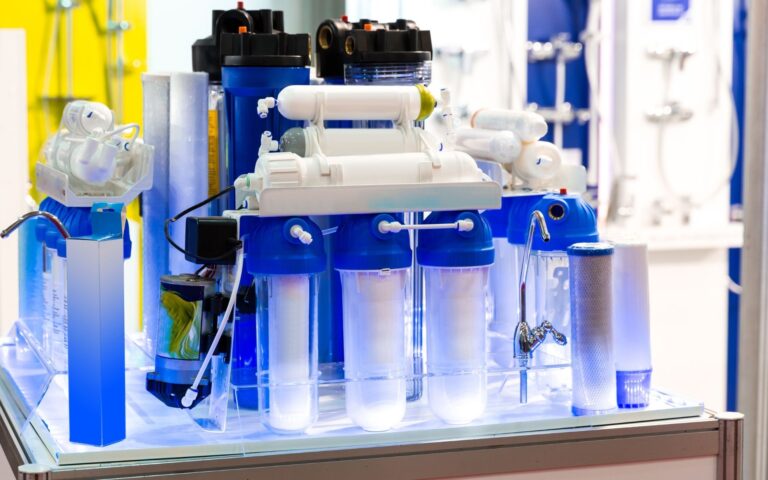
Ion-exchange softening sized to your hardness reading, for city and well supplies.

What 15 to 20+ grains per gallon is costing your plumbing, appliances and laundry.
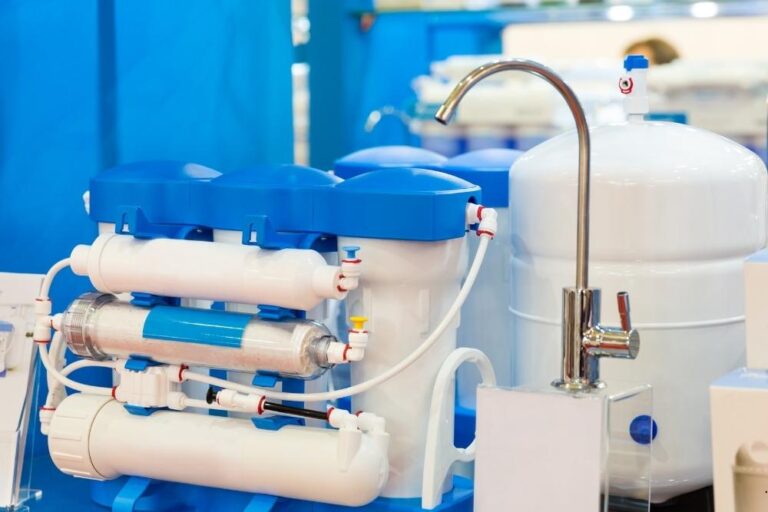
Carbon and sediment stages for chlorine, taste, odor and grit at every tap.
No, though it is very widely sold as one. Softening means removing hardness minerals from the water. A salt-free conditioner leaves them in and changes their form so they are less likely to form scale. Both are legitimate products. Only one of them is a softener.
Not in the way people mean by that phrase. The slick feel in the shower, the extra lather from soap, the softer towels and the end of spotted glassware all come from the minerals being removed. A conditioner does not remove them, so those changes do not happen.
Yes, and this is its real strength. By converting hardness into crystals that stay suspended, it substantially reduces the scale that would otherwise deposit inside pipes, water heaters and tankless units.
They work, but the harder the water the more the limitations show. In Hill Country supplies running 15 to 20+ grains per gallon we are usually clear with customers that a conditioner is a scale-control decision, not a soft-water decision.
No salt and no regeneration, but the media is not permanent. Expect replacement every three to six years, and expect it to need sediment pre-filtration in front of it, which has its own change interval.
Run a salt-based softener on potassium chloride instead of sodium chloride. It costs more per bag but it gives you genuine softening without adding sodium, which is usually a better answer than going salt-free.
Salt free conditioners and ion-exchange softeners solve overlapping problems in completely different ways, and the honest answer about which is right depends entirely on your water and what bothers you about it.
A softener removes hardness. A salt free conditioner does not. It changes how calcium and magnesium behave so they are less likely to stick as scale, but the minerals stay in the water.
That distinction has a practical consequence. After a salt free system, a hardness test still reads high. If someone tells you a salt free unit will make your water test soft, they are mistaken.
Salt free suits some households well. If your main complaint is scale in the kettle and on fixtures, and you would rather not handle salt or run a drain line, salt free is a reasonable choice.
Softening suits others better. If you want better lather, softer laundry, no spotting on glassware and the longest possible appliance life, ion exchange is the only method that delivers all of it.
Very hard water tilts the answer. At the 15 to 25 grains per gallon common here, salt free conditioning is working against a heavy mineral load, and most households notice less benefit than they expected.
Maintenance differs too. Salt free media typically needs replacing every few years and needs no salt or drain. A softener needs salt topped up and a drain connection, but its performance is measurable.
We fit both and have no commercial preference. We will test your water, tell you honestly what salt free will and will not do at your hardness, and let you decide.
| Salt free conditioner | Ion-exchange softener | |
|---|---|---|
| Removes hardness | No | Yes |
| Hardness test after | Still reads high | Reads near zero |
| Scale reduction | Yes, partial | Yes, complete |
| Better lather and laundry | Little change | Clear improvement |
| Needs salt | No | Yes |
| Needs a drain | No | Yes |
Does salt free really work? It reduces scale formation, which is real. It does not remove hardness, so expectations need to match the mechanism.
Which is better for very hard water? At 15 to 25 grains per gallon most households get more from ion exchange. Salt free performs better on moderately hard supplies.
Is softened water safe to drink? Yes. The sodium added is small and proportional to hardness. A reverse osmosis tap is available if you prefer.
Can I switch later? Yes, and we plan the plumbing so switching between salt free and softening later is straightforward.
Cost comparison is worth doing properly. Salt free units avoid salt and drain plumbing, so running costs are lower, but media replacement is a periodic expense and the benefit is narrower than salt free marketing usually implies.
Water heaters are the clearest test. On very hard supplies, tank elements scale noticeably faster than they do behind a softener, and salt free conditioning slows that rather than stopping it.
If you are unsure, start with the test. Knowing your grains per gallon turns the salt free question from a marketing argument into a straightforward decision about what you want from your water.
Check any of this against the primary sources:
Free on-site hardness test, a plain comparison of both technologies at your numbers, and no pressure either way.