
Hardness here commonly runs 15 to 20+ grains per gallon. We size, install and service ion-exchange softeners for city and well supplies, and we service every major brand, including systems we did not install.

Hard water is water carrying dissolved calcium and magnesium. A softener runs that water through a resin bed that swaps those minerals for sodium or potassium, then flushes itself out on a schedule. What leaves the tank is water that will not deposit scale.
The part that matters is the sizing. A softener that is too small regenerates constantly, burns salt and wears out early. One that is too large costs more than it needs to. Grain capacity comes from your hardness reading multiplied by household water use, which is why we test before we quote.

You do not need a lab to spot it. If three or more of these sound like your house, a hardness test is worth twenty minutes of your time.
White film and spots on dishes that come out of a hot dishwasher looking dirtier than they went in.
Chalky white buildup around faucet aerators, shower heads and the kettle element.
Scale insulates the heating element, so the unit works harder, costs more to run and fails years early.
Shampoo and detergent fight the minerals instead of the dirt, so you keep reaching for more.
Towels come out scratchy and colours go flat, because minerals stay locked in the fibres.
That tight, filmy feeling after a shower is mineral residue that rinsing will not shift.
Residential, commercial and industrial, new systems, replacements, and ongoing care for whatever you already own.
We test your supply, measure your household use and install a system sized to both. Bypass valves, drain lines and brine tank placement done properly the first time, by a licensed technician.
Scheduled salt delivery and a maintenance visit that checks resin condition, valve timing and regeneration settings, so the system keeps performing instead of quietly drifting.
Wells carry iron, sulfur and sediment alongside hardness, and iron will foul a softener resin bed fast. We stage pre-treatment ahead of the softener so it lasts.
Municipal water is treated for safety, not hardness. San Antonio supplies still deposit scale, so a softener earns its keep on city connections too.
You do not have to replace a working system to get it serviced, and calling us does not void anything. If the valve is failing, the resin is spent or the brine tank has bridged, we will tell you what it costs to fix before we talk about replacing it.
Rainsoft · Culligan · Rayne · Kinetico · DMS · Alamo · Lindsay · Sears · Aqua Master · General Electric · Bruner · Hague · Star · Water Boss · Montgomery Wards

Nobody should buy a water system from a brochure. Here is what actually happens.
We test what is coming out of your tap or your well, hardness in grains per gallon, iron, pH, odor, sediment, and look at your plumbing. About twenty minutes, no charge.
A written recommendation and a firm price based on your numbers and your household use. If a smaller unit does the job, we say so.
Installation by a licensed technician, then salt, filters, settings checks and 24/7 repair for as long as you own the system.
We are not a franchise and we are not a call centre. The person who tests your water works for the company that installs and services it.
Deep roots in San Antonio and the Hill Country, and customers who have been with us for decades.
Class III Water Treatment Specialists licensed by TCEQ and certified by the Water Quality Association.
We install and service all major brands, even if the system was not purchased from us.
A leaking or failed system does not wait for business hours. Neither do we.
From single-family homes to restaurants, salons and industrial facilities, sized to the load.
On-site testing and a written estimate cost nothing, with no obligation attached.
Softening handles hardness. It will not touch chlorine, taste, iron staining or dissolved solids, these do.
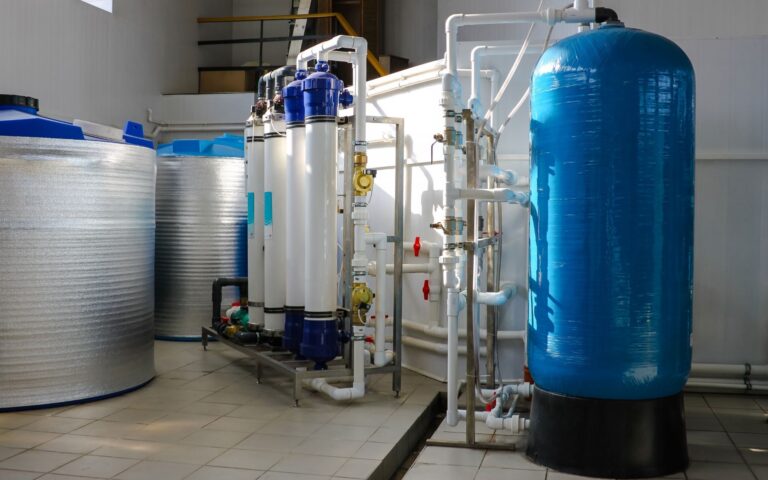
Carbon and sediment stages for chlorine, taste, odor and grit at every tap in the house.
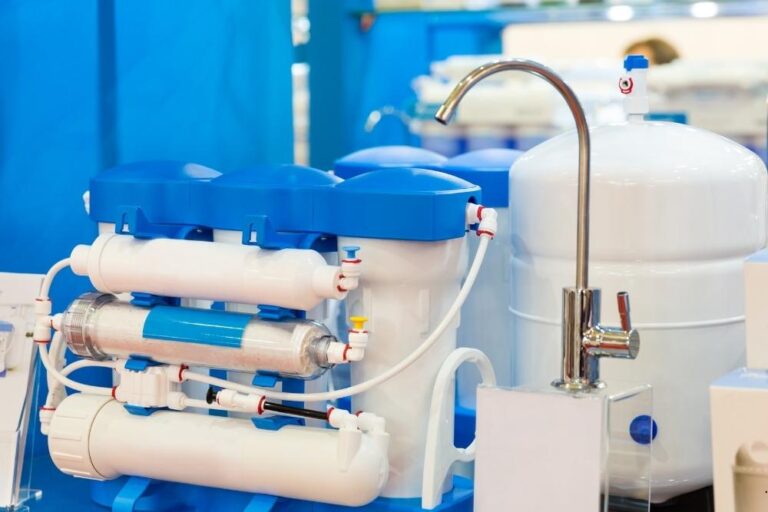
Under-sink RO for drinking and cooking water, removing the dissolved solids a softener leaves behind.
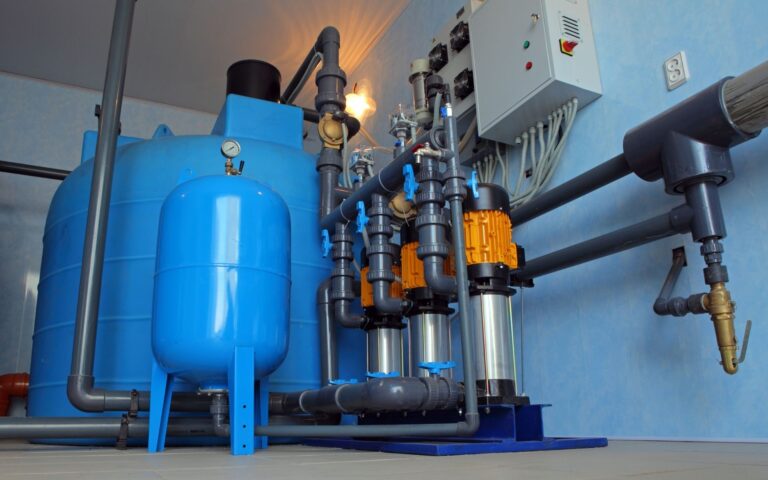
Iron, sulfur, sediment, bacteria and pH, the pre-treatment a well needs before the softener.
Most of the region runs between 15 and 20+ grains per gallon, which is classed as very hard. The limestone aquifers dissolve calcium and magnesium straight into the groundwater. Private wells are usually harder still, and add iron and sulfur on top.
Grain capacity is your hardness reading multiplied by the number of people in the house and their daily water use, with enough headroom that the unit is not regenerating every day. A typical Hill Country family home lands well above what a big-box unit is sized for. We work it out from your actual test rather than a rule of thumb.
Only a salt-based ion-exchange softener actually removes hardness minerals. Salt-free conditioners change how those minerals behave so they are less likely to stick, which helps with scale but will not give you the soap lather, softer laundry or skin feel of true softening. If sodium is a concern, potassium chloride is the usual answer rather than going salt-free.
Usually not. A softener removes hardness, but it will not handle iron staining, sulfur odor, sediment or bacteria, and iron will foul the resin bed quickly if it reaches the softener untreated. Wells normally need pre-treatment stages ahead of the softener. That is why we test first.
Yes, and it is a large part of what we do. We repair and maintain every major brand, including Rainsoft, Culligan, Rayne, Kinetico, DMS, Alamo, Lindsay, Sears, Aqua Master, General Electric, Bruner, Hague, Star, Water Boss and Montgomery Wards.
It depends on your hardness reading, your household size and whether you are on a well, which is why we will not quote a number before testing. What you will get is a firm written price after the test, and an honest answer if a smaller or simpler system will do the job.
Most homes here need water softeners. Water in San Antonio and the Texas Hill Country commonly runs 15 to 20+ grains per gallon, which sits well inside the very hard range. Water softeners use ion exchange to strip calcium and magnesium out of the supply before it reaches your water heater, fixtures and appliances.
Sizing matters more than brand. Correct sizing comes from a measured hardness reading and your household size, never a guess. Undersized water softeners regenerate constantly and waste salt. Oversized water softeners cost more than the house will ever need. We test on site for free and size to that number.
What water softeners cost depends on grain capacity, valve quality and whether the house needs pre-treatment first. On city water, most Hill Country homes land on 32,000 to 48,000 grain water softeners. Larger households on harder water go up from there.
Private wells change the order of work. Iron and sulfur usually have to be removed before the softener, because untreated iron fouls the resin bed inside water softeners and shortens their working life considerably. We test well water first, then design around what the test actually shows.
Salt-free conditioners are often pitched as alternatives to water softeners. They reduce scale but do not remove hardness minerals, so a hardness test still reads high afterwards. Both have a place. Which one suits your house depends on your water and what you want it to do.
Maintenance is modest. Keep the brine tank topped up, break up any salt bridge a few times a year, and have the resin and valve inspected periodically. Well-maintained water softeners run 10 to 15 years. We service and repair water softeners from every manufacturer, including units we did not install.
If you are comparing water softeners across companies, ask each one for the grain capacity quoted, the salt efficiency at that capacity, and exactly what the warranty covers on the valve and the tank. Those three numbers make competing water softeners genuinely comparable. Brand names on their own do not.
| System | What it does | Best for |
|---|---|---|
| Water softeners | Remove calcium and magnesium by ion exchange | Scale, spotting, appliance life |
| Salt-free conditioners | Alter scale crystals, hardness stays in the water | Low-maintenance scale control |
| Reverse osmosis | Strips dissolved solids at a single tap | Drinking and cooking water |
| Well water treatment | Removes iron, sulfur and sediment before softening | Private wells feeding water softeners |
In practice most Hill Country households end up pairing water softeners with a drinking water filter, and well owners pair water softeners with iron and sulfur removal ahead of the resin tank.
Sizing in practice is simple arithmetic. Multiply the people in the house by roughly 75 gallons of daily use, multiply that by your hardness in grains per gallon, and you have the grains removed per day. A system sized to regenerate every three to five days is usually the efficient middle ground.
A worked example helps. A family of four on 18 grain water uses about 300 gallons a day, which is 5,400 grains removed daily. A 32,000 grain unit regenerates roughly every five days at that load, which is why 32,000 and 48,000 grain water softeners cover most Hill Country homes. Harder water or a larger household moves you up a size rather than down.
One caution worth repeating. Grain capacity quoted at maximum salt dose is not the same as capacity at an efficient salt dose. Ask which figure you are being quoted, because two water softeners rated the same way can differ by a third in real running cost.
Free on-site test, free written estimate, and a straight answer about what you do and do not need, anywhere from San Antonio to Fredericksburg.