
Commercial water treatment is a different discipline from domestic work. Demand is higher, downtime is expensive, and the equipment has to be serviceable without stopping trade. We survey and meter first, then design commercial water treatment around how your business actually runs.
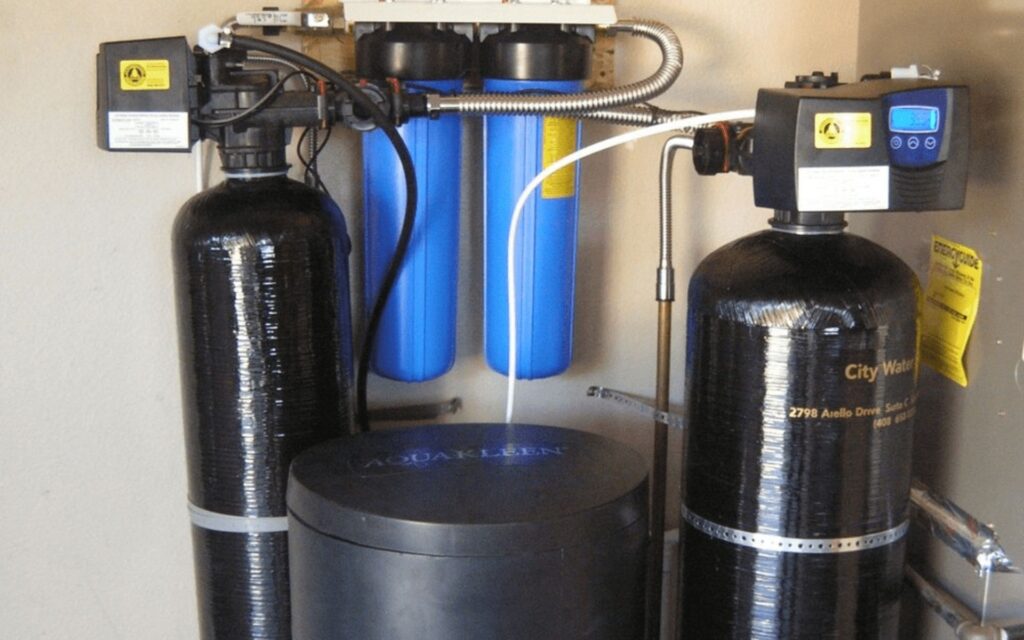
The chemistry is often the same as a house down the road. What changes is how much water goes through, how fast, and what happens when the supply stops. A residential softener asked to serve a busy restaurant will regenerate constantly, fall behind at peak, and fail early.
Sizing commercial treatment means starting from peak flow rate and daily volume, not from a bedroom count. It also means designing for continuity, twin-tank systems that keep producing while one side regenerates, so you never hit a service window with untreated water.
And it means planning maintenance around your trading hours rather than ours. A kitchen does not want an engineer arriving at midday Friday.
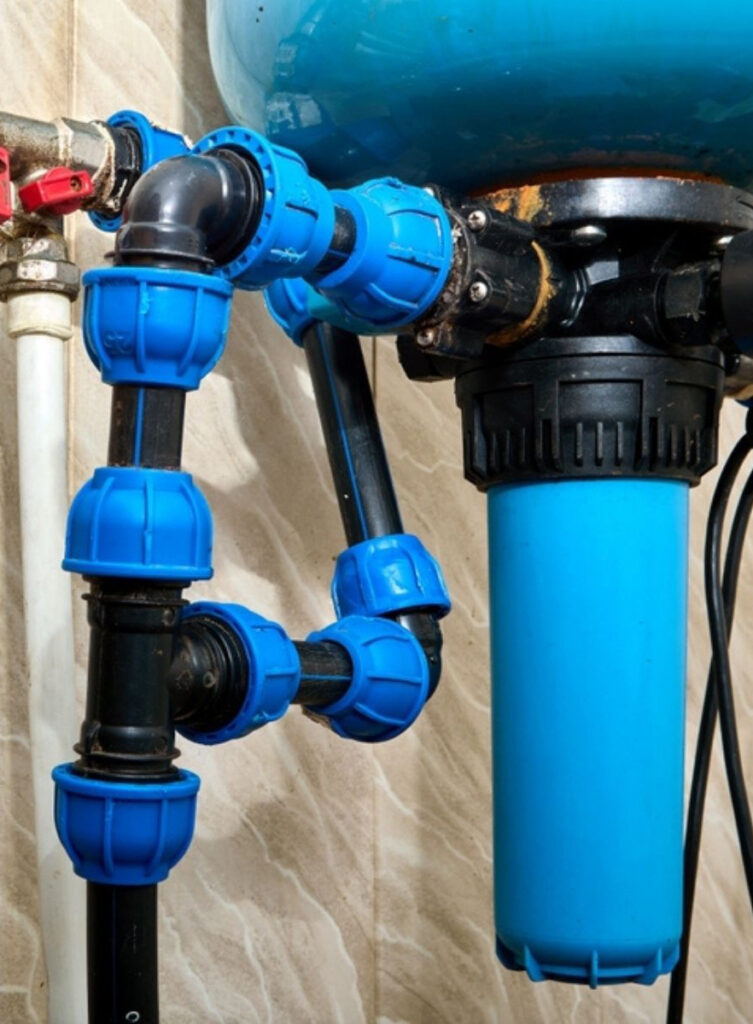
Different industries care about different things, but hard Hill Country water finds all of them eventually.
Scale destroys combi ovens, dishwashers, ice machines and espresso equipment, and hard water changes how coffee extracts. Treatment here pays for itself in equipment life alone.
Hard water fights colour, leaves residue in hair and shortens the life of every basin and boiler on site. Clients notice long before the equipment complains.
Spot-free rinsing depends on dissolved solids, which means RO at volume. Reclaim systems and softening upstream keep the running cost sane.
Detergent consumption, linen life and machine life all track hardness directly. This is one of the easiest returns on treatment to calculate.
Autoclaves, sterilisers and dental chairs all specify water quality, and falling outside it is a compliance problem rather than an inconvenience.
Boilers, cooling towers, rinse stages and product water each have their own spec. We design to the spec you have to hit.
From a single softener behind a coffee bar to a multi-stage treatment train on a production line.
We start from your peak flow, your daily volume and your water test, then design to it. Twin-tank and progressive-flow configurations where continuity matters.
Salt delivery, media and cartridge changes, valve servicing and performance checks on a schedule that fits around your trading hours.
Equipment does not fail politely. We are on call around the clock, and we service every major brand whether or not we installed it.
Where a specification has to be met, sterilisation, product water, boiler feed, we design to the number and verify it after installation.
A failed softener in a house is an annoyance. A failed softener behind a busy kitchen means a scaled combi oven, a dishwasher that stops passing inspection, and an ice machine down on a Saturday. The equipment bill is rarely the expensive part.
That is why we design for continuity rather than for the lowest possible purchase price, and why we would rather have a maintenance schedule in place than take the emergency call. Both are available. Only one of them is cheap.
Nobody should buy a water system from a brochure. Here is what actually happens.
We test what is coming out of your tap or your well, hardness in grains per gallon, iron, pH, odor, sediment, and look at your plumbing. About twenty minutes, no charge.
A written recommendation and a firm price based on your numbers and your household use. If a smaller unit does the job, we say so.
Installation by a licensed technician, then filters, settings checks and 24/7 repair for as long as you own the system.
We are not a franchise and we are not a call centre. The person who tests your water works for the company that installs and services it.
Deep roots in San Antonio and the Hill Country, and customers who have been with us for decades.
Class 3 certified by the Texas Water Commission and licensed by the Water Quality Association.
We install and service all major brands, even if the system was not purchased from us.
A leaking or failed system does not wait for business hours. Neither do we.
From single-family homes to restaurants, salons and industrial facilities, sized to the load.
On-site testing and a written estimate cost nothing, with no obligation attached.
Commercial treatment is the same technology, sized and configured differently.
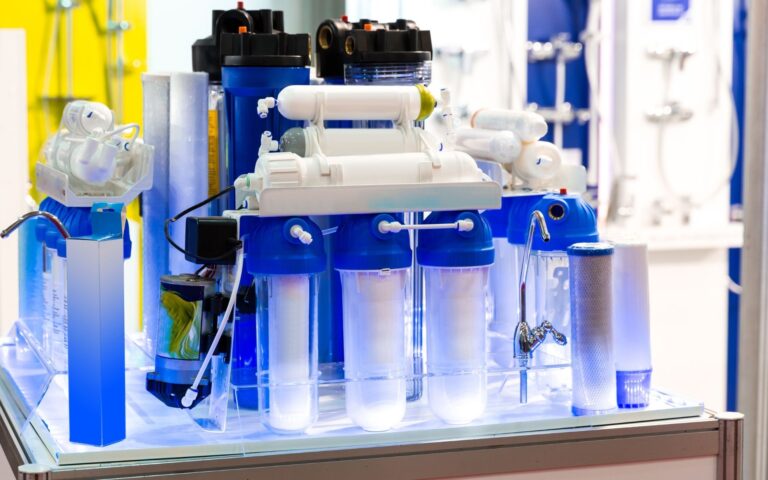
Ion-exchange softening sized to your hardness reading, for city and well supplies.
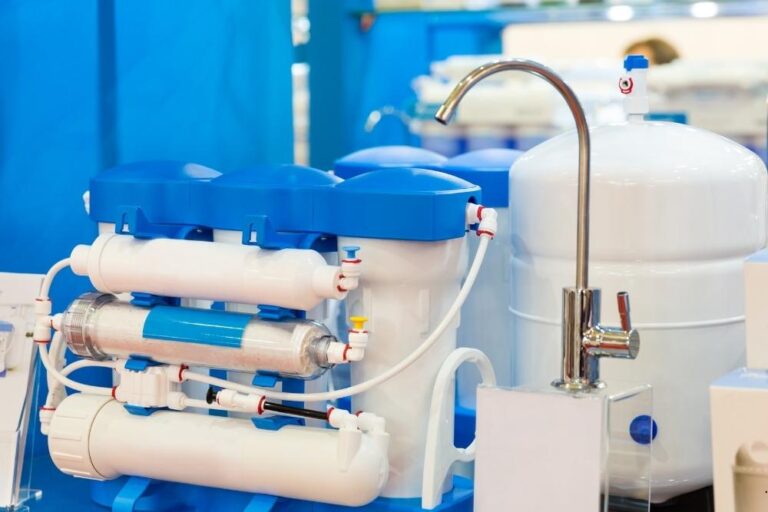
Carbon and sediment stages for chlorine, taste, odor and grit at every tap.
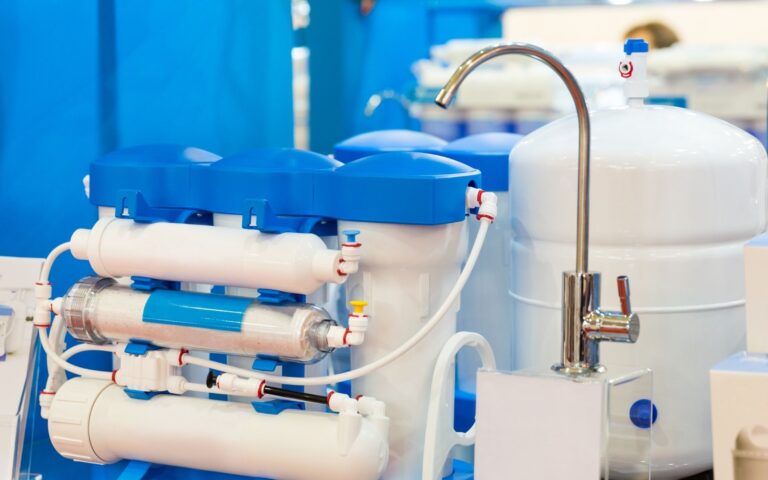
Free on-site testing for hardness, iron, pH and more, before anything gets quoted.
Mainly in sizing and continuity. Commercial systems are specified from peak flow rate and daily volume rather than household size, and they are often configured as twin tanks so one side keeps treating while the other regenerates. The underlying technology is the same.
Yes, and we prefer to. Maintenance visits are scheduled around trading hours as standard. Emergency call-outs obviously happen whenever the problem does, which is why we keep 24/7 availability.
Yes. We repair and maintain every major brand, and taking over service on an existing system is a large part of what we do commercially.
Yes. Tell us the specification, hardness, TDS, conductivity, whatever the equipment or the regulation requires, and we design the treatment train to meet it, then verify it after installation.
It scales with flow rate, volume and how many stages the water needs, so there is no useful ballpark. We test, we size from your actual duty cycle, and you get a firm written price.
Yes. Scheduled salt delivery, media and cartridge changes, valve servicing and performance checks, at intervals set by your usage rather than a generic calendar.
Commercial water treatment is sized by demand, not by building size. A busy salon can need more capacity than a small office block, so we meter actual usage before quoting anything.
Downtime is the real cost. Most businesses tolerate hard water for a week; almost none tolerate a shutdown, so commercial water treatment here is designed to be serviced without stopping production.
Twin-alternating systems are the usual answer. One vessel works while the other regenerates, so commercial water treatment keeps supplying soft water all day rather than pausing overnight like a domestic unit.
Restaurants and coffee shops care about scale and taste. Scale kills dishwashers, boilers and espresso machines, and commercial water treatment protects equipment worth far more than the system treating it.
Salons and spas care about consistency. Colour results shift with water chemistry, so commercial water treatment removes a variable from the service rather than adding one.
Car washes and laundries care about spotting and chemical cost. Softened water cuts detergent use noticeably, and that saving is usually what pays for commercial water treatment inside a couple of years.
Medical, dental and laboratory settings care about specification. There, commercial water treatment has to meet a written standard, and the documentation matters as much as the hardware.
We install, service and repair commercial water treatment across San Antonio and the Hill Country, including systems we did not supply, with 24/7 callout when a failure would stop trading.
| Sector | Main risk | What we usually fit |
|---|---|---|
| Restaurants and cafes | Scale in boilers and dishwashers | Twin-alternating softener plus RO for coffee |
| Salons and spas | Inconsistent colour results | Softening with carbon filtration |
| Car washes | Spotting and high chemical use | High-flow softening, sometimes RO rinse |
| Laundries | Detergent cost and linen life | High-capacity twin softening |
| Medical and dental | Written specification compliance | Softening plus RO with documentation |
| Light manufacturing | Scale in process equipment | Sized to process demand and duty cycle |
Will you have to shut us down to install? Rarely. Most commercial water treatment is installed around trading hours, and twin-alternating designs avoid any supply pause afterwards.
How is commercial water treatment sized? From metered demand and peak flow, not floor area. We measure first, because oversizing wastes money and undersizing fails at the worst moment.
Do you service other suppliers equipment? Yes. We maintain and repair commercial water treatment from every major manufacturer, including systems we did not install.
Is there a contract? Planned maintenance is optional. Plenty of customers use us purely on callout, and we are happy either way.
Budgeting is easier when the numbers are transparent. We quote commercial water treatment with the capacity, the salt or media cost per month, and the expected service interval written down, so finance can compare like with like.
Retrofits are common. Plenty of Hill Country businesses inherit commercial water treatment from a previous tenant, and the first useful step is testing what is there before deciding whether to repair, re-media or replace it.
Water changes over time. City supplies shift seasonally and wells shift after drought or heavy rain, so commercial water treatment is worth retesting annually rather than assuming the original design still fits.
Check any of this against the primary sources:
Free on-site testing and assessment for commercial premises across San Antonio and the Hill Country, with a written specification and price.