
Water treatment is not one product. It is a short sequence of decisions about hardness, taste, odor and anything the water is carrying. We test first, then recommend the smallest water treatment that actually solves what is wrong.
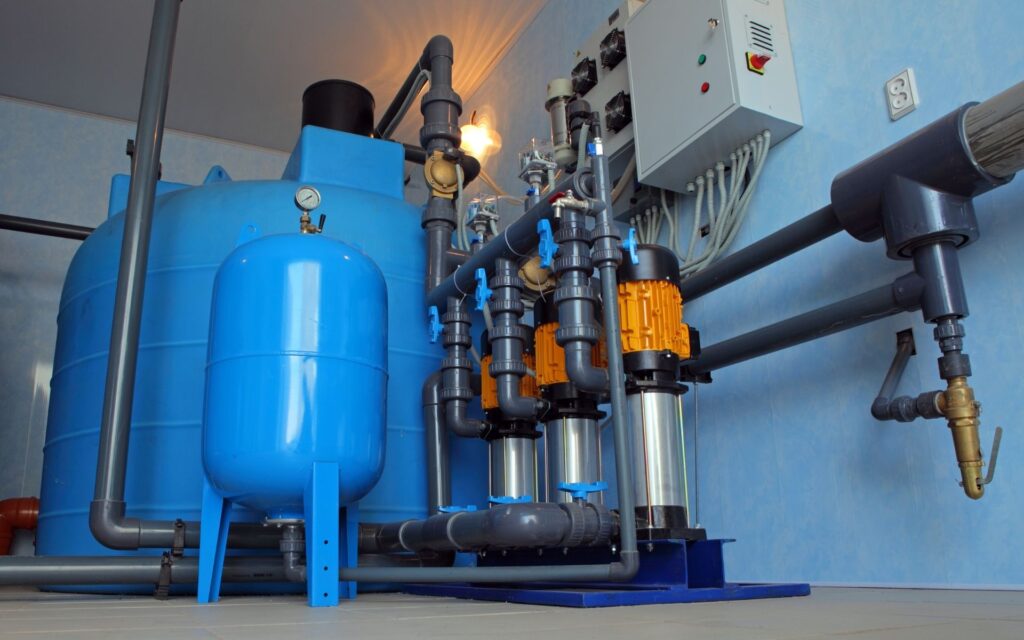
Most people arrive knowing the symptom rather than the cause. These are the routes from one to the other.

What 15 to 20+ grains per gallon is costing your plumbing, appliances and laundry.
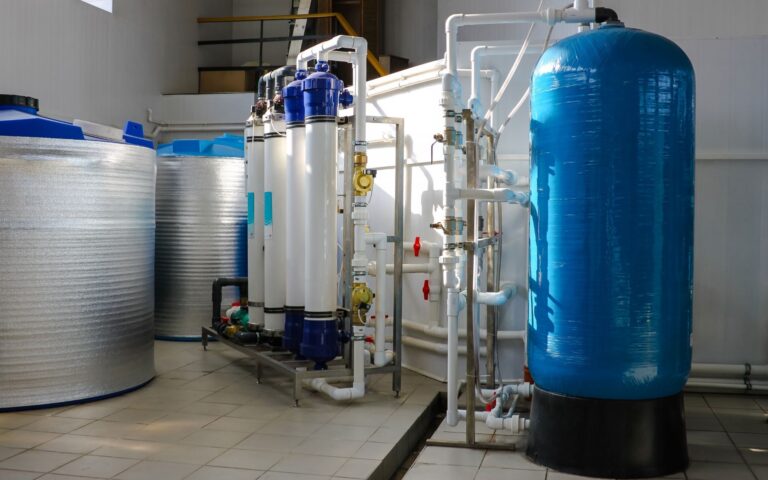
Carbon and sediment stages for chlorine, taste, odor and grit at every tap.
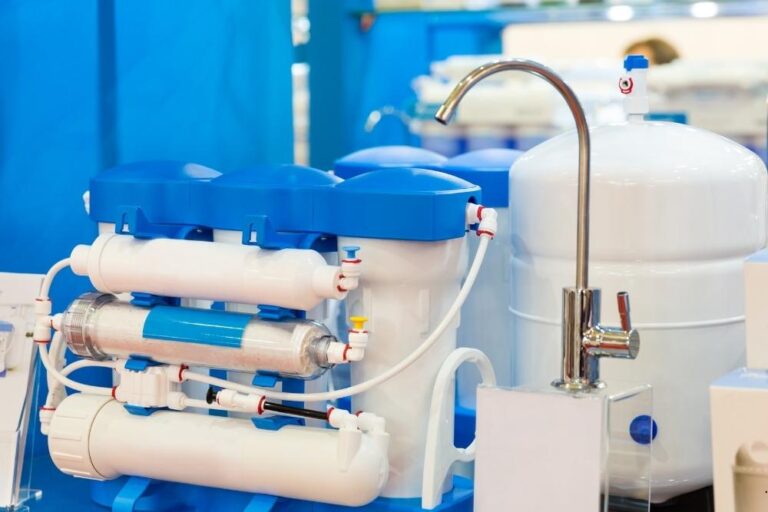
Under-sink RO for drinking and cooking water, removing the dissolved solids filtration leaves behind.
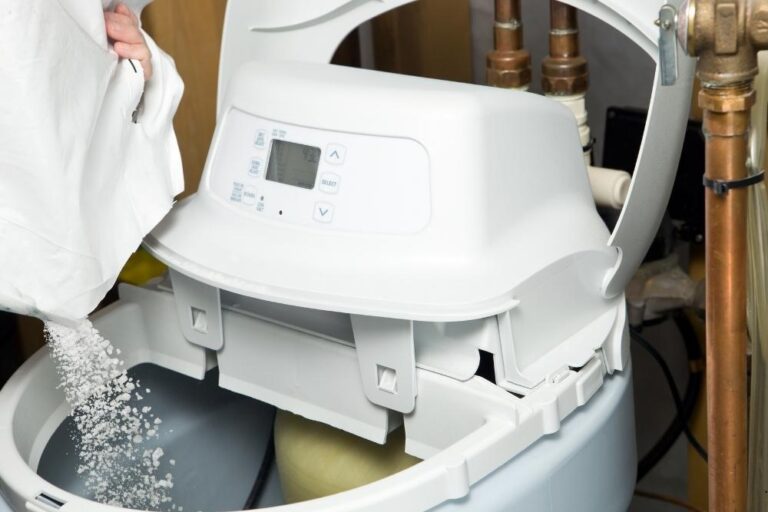
What a salt-free system actually does, and the cases where we recommend one.
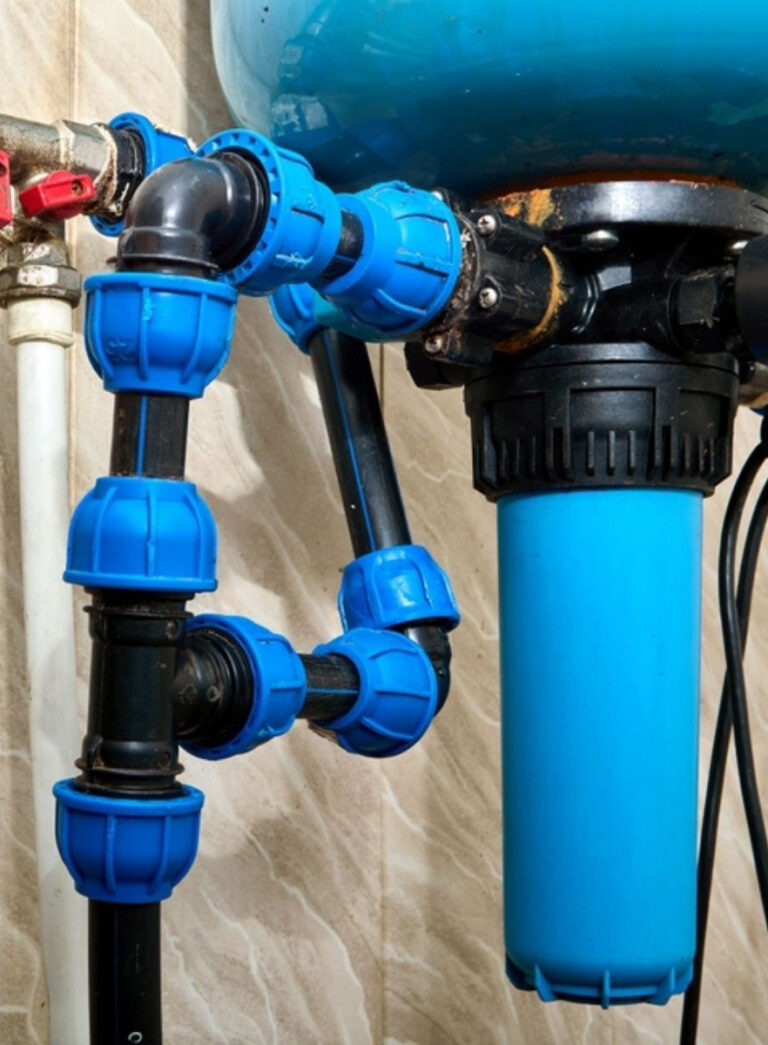
How the stages combine into one system, and why the order matters.
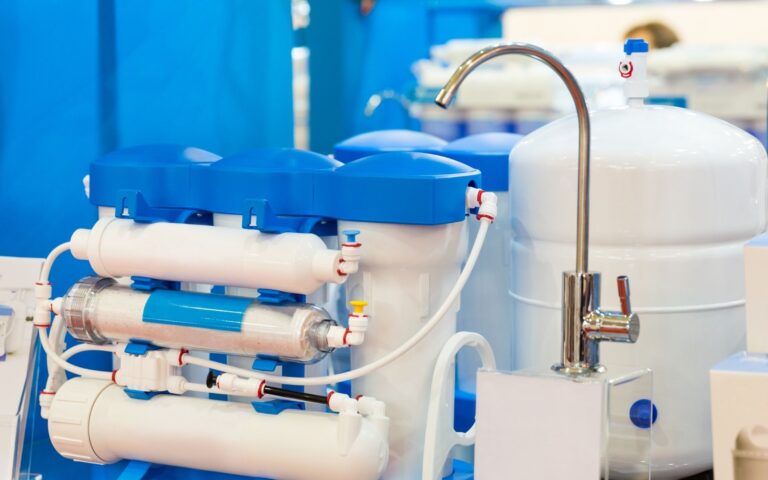
Free on-site testing for hardness, iron, pH and more, before anything gets quoted.
A well arrives untreated. That changes both what is needed and the order it has to go in.
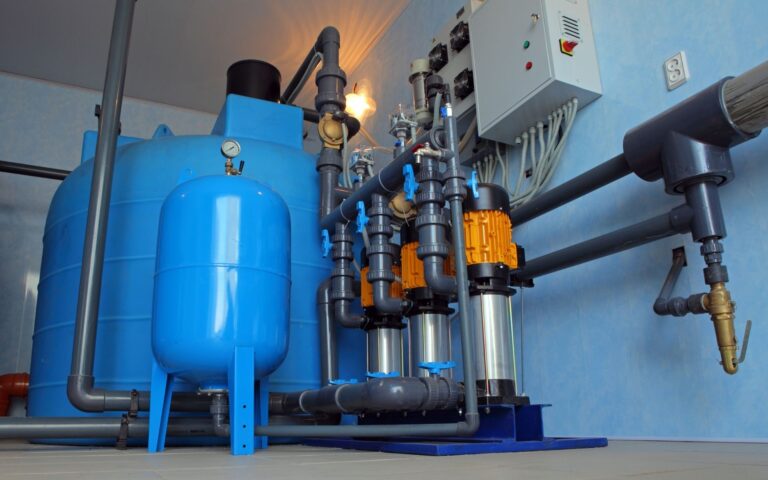
Iron, sulfur, sediment, bacteria and pH, the pre-treatment a well needs.

Media, stages and sizing for iron, manganese, sulfur and sediment on a private well.
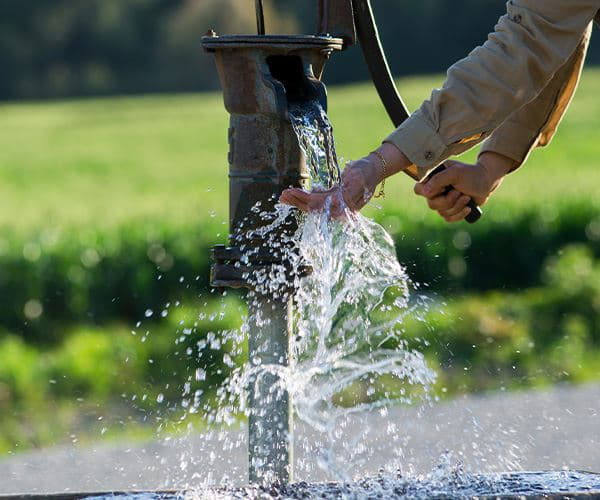
Why softening a well is different, and what has to happen before the softener.
Annual testing, bacteria panels and the checks worth running after a flood.

Annual service, media replacement, UV lamps and emergency repair for well systems.
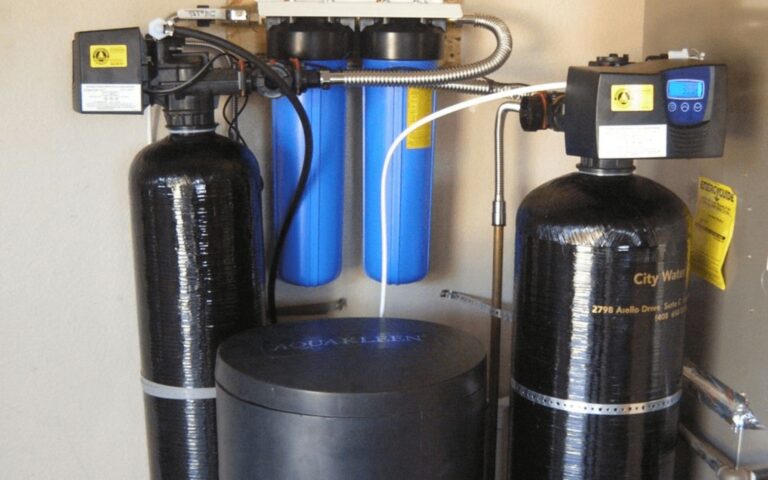
Capacity-sized treatment for restaurants, salons, car washes and manufacturing.
Sediment first, because grit damages everything behind it. Iron, manganese and sulfur next, because all three will foul softener resin and blind a reverse osmosis membrane. pH correction alongside those on acidic water. Then softening. Then carbon. Ultraviolet last, on a well, because a lamp cannot disinfect water it cannot see through. Reverse osmosis at the drinking tap, at the very end.
Almost every underperforming system we are called out to look at is decent equipment in the wrong order, or sized for a number nobody measured. Both are usually fixable without replacing everything, and we will say so when that is the case.
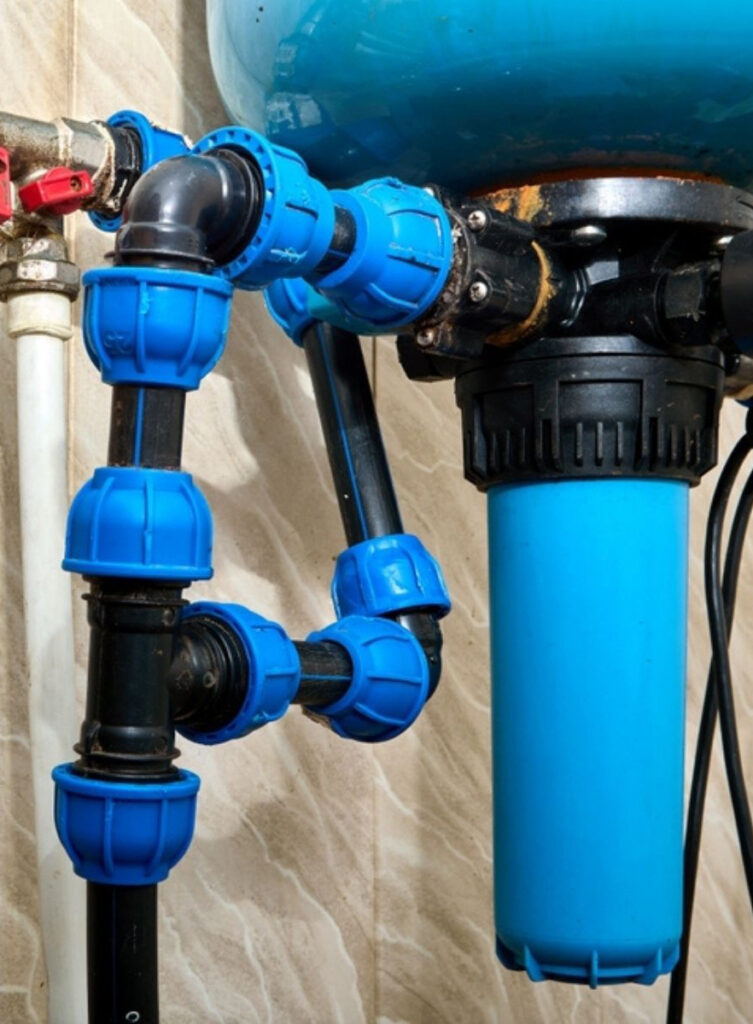
Nobody should buy a water system from a brochure. Here is what actually happens.
We test what is coming out of your tap or your well, hardness in grains per gallon, iron, pH, odor, sediment, and look at your plumbing. About twenty minutes, no charge.
A written recommendation and a firm price based on your numbers and your household use. If a smaller unit does the job, we say so.
Installation by a licensed technician, then filters, settings checks and 24/7 repair for as long as you own the system.
We are not a franchise and we are not a call centre. The person who tests your water works for the company that installs and services it.
Deep roots in San Antonio and the Hill Country, and customers who have been with us for decades.
Class 3 certified by the Texas Water Commission and licensed by the Water Quality Association.
We install and service all major brands, even if the system was not purchased from us.
A leaking or failed system does not wait for business hours. Neither do we.
From single-family homes to restaurants, salons and industrial facilities, sized to the load.
On-site testing and a written estimate cost nothing, with no obligation attached.
Softening removes dissolved hardness minerals by ion exchange. Filtration removes particulate, chlorine, iron and odor compounds using media. Reverse osmosis pushes water through a membrane that rejects dissolved solids. They solve different problems and most homes use more than one.
It depends on the test. A house on the San Antonio city supply often needs softening and a carbon stage and nothing more. A well can need five or six stages. We build what the numbers justify.
Frequently, yes. A lot of what we see is decent equipment installed in the wrong sequence or sized for the wrong load, and re-plumbing or resizing is usually cheaper than replacing.
A free on-site test. Twenty minutes, at your property, covering hardness, iron, manganese, pH, sulfur, sediment and dissolved solids, with the results explained in writing.
Softening and filtration deal with comfort, appearance and equipment protection rather than safety. On a private well, safety is a separate question answered by a laboratory bacteria test, and by ultraviolet disinfection if it is warranted.
Properly sized, protected and serviced, softener resin runs ten years or more and media beds three to eight depending on type. Neglected or badly sequenced, the same equipment can be finished in two or three.
Good water treatment starts with a test rather than a catalogue. The right answer for a San Antonio townhouse on city water is not the right answer for a Bandera property on a private well.
Hardness is the near-universal issue here. At 15 to 25 grains per gallon, softening is part of most water treatment plans in this region, and it is the change households notice first.
Taste and odor are separate problems. Chlorine on city supplies and hydrogen sulfide on wells both need filtration, because no amount of softening touches either of them.
Wells add a sequencing rule. Iron and sediment must come out before the softener, so water treatment on a well is a train of stages rather than a single appliance.
Drinking water is often handled separately. A reverse osmosis tap treats the water you drink and cook with, which is a cheaper and more targeted answer than trying to polish the whole house.
Budget shapes phasing, not quality. Plenty of households stage their water treatment, starting with the stage that fixes the daily annoyance and adding the rest later, and that is a perfectly sensible way to do it.
Maintenance should be part of the decision. Water treatment you cannot service is water treatment you will eventually switch off, so we favour equipment a homeowner can actually keep running.
We install and service every category of water treatment across San Antonio and the Hill Country, on any brand, including systems we did not supply.
| What bothers you | Likely cause | Water treatment that fixes it |
|---|---|---|
| Scale and poor lather | Hardness | Ion-exchange softener |
| Pool smell or flat taste | Chlorine | Whole-house carbon filtration |
| Orange staining | Iron | Iron filter ahead of the softener |
| Rotten egg smell | Hydrogen sulfide | Aeration or catalytic carbon |
| Grit in aerators | Sediment | Depth or spin-down pre-filter |
| Flat drinking water | Dissolved solids | Reverse osmosis at the tap |
Where should I start? With a test. Every sensible water treatment decision follows from knowing your hardness and what else is in the water.
Do I need everything at once? No. Staged water treatment is common and works well, provided the plumbing is planned for what comes later.
Is a softener enough on its own? On city water, often yes. On a well, softening alone usually leaves iron, sulfur or sediment untreated.
Do you service other brands? Yes, all of them, including water treatment we did not install.
Check any of this against the primary sources:
Free on-site test, a written stage-by-stage recommendation, and a firm price with no obligation.