
Canyon Lake is well country. Most properties around the lake draw their own water, and Trinity aquifer wells here routinely bring iron, sulfur and hardness in the same glass.

Properties around Canyon Lake are largely on private wells drawing from the Trinity aquifer. That water has had nothing done to it: no filtration, no disinfection, no treatment of any kind before it reaches the pressure tank.
What comes with it varies well by well, but the pattern is familiar. Hardness above what a city supply would deliver. Iron staining fixtures and laundry orange. Frequently sulfur, which announces itself as a rotten-egg smell that gets worse in hot water. Sediment that quietly wrecks valves.
And bacteria, which is the one nobody can detect without a laboratory. Wells around a lake and along a river corridor are exposed to surface water during heavy rain, and Hill Country storms deliver a great deal of it very quickly.
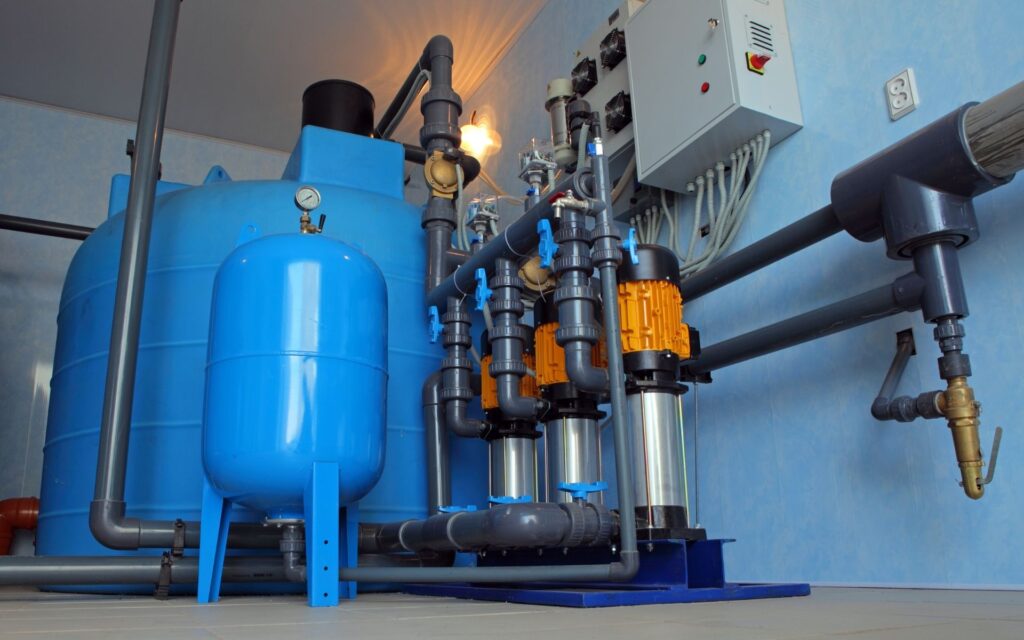
Well work dominates around the lake, but everything we do is available in the area.
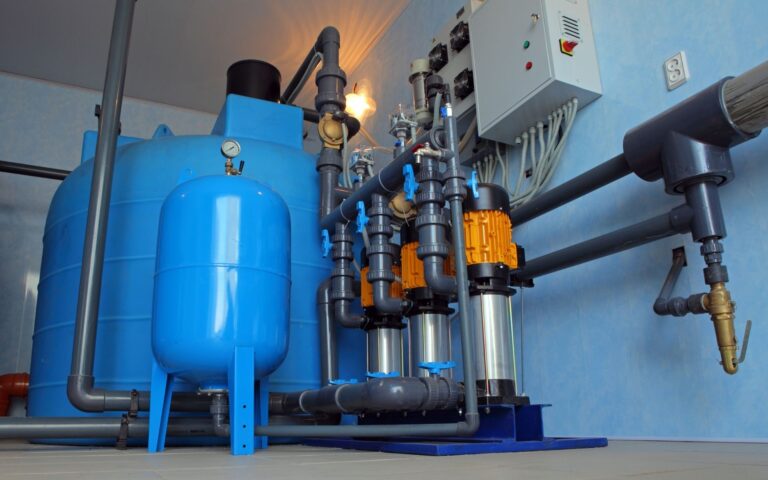
Iron, sulfur, sediment, bacteria and pH, the pre-treatment a well needs.

Media, stages and sizing for iron, manganese, sulfur and sediment on a private well.

Annual testing, bacteria panels and the checks worth running after a flood.
Surface water reaching a well casing is the most common route for bacteria to get in, and heavy rain across the Canyon Lake and Guadalupe corridor produces exactly those conditions. Nothing about the water will tell you it has happened. Coliform has no taste, no smell and no colour.
A test after a significant storm costs you twenty minutes. If it comes back positive, shock chlorination and a retest usually settles it, and recurring positives point at a casing or drainage problem worth fixing properly.

We have been testing and treating water in this part of Texas since 1989, and we answer the phone ourselves.
Family-owned, locally operated, and still on the same phone number after thirty-six years.
Class 3 certified by the Texas Water Commission and licensed by the Water Quality Association.
Rainsoft, Culligan, Rayne, Kinetico, Hague, Sears, General Electric and more, whoever installed it.
A failed system does not wait for business hours, and neither do we.
We test at your property, explain the numbers and put the recommendation in writing, at no charge.
Capacity and stages chosen from your test result, not from a regional average or a catalogue page.
If you are close to Canyon Lake and not listed, call anyway. We probably cover you.
City and well supplies across Comal County.
Kendall County, Trinity aquifer, fast-growing and hard.
The whole region, and how we cover it.
Yes, and on a private well it is usually harder than a municipal supply because nothing has been done to reduce it. The Hill Country commonly runs 15 to 20+ grains per gallon and wells often test above that.
Hydrogen sulfide, which is common in Trinity aquifer wells and worse in hot water. It needs oxidation or specialist media rather than a carbon filter, which will hold it briefly and then stop.
Iron. Above roughly 0.3 parts per million it stains toilets, tubs and laundry, and it will foul softener resin if it reaches the softener untreated.
Yes, without exception. Surface water carrying bacteria reaching the casing is the most common contamination route, and nothing about the taste or appearance of the water will reveal it.
Usually not. A softener removes hardness and nothing else. Iron, sulfur, sediment and bacteria each need their own stage, and several of them will damage the softener if they are not handled first.
Yes, along with Spring Branch, Bulverde and the rest of the Canyon Lake area. Free on-site testing throughout.
Canyon Lake sits in limestone country, and the water reflects it. Hardness here typically runs from the mid teens upward in grains per gallon, which is very hard on every published scale.
What makes Canyon Lake distinctive is the proportion of homes on private wells rather than a municipal supply. Around the lake, well water is the normal case rather than the exception.
Canyon Lake well water commonly carries iron. It stains basins, laundry and fixtures a rusty orange, and because it fouls softener resin it has to be removed before the softener, not after.
Hydrogen sulfide is the other frequent finding. It produces the rotten egg smell, it is a dissolved gas, and softening does nothing to it. Aeration or catalytic carbon is what removes it.
Sediment is strongly seasonal here. After heavy rain wells around Canyon Lake often pull fine grit and clay for several days, so a sediment stage at the front protects everything behind it.
Sequence matters more than brand. Sediment first, then iron and sulfur, then softening, then disinfection if bacteria are present. Softening ahead of iron removal is the costly mistake we see most.
Bacteria testing deserves attention around the lake. A positive coliform result usually points to the wellhead rather than the aquifer, so we inspect cap, casing and surface drainage before recommending UV.
Weekend and vacation properties have their own pattern. A house that sits empty then fills for a weekend puts spiky demand on equipment, and softeners sized for steady occupancy struggle with it.
Water left standing in an empty property also goes stale, so we advise flushing through before a stay and servicing UV lamps on schedule regardless of how often the house is used.
Distance and terrain make reliability matter. A failed system around Canyon Lake is not a next-week problem, which is why we run 24/7 emergency repair on any brand.
We have covered Canyon Lake, Startzville, Sattler and the surrounding Comal County area since 1989, and we service equipment we did not install as readily as our own.
Testing is free and carries no obligation. Plenty of Canyon Lake visits end with us confirming the water is fine and recommending nothing at all.
| Canyon Lake symptom | Likely cause | Usual fix |
|---|---|---|
| Orange staining | Iron in the well water | Oxidising iron filter before the softener |
| Rotten egg smell | Hydrogen sulfide gas | Aeration or catalytic carbon |
| Black specks | Manganese | Manganese-rated filtration media |
| Scale and poor lather | Hardness, mid teens and up | Correctly sized ion-exchange softener |
| Cloudy after rain | Surface water reaching the well | Sediment filtration plus wellhead check |
| Positive bacteria test | Contamination at the wellhead | Shock chlorination then UV |
Are most Canyon Lake homes on wells? A high proportion are, which is why testing matters here more than in a suburb on a municipal supply.
Why does our water smell after heavy rain? Usually sediment and surface influence reaching the well. It is worth testing for bacteria as well as adding sediment filtration.
Our vacation house softener struggles. Why? Spiky weekend demand on a unit sized for steady use. Capacity should reflect peak occupancy, not average.
Do you cover Startzville and Sattler? Yes, along with the wider Canyon Lake and Comal County area, with 24/7 callout.
Check any of this against the primary sources:
Free on-site well testing around Canyon Lake, Startzville, Sattler, Fischer and Spring Branch.