
Softening and filtration clean up the water running through your house. Reverse osmosis is what you put at the kitchen sink when you want the water you actually drink and cook with to be as clean as it gets.
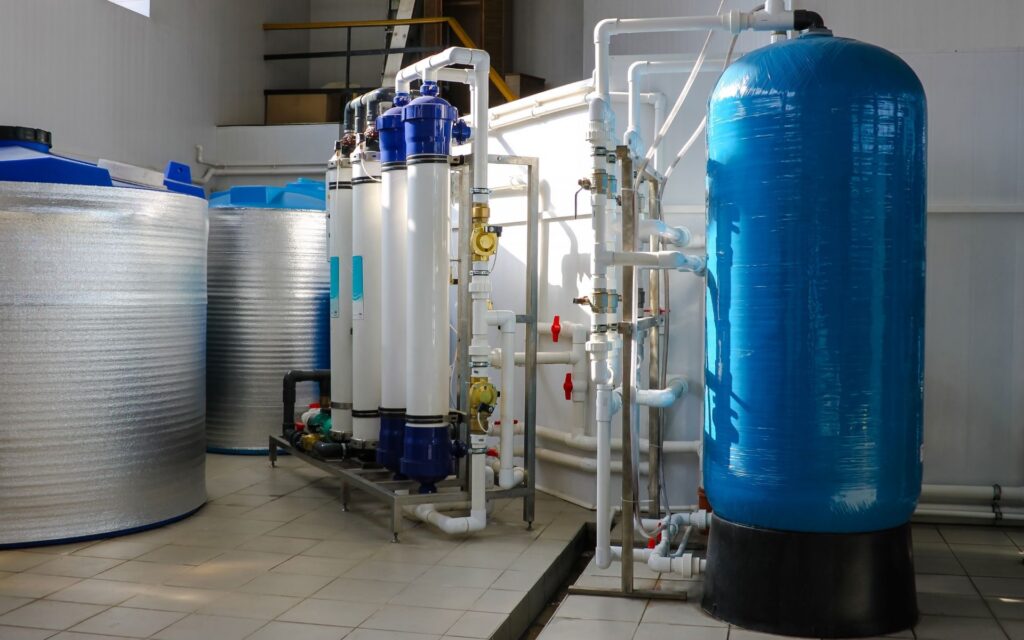
An RO membrane has openings small enough that water molecules pass and most of what is dissolved in them does not. Pressure pushes the water through, the rejected material goes to the drain, and what comes out of the dedicated tap is water with the dissolved solids stripped out.
That is a different job from every other stage in the house. A softener removes hardness minerals. Carbon adsorbs chlorine and taste compounds. Neither one touches dissolved solids, nitrates, lead or the sodium a softener adds. RO does.
It is also why RO belongs at a tap rather than at the main line for most homes. You do not need dissolved-solids-free water to flush a toilet, and treating the whole house to that standard costs far more than treating the two litres a day you drink.
Almost nobody calls us about reverse osmosis in the abstract. They call because of one of these.
Flat, metallic or mineral-heavy tap water is usually dissolved solids. RO is the stage that removes them, and the difference is immediate.
A household getting through cases of bottled water every week is paying far more per litre than an RO system costs to run.
Dissolved minerals change how coffee extracts and how stock and bread turn out. Serious cooks notice the difference before anyone else does.
Formula mixed with high-nitrate or high-mineral water is a common reason parents want the drinking supply handled properly.
Softening trades hardness for a small amount of sodium. Anyone watching their intake usually wants RO on the drinking tap.
Ice that comes out white and cracks apart is mineral-heavy. RO ice is clear and it does not carry a taste into the drink.
Sized to the household, installed properly, and maintained so it keeps producing rather than quietly slowing down.
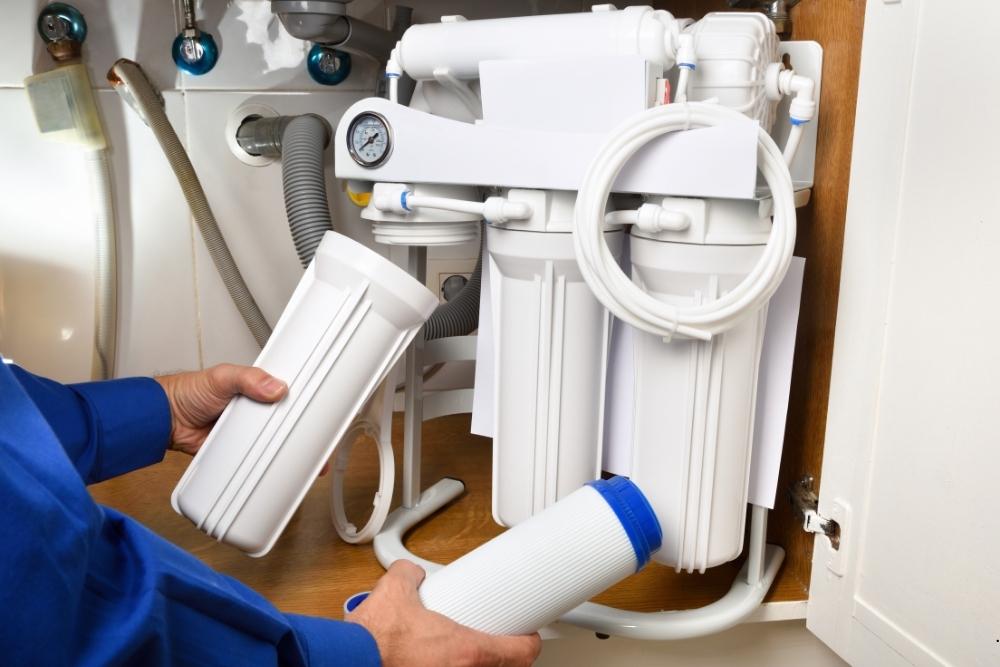
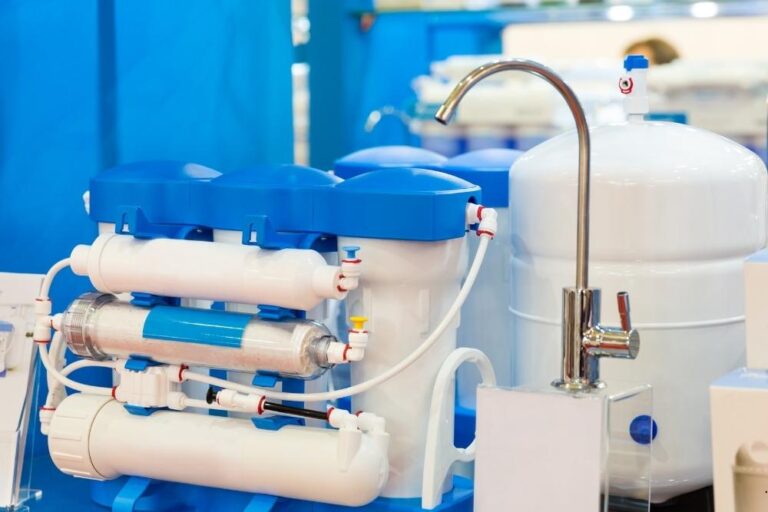
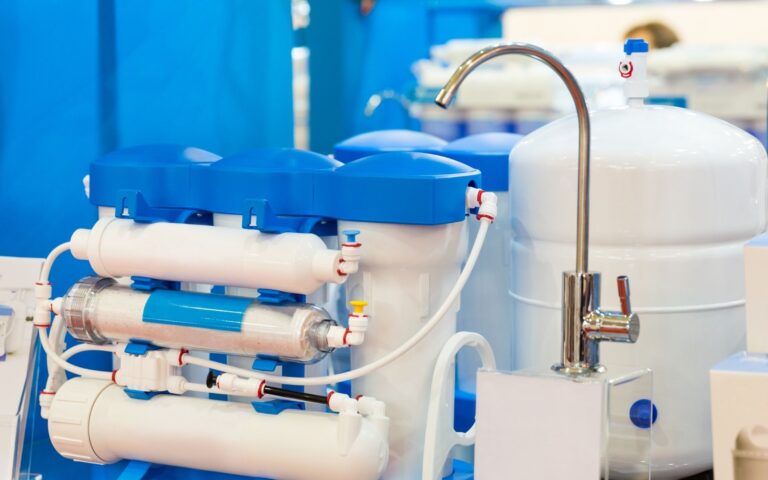
A multi-stage system in the cabinet with its own tap on the sink. Sediment and carbon pre-filters, the membrane, then a polishing filter on the way out.
We run the RO line to the refrigerator at the same time, so drinking water, ice and the door dispenser all come off the treated supply.
RO strips the good minerals along with the bad, which some people taste as flat. A remineralising stage puts a measured amount of calcium and magnesium back.
Pre-filters run six to twelve months, membranes two to five years. We track yours and change them before output drops or taste comes back.
An RO membrane is the most expensive consumable in the house and the easiest one to ruin. Hardness scales it. Chlorine chemically attacks the membrane material. Sediment blinds it. Iron coats it.
Every one of those is handled by a stage that costs a fraction of what a membrane does. Put them upstream in the right order and a membrane lasts years. Put an RO under the sink of an untreated Hill Country home and you will be buying membranes annually and wondering why.
Nobody should buy a water system from a brochure. Here is what actually happens.
We test what is coming out of your tap or your well, hardness in grains per gallon, iron, pH, odor, sediment, and look at your plumbing. About twenty minutes, no charge.
A written recommendation and a firm price based on your numbers and your household use. If a smaller unit does the job, we say so.
Installation by a licensed technician, then filters, settings checks and 24/7 repair for as long as you own the system.
We are not a franchise and we are not a call centre. The person who tests your water works for the company that installs and services it.
Deep roots in San Antonio and the Hill Country, and customers who have been with us for decades.
Class 3 certified by the Texas Water Commission and licensed by the Water Quality Association.
We install and service all major brands, even if the system was not purchased from us.
A leaking or failed system does not wait for business hours. Neither do we.
From single-family homes to restaurants, salons and industrial facilities, sized to the load.
On-site testing and a written estimate cost nothing, with no obligation attached.
What sits upstream determines how long your membrane lasts and how good the water tastes.
Ion-exchange softening sized to your hardness reading, for city and well supplies.
Carbon and sediment stages for chlorine, taste, odor and grit at every tap.
Free on-site testing for hardness, iron, pH and more, before anything gets quoted.
It sends some water to the drain to carry away what the membrane rejects. Older systems ran around four litres to drain per litre produced. Modern permeate-pump and high-efficiency systems are far better than that, and for a household drinking a few litres a day the total is small, less than a single toilet flush per day in most homes.
It removes dissolved minerals along with everything else, yes. The nutritional contribution of tap water minerals is small compared with food, but some people prefer the taste of water with them, which is what a remineralisation stage is for. We fit one whenever a customer wants it.
Yes, for a different reason. RO treats one tap. A softener treats the whole house, the water heater, the dishwasher, the shower, the laundry. And without softening upstream, hardness scales the RO membrane and shortens its life considerably.
Typically two to five years, depending on what reaches it. Pre-filters need changing every six to twelve months, and neglecting those is the fastest way to kill a membrane early.
Yes, and we usually do. It means the ice maker and the door dispenser both run off treated water, which is where most people notice the difference first.
Less than most people expect, and considerably less than an ongoing bottled water habit. The price depends on the stages and whether we are running lines to a fridge, so you will get a firm written figure after we have looked at the cabinet and tested the supply.
Reverse osmosis is a drinking water solution, not a whole-house one. It treats the water at one tap, usually the kitchen sink, and it is the most thorough filtration available to a household.
It works by pushing water through a membrane fine enough to hold back dissolved solids. What comes out the other side of a reverse osmosis system is water with most of its mineral content removed.
That is why reverse osmosis is the answer for taste. Hill Country water is heavy in dissolved minerals, and even after softening it can taste flat or slightly salty. Reverse osmosis is what fixes that.
On a private well, reverse osmosis has a second job. It is the final barrier for nitrates and other dissolved contaminants that filtration and softening upstream do not remove.
A softener usually comes first. Reverse osmosis membranes last considerably longer on softened water, so on hard Hill Country supplies the two are complementary rather than competing.
The waste water question comes up constantly. Older units sent several gallons to drain for every gallon produced. Modern reverse osmosis is far better on that ratio, and we will tell you the real figure for the unit we quote.
Maintenance is simple and predictable. Pre-filters and post-filters change annually, and the membrane itself typically lasts three to five years depending on the water feeding it.
Remineralisation is optional. Some households prefer a stage that adds a little calcium and magnesium back for taste. We fit reverse osmosis both ways and have no strong commercial preference.
| Stage | What it does | Replacement interval |
|---|---|---|
| Sediment pre-filter | Protects the membrane from grit | About 12 months |
| Carbon pre-filter | Removes chlorine that would damage the membrane | About 12 months |
| Reverse osmosis membrane | Removes dissolved solids | Three to five years |
| Storage tank | Holds treated water ready at the tap | Rarely, inspect periodically |
| Carbon post-filter | Final polish on taste | About 12 months |
| Remineralisation | Adds back a little calcium and magnesium | Optional, about 12 months |
Does reverse osmosis waste water? Some goes to drain by design. Modern reverse osmosis is far more efficient than older units, and we quote the actual ratio rather than a marketing figure.
Does it remove minerals my body needs? It removes most dissolved minerals. Diet is where those normally come from, and a remineralisation stage is available if you prefer the taste.
Do I still need a softener? Usually yes. Reverse osmosis treats one tap; a softener protects the whole house, and it extends membrane life considerably.
Can it feed the fridge? Yes. We routinely run a reverse osmosis line to fridge and ice-maker connections.
Check any of this against the primary sources:
Free on-site test, free written estimate, and an honest answer about whether RO is the right stage for what is bothering you.