
Softening handles hardness. Filtration handles everything else, chlorine, sediment, taste, odor and the staining that comes with a well. We design, install and service both.
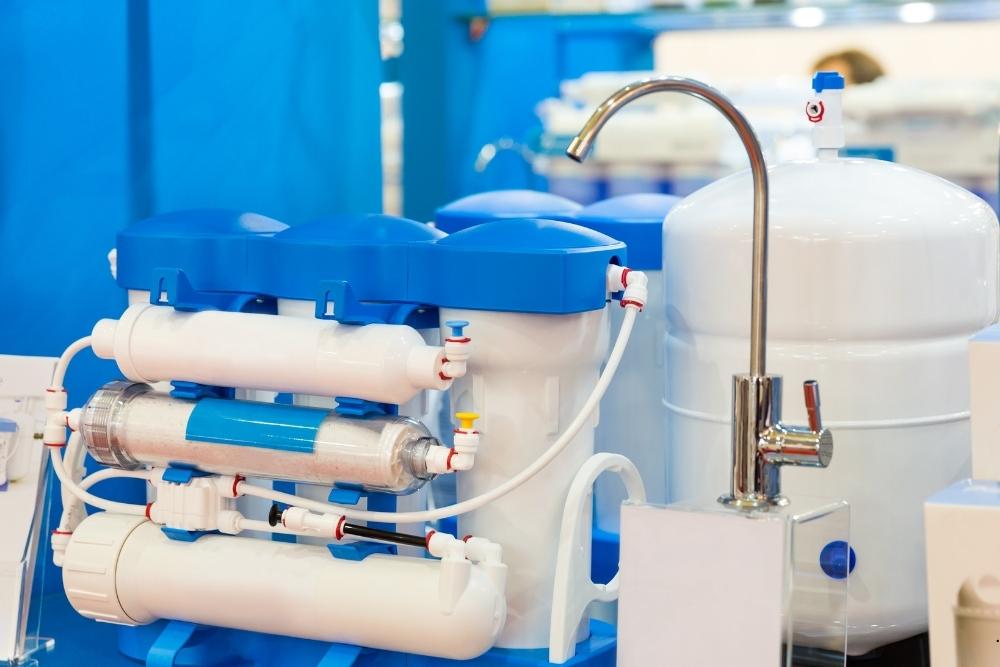
A softener swaps calcium and magnesium out of the water. It does nothing about chlorine, nothing about the taste of the tap, nothing about the fine grit that chews through valves, and nothing about the iron that leaves orange rings in a toilet.
Filtration is the other half of the system. Sediment stages catch the physical material, carbon stages adsorb chlorine, chloramine and the compounds behind bad taste and smell, and specialist media handles iron, manganese and sulfur where a well needs it.
Most Hill Country homes end up with both, in a particular order. Getting that order wrong is how people replace softener resin years earlier than they should have to.
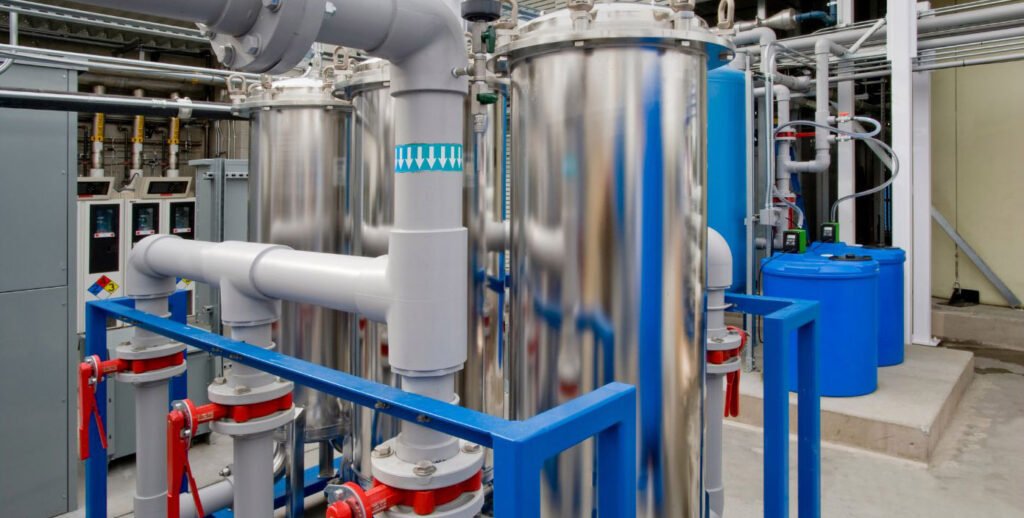
Which of these apply to your house depends on whether you are on city supply or a private well. The test tells us which stages you actually need.
Municipal supplies are disinfected before they reach you. Carbon adsorbs the residual, along with the smell that comes off a hot shower.
Sand, silt and scale fragments that clog aerators, score valve seats and shorten the life of everything downstream.
Earthy, musty or metallic tap water usually traces to organic compounds or dissolved metals. Both respond to the right media.
The source of orange and brown staining in toilets, tubs and laundry. Common on wells, and it will foul softener resin if it gets past.
Hydrogen sulfide is a well problem, not a city one, and it needs oxidation or specialist media rather than plain carbon.
Turbidity that makes a glass of water look wrong even when it is safe to drink, usually fine particulate that a sediment stage catches.
New systems, replacements for units that were never sized right, and ongoing media changes for whatever you already own.
Installed at the main line so every fixture is downstream of it. Backwashing carbon for higher-flow homes, cartridge systems where space is tight.
A spin-down or cartridge stage ahead of everything else. Cheap to run, and it is what keeps the expensive equipment behind it alive.
Under-sink and refrigerator-line filtration for drinking and cooking, where whole-house treatment is more than the situation calls for.
Carbon exhausts and cartridges load up, and neither announces it. We track intervals against your usage and change them before performance drops.
Water should meet the stages in a specific order: sediment first so nothing coarse reaches the media behind it, then iron or sulfur treatment if the test calls for it, then softening, then carbon, then reverse osmosis at the tap if you want drinking water polished.
Put a softener in front of untreated well iron and you will be replacing resin in a couple of years instead of ten. Put carbon in the wrong position and you shorten its life for no benefit. This is the part a big-box system cannot get right, because it does not know what your water contains.
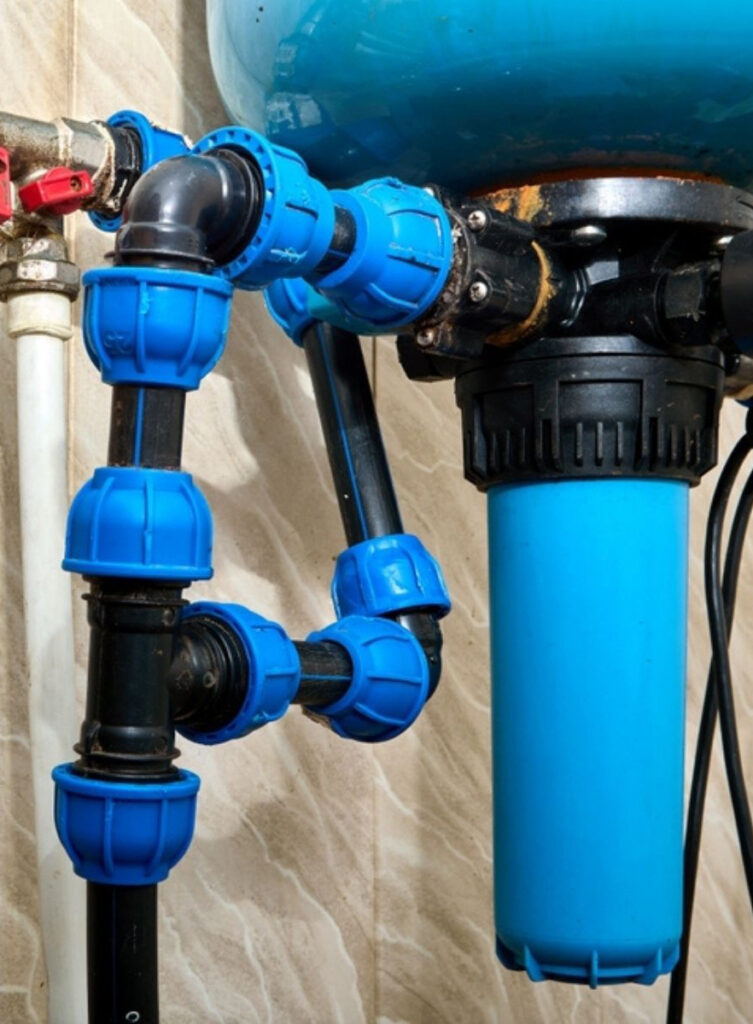
Nobody should buy a water system from a brochure. Here is what actually happens.
We test what is coming out of your tap or your well, hardness in grains per gallon, iron, pH, odor, sediment, and look at your plumbing. About twenty minutes, no charge.
A written recommendation and a firm price based on your numbers and your household use. If a smaller unit does the job, we say so.
Installation by a licensed technician, then filters, settings checks and 24/7 repair for as long as you own the system.
We are not a franchise and we are not a call centre. The person who tests your water works for the company that installs and services it.
Deep roots in San Antonio and the Hill Country, and customers who have been with us for decades.
Class 3 certified by the Texas Water Commission and licensed by the Water Quality Association.
We install and service all major brands, even if the system was not purchased from us.
A leaking or failed system does not wait for business hours. Neither do we.
From single-family homes to restaurants, salons and industrial facilities, sized to the load.
On-site testing and a written estimate cost nothing, with no obligation attached.
What sits either side of it depends on your test results. These are the pieces it most often works with.
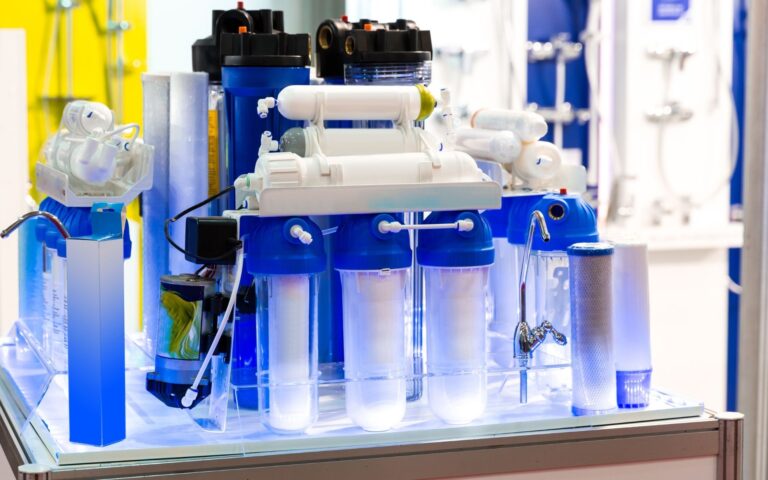
Ion-exchange softening sized to your hardness reading, for city and well supplies.
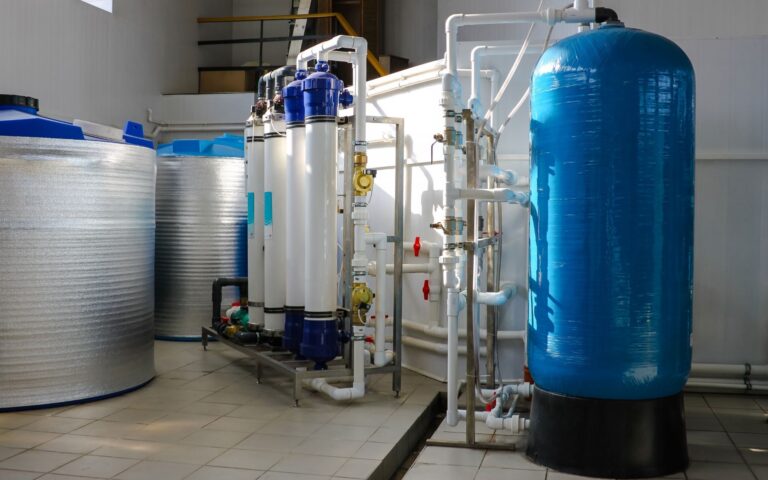
Under-sink RO for drinking and cooking water, removing the dissolved solids filtration leaves behind.
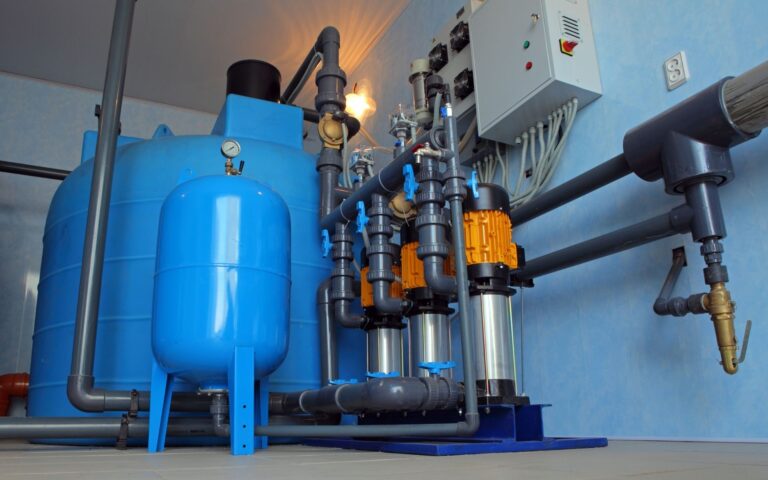
Iron, sulfur, sediment, bacteria and pH, the pre-treatment a well needs.
Usually yes, because they solve different problems. A softener will not remove chlorine, chloramine, sediment, iron staining or the taste and smell that come with them. If your water is soft but still tastes like a swimming pool, filtration is the missing piece.
It depends on your water and how much of it you use, but a whole-house carbon bed typically runs three to five years, and cartridge filters run months rather than years. Carbon does not fail loudly, it quietly stops adsorbing, which is why we track intervals rather than waiting for a complaint.
Chloramine is harder to remove than free chlorine and needs the right grade of carbon and enough contact time. A cartridge sized for chlorine will not keep up with chloramine, which is one of the more common reasons a filter underperforms.
Not usually. Wells often need oxidation or specialist media for iron and sulfur, sediment pre-filtration, sometimes pH correction, and UV for bacteria. Plain carbon handles none of those. That is a treatment train, not a single filter.
If the concern is drinking and cooking, a point-of-use system at the sink is often enough and costs far less. If the concern is chlorine in the shower, sediment reaching your appliances, or staining in bathrooms and laundry, it has to be at the main line.
It depends on the stages your water needs and the flow rate the house requires, which is why we test before quoting. You will get a firm written price after the test, and an honest answer if a smaller point-of-use system will do what you actually want.
Water filtration and water softening are different jobs. Softening removes hardness minerals. Water filtration removes the things you can taste, smell or see, which is why most homes here end up with both rather than one.
On San Antonio city water the usual reason for water filtration is chlorine and the taste and smell that come with it. A carbon-based system takes that out at the point where water enters the house.
On a private well the reasons multiply. Water filtration then has to deal with sediment after heavy rain, iron that stains fixtures orange, manganese that leaves black specks, and hydrogen sulfide that smells of rotten eggs.
Sequence decides whether water filtration works or fails. Sediment comes out first, then iron and sulfur, then hardness. Putting a softener ahead of iron removal is the fastest way to ruin a resin bed.
Sizing is about flow, not floor space. Water filtration that treats beautifully but drops household pressure gets bypassed within weeks, so we size media vessels to your actual flow rate and fixture count.
Media choice follows the test. Catalytic carbon suits chlorine and sulfur, oxidising media suits iron, and simple depth cartridges handle sediment. Water filtration specified without a test is a guess dressed up as a system.
Maintenance is modest but real. Backwashing beds need a drain and a schedule, cartridges need changing, and carbon needs replacing eventually. We set water filtration up so a homeowner can actually keep it running.
We service every major brand of water filtration, including units we did not install, and we will say plainly when replacing beats repairing.
| Problem | What you notice | Water filtration that fixes it |
|---|---|---|
| Chlorine | Pool smell, flat taste | Whole-house catalytic carbon |
| Sediment | Grit in aerators, cloudy water | Depth or spin-down pre-filter |
| Iron | Orange staining in basins | Oxidising iron filter before the softener |
| Manganese | Black specks | Manganese-rated media |
| Sulfur | Rotten egg smell | Aeration or catalytic carbon |
| Dissolved solids | Flat or salty taste | Reverse osmosis at the tap |
Do I need water filtration if I already have a softener? Often yes. A softener does not remove chlorine, sulfur odor or sediment, so water filtration handles what softening cannot.
Will water filtration remove hardness? No. Hardness needs ion exchange. Water filtration and softening solve different problems and are usually installed together.
How long does the media last? Carbon typically runs five to eight years on city water. Iron media varies with load. Sediment cartridges are on a schedule set by your water.
Can you service another company system? Yes. We repair and re-media water filtration from every manufacturer.
Check any of this against the primary sources:
Free on-site test, free written estimate, and a straight answer about which stages you need and which you do not.