
Nothing about a private well tells you it has gone wrong. Bacteria has no taste, nitrate has no smell, and iron staining shows up long after the level has been climbing. Testing is the only warning system a well has.
A municipal supply is sampled and reported on continuously by the utility. If something goes wrong, somebody notices and you get told. A private well has none of that. There is no monitoring, no reporting and no notification, and the responsibility sits entirely with the owner.
What makes that awkward is that the things most worth knowing about are invisible. Coliform bacteria does not change the taste. Nitrate does not change the smell. Falling pH quietly eats copper pipe for years before the first blue-green stain appears.
A test is the only way any of this surfaces. It costs nothing on our side and it takes about twenty minutes, which is a poor reason not to do it annually.
Annually is the baseline. These are the occasions when it matters more than usual.
Aquifers change, casings age and land use nearby changes. An annual baseline is what lets you spot a trend rather than discover a problem.
Surface water carrying bacteria and run-off is the most common route into a well, and Hill Country storms deliver a lot of it very quickly.
If the house depends on a well, the condition of that well is part of what you are buying. Test before closing, not after.
Any noticeable change is the well telling you something has shifted. Metallic, eggy, earthy or cloudy all point somewhere specific.
Anything that opens the system up, a new pump, casing repair, pressure tank work, is an opportunity for contamination to get in.
Nitrate matters far more for infants than for adults, and it is one of the contaminants that will not announce itself in any other way.
From a free field test to a full laboratory panel, depending on what you need to establish.
Hardness, iron, manganese, pH, sulfur, sediment and total dissolved solids, tested at your well or your tap, with a written summary of what the numbers mean.
Coliform and E. coli need a lab rather than a field kit. We collect the sample properly and arrange the analysis, which is the test that matters most on a well.
A full picture for buyers and sellers, so the condition of the well is documented rather than assumed.
After a system is installed we retest, so you can see in numbers that it is doing what we said it would.
We walk you through your own results rather than handing over a printout. Hardness above 10 grains per gallon is very hard, and Hill Country wells frequently run past 20. Iron above roughly 0.3 parts per million stains fixtures and fouls softener resin. pH below 6.5 is corrosive to copper.
Any detectable coliform means the well needs attention, usually shock chlorination followed by a retest, and ultraviolet disinfection if it recurs. That is a health matter rather than a comfort one, and we treat it that way.

Nobody should buy a water system from a brochure. Here is what actually happens.
We test what is coming out of your tap or your well, hardness in grains per gallon, iron, pH, odor, sediment, and look at your plumbing. About twenty minutes, no charge.
A written recommendation and a firm price based on your numbers and your household use. If a smaller unit does the job, we say so.
Installation by a licensed technician, then filters, settings checks and 24/7 repair for as long as you own the system.
We are not a franchise and we are not a call centre. The person who tests your water works for the company that installs and services it.
Deep roots in San Antonio and the Hill Country, and customers who have been with us for decades.
Class 3 certified by the Texas Water Commission and licensed by the Water Quality Association.
We install and service all major brands, even if the system was not purchased from us.
A leaking or failed system does not wait for business hours. Neither do we.
From single-family homes to restaurants, salons and industrial facilities, sized to the load.
On-site testing and a written estimate cost nothing, with no obligation attached.
The numbers point at one of these, or occasionally at nothing at all.

Media, stages and sizing for iron, manganese, sulfur and sediment on a private well.
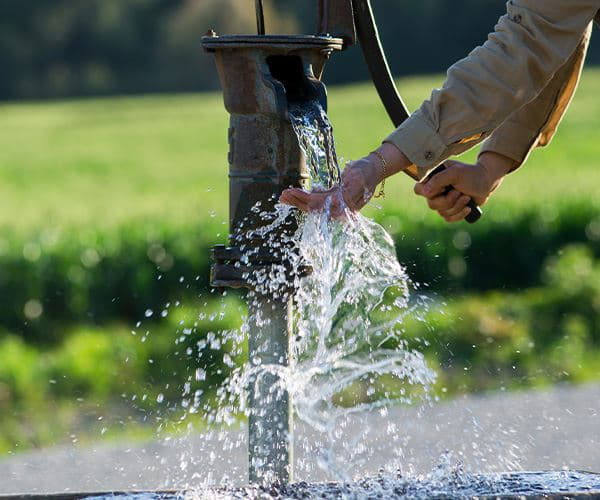
Why softening a well is different, and what has to happen before the softener.
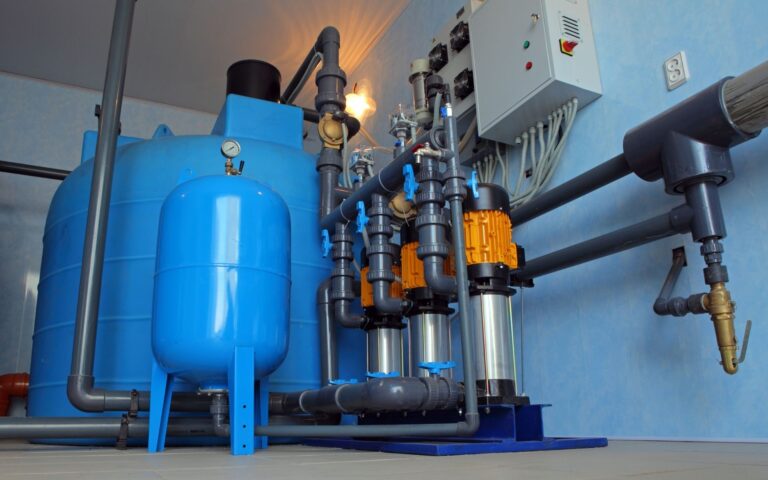
Iron, sulfur, sediment, bacteria and pH, the pre-treatment a well needs.
Annually as a minimum, and additionally after flooding, after any work on the well or pump, if the taste, smell or appearance changes, and before buying a property that relies on one.
The on-site field test is free, including hardness, iron, manganese, pH, sulfur and sediment. Laboratory bacteria testing has a lab cost, and we will tell you what that is before arranging it.
Home strips give you a rough hardness band and little else. They are not accurate enough to size treatment from, and they cannot test for bacteria at all, which is the one result on a well that genuinely matters.
Bacteria first, because surface water carrying coliform is the immediate risk. Then turbidity and sediment, because flooding stirs up material that can foul equipment and shelter organisms from disinfection.
Yes. Coliform bacteria, E. coli and nitrate are all tasteless, odourless and invisible. The contaminants you can detect yourself are generally the ones least likely to hurt you.
Usually shock chlorination of the well followed by a retest a week or two later. If it comes back, that points at an ongoing route in, casing, cap or surface drainage, and ultraviolet disinfection on the supply is the durable answer.
Private wells are not regulated the way city supplies are, so nobody sends you an annual report. Well water testing is the only way to know what is actually coming out of the ground on your property.
Neighbours are not a reliable guide. Two wells on the same road can draw from different depths and give very different results, which is why well water testing is done per property rather than per area.
We run a free on-site well water testing visit covering hardness, iron, clarity and obvious odor, and we send samples to a lab when bacteria, nitrates or dissolved solids need a proper number.
Hardness is nearly always high here. Limestone country puts most Hill Country wells between 15 and 25 grains per gallon, and well water testing tells us the exact figure a softener must be sized to.
Iron and manganese show up as orange or black staining. Well water testing quantifies them, which matters because iron has to be removed upstream of any softener or it will foul the resin.
Bacteria are pass or fail. A positive coliform result usually points at the wellhead rather than the aquifer, so well water testing is followed by an inspection of the cap, casing and surface drainage.
Frequency matters. Annual well water testing for bacteria and nitrates is the sensible baseline, plus a retest after any flooding, any pump work, or any sudden change in taste, smell or colour.
Testing is free and comes with no obligation. Plenty of well water testing visits end with us telling a homeowner their water is fine and they do not need equipment, which is a perfectly good outcome.
| What we measure | Why it matters | Typical Hill Country result |
|---|---|---|
| Hardness (gpg) | Sizes the softener | 15 to 25 grains per gallon |
| Iron | Stains fixtures, fouls softener resin | Common, varies by depth |
| Manganese | Black specks and staining | Occasional |
| Hydrogen sulfide | Rotten egg smell | Common in some pockets |
| pH | Acidic water attacks copper pipe | Usually alkaline, sometimes low |
| Coliform bacteria | Pass or fail, points at wellhead | Usually negative, worth confirming |
How much does well water testing cost? Our on-site well water testing visit is free. Lab work for bacteria and nitrates is quoted before we send anything, so there are no surprises.
How often should I test? Annually for bacteria and nitrates, and again after flooding, pump work or any change in taste, smell or colour.
Will you try to sell me a system? Only if the results justify one. A good share of well water testing visits end with us saying no equipment is needed.
Can I use a home test kit? They are useful for a rough hardness reading. For bacteria and nitrates, lab well water testing is the only result worth trusting.
A note on interpreting results. Well water testing gives numbers, not verdicts. Hardness of 20 grains is normal here and easily treated; a positive coliform result is the one figure that should prompt action the same week.
Keep every report. A folder of well water testing results over several years shows trends, and trends are far more useful than a single snapshot when deciding whether a well is changing.
If you are buying a property on a well, insist on independent well water testing before closing rather than relying on a sellers old report. It is a small cost against a large purchase.
Check any of this against the primary sources:
Free on-site testing across Boerne, Bulverde, Spring Branch, Kerrville, Comfort, Bandera and the rest of the Hill Country.