Short answer: Coliform in well water means a pathway exists for surface contamination to reach your water. Total coliform on its own is a warning sign; fecal coliform or E. coli is more serious and means you should stop drinking the water untreated until it is fixed. The usual fix is to shock chlorinate the well, find and repair the entry point, retest, and add continuous disinfection if coliform in well water keeps coming back.
What this guide covers
- What coliform in well water actually is
- Total coliform vs fecal coliform and E. coli
- How common coliform in well water is in Texas
- How coliform gets into a well
- Shock chlorination: the first fix for coliform in well water
- How to take a proper retest sample
- Find where coliform in well water gets in
- Continuous disinfection when it keeps coming back
- Why a regular filter will not solve coliform in well water
- Getting help in San Antonio and the Hill Country
- Frequently asked questions
What coliform in well water actually is
Coliform bacteria are a large group of bacteria that live in soil, on plants and in the gut of warm-blooded animals. Most types do not make people sick. Labs test for them because they are easy to detect and they travel the same routes as the germs that do cause illness.
That is why coliform in well water is treated as an indicator. A positive result does not prove that disease-causing organisms are present, but it does show that something from the surface is getting into the water. If coliform can get in, other things can too.
The federal health goal for coliform in drinking water, including E. coli, is zero. Private wells are not regulated the way city systems are, but that same goal is the right one for a household well.
Total coliform vs fecal coliform and E. coli
Most lab reports list total coliform first. A positive total coliform result means coliform in well water was detected, but not necessarily from sewage or manure. It often points to soil or surface water getting past the well cap or casing.
If total coliform is positive, the lab usually checks for fecal coliform or E. coli. University extension guidance treats these as more concerning, because they come from human or animal waste. A positive E. coli result means the water is not safe to drink until it has been treated and retested.
Until the problem is fixed, use bottled water or water brought to a rolling boil for drinking, cooking, making ice and brushing teeth. This is standard public health advice whenever E. coli or fecal coliform in well water is confirmed.
- 34%of wells sampled by USGS had total coliform
- Zerofederal health goal for coliform and E. coli
- Yearlyminimum bacteria test for private wells

How common coliform in well water is in Texas
It is more common than most owners expect. In a review cited by the Texas Well Owner Network, USGS sampling of private wells found total coliform in 34 percent of the wells tested. Texas well screening events from 2003 to 2009 found fecal coliform in roughly a third of the samples brought in.
Texas has well over a million private wells, and the owners are responsible for testing them. No agency samples a private well on a schedule, so coliform in well water can go unnoticed for years in a home where the water looks, smells and tastes fine.
In the Hill Country, shallow wells, older casings and limestone that lets surface water move quickly underground all raise the risk, especially after heavy rain.
- 1Switch to safe drinking waterBottled or boiled water if E. coli or fecal coliform is found.
- 2Shock chlorinate the wellFollow a published procedure or hire a professional.
- 3Flush and waitRun the chlorine out before you take a new sample.
- 4Retest with an accredited labSterile bottle, cold tap, no aerator, delivered on time.
- 5Fix the entry pointCap, casing, seal and drainage around the wellhead.
- 6Add continuous disinfectionUV or chlorination if coliform in well water returns.
How coliform gets into a well
Bacteria almost always enter from the top or the sides of the well, not from deep in the aquifer. Common causes are a missing or loose well cap, a cracked casing, a poor grout seal around the casing, or a wellhead that sits low enough for runoff to pool around it.
Nearby sources matter too. A septic system, a livestock pen or a barnyard uphill of the well can all feed coliform in well water, particularly when the ground is saturated. Recent work on the well or the pump can also introduce bacteria if the system was not disinfected afterward.
Flooding is a special case. Any well that has been under floodwater should be treated as contaminated until it has been disinfected and tested.
| Lab result | What it means | What to do |
|---|---|---|
| Total coliform absent | No indicator bacteria found | Retest yearly and after floods or repairs |
| Total coliform present, E. coli absent | Surface water may be getting in | Shock chlorinate, inspect the well, retest |
| E. coli or fecal coliform present | Waste contamination likely | Stop drinking untreated water, disinfect, fix, retest |
| Positive again after shock chlorination | Entry point not fixed | Well inspection and repair, then continuous disinfection |
| Clean after repairs | Cause likely fixed | Retest in a few weeks, then yearly |
Shock chlorination: the first fix for coliform in well water
Shock chlorination means adding a strong dose of chlorine to the well and the plumbing, letting it sit long enough to kill bacteria, and then flushing it out. It is the standard first response to coliform in well water and is often enough when the cause was a one-time event, like work on the pump.
The dose depends on the depth of water in the well and the diameter of the casing, so follow a published procedure such as the Texas Well Owner Network or your extension service guidance, or have a professional do it. Use plain, unscented bleach, keep chlorinated water out of septic systems where possible, and protect yourself from splashes.
Do not retest right away. Wait until the chlorine has been flushed out of the system, then take a new sample. A test taken too soon can give a false clean result while coliform in well water is still there.
How to take a proper retest sample
Get a sterile bottle from an accredited lab and follow its instructions exactly. In Texas, look for a lab accredited by the TCEQ. Take the sample from a cold water tap with the aerator removed, let the water run first, and avoid touching the inside of the cap or bottle.
Labs have a holding time for bacteria samples, often about a day, so collect the sample when you can deliver it promptly. A sample that sits too long can give a result that does not reflect your water.
If the retest is clean, test again in a few weeks and then at least once a year. If coliform in well water shows up again, the cause has not been fixed and the next step is a closer look at the well itself.

Find where coliform in well water gets in
If coliform in well water keeps coming back, something is letting surface water in. Start at the wellhead. The cap should be sealed and vermin-proof, the casing should extend above the ground, and the ground should slope away from the well so rain runs off rather than pooling.
A licensed water well driller or pump installer can check the casing, the seal and the pump, and can sometimes use a camera to look down the well. Cracked casings and failed seals can often be repaired. In some cases, an old or shallow well is not worth saving and a new well is the better answer.
Repairs are the real fix. Disinfection equipment treats the symptom; sealing the well removes the cause, and it also helps keep other surface contaminants out.
Continuous disinfection when it keeps coming back
Some wells keep testing positive even after the obvious problems are fixed, often because of shallow water or fractured limestone. For these homes, continuous disinfection is the practical answer to coliform in well water.
The two common options are ultraviolet light and chlorination. A UV unit treats water as it flows past a lamp and adds no chemicals, but it needs clear water, so sediment and iron filters go in front of it. A chlorine feed system adds a small, steady dose and needs contact time before the water reaches the taps.
Either system needs upkeep. UV lamps are replaced on the manufacturer’s schedule and the sleeve kept clean. Chlorine feeds need refilling and checking. Keep testing for coliform in well water at least yearly to confirm the system is doing its job.
Why a regular filter will not solve coliform in well water
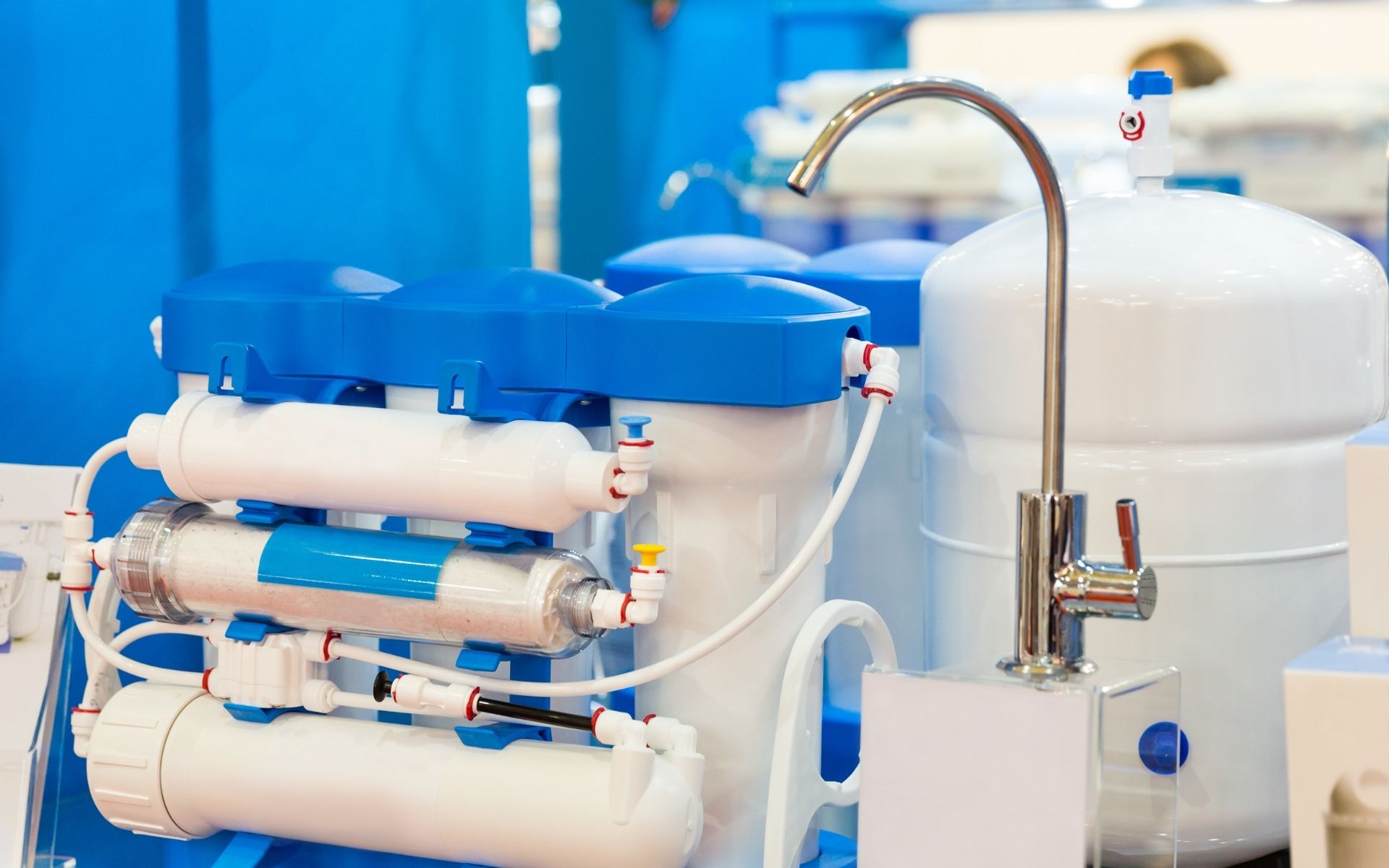
Sediment cartridges, carbon filters and water softeners do not disinfect. A contaminated well can even let bacteria grow on filter media and inside a softener, so adding another filter is not a fix for coliform in well water.
If you already have treatment equipment, it may need to be sanitized after the well is disinfected. Otherwise bacteria living in the media can recontaminate clean water downstream.
This is one reason we design well systems as a sequence: sediment and iron first, softening next, and disinfection last, so every stage protects the one after it.
Getting help in San Antonio and the Hill Country
Gaines Soft Water has worked on wells across San Antonio and the Hill Country since 1989. We can test your water, explain what the results mean, and install UV or chlorination systems sized for your well and flow rate.
For casing, seal and pump repairs we will tell you plainly when you need a licensed well driller or pump installer, so the cause of coliform in well water gets fixed rather than covered up.
If you have just received a positive result, start with safe drinking water, then call us for a free test and a plan.
Frequently asked questions
Is coliform in well water dangerous?
Total coliform itself is usually not harmful, but it shows a pathway exists for contamination. Fecal coliform or E. coli is more serious because it comes from human or animal waste. Do not drink the water untreated if E. coli is found.
Can I shower if my well tests positive for coliform?
Showering is generally considered lower risk than drinking, but avoid swallowing water and follow your local health department’s advice. Use bottled or boiled water for drinking, cooking and brushing teeth until the well is fixed.
Will boiling water kill coliform bacteria?
Yes. Bringing water to a rolling boil kills bacteria. It is a short-term measure for drinking water while the well is disinfected and repaired.
How long after shock chlorination should I retest?
Wait until the chlorine has been fully flushed from the system, then retest. Testing too soon can give a false clean result. Follow the timing in the procedure you used or ask your lab.
Does a water softener remove coliform bacteria?
No. Softeners and ordinary filters do not disinfect, and bacteria can grow in their media. Coliform in well water needs disinfection, such as shock chlorination, UV or a chlorine feed.
Why does coliform keep coming back in my well?
Usually because the entry point has not been fixed, such as a loose cap, cracked casing or poor seal, or because the well is shallow and drawing surface-influenced water. A well inspection, repairs and continuous disinfection are the next steps.
Positive coliform result? Get a plan
We test wells for free across San Antonio, Boerne, Kerrville, Fredericksburg, New Braunfels, Canyon Lake and the Hill Country, explain the results, and design disinfection that fits your well.
Related reading: well water testing, well water treatment, well water filtration and well water services.
More from this guide: well water safety in Texas, how to choose a well water filter and San Antonio well water.
Sources: CDC, Guidelines for Testing Well Water, EPA, Private Drinking Water Wells, Texas Well Owner Network, University of Arizona Cooperative Extension.