
Short answer: A San Antonio well is a piece of infrastructure, and like any infrastructure it fails quietly before it fails loudly. Most of what goes wrong on wells around San Antonio is mechanical and visible at the wellhead, long before anyone notices a change at the tap.
What this guide covers
- Where wells sit around San Antonio
- The wellhead is where most problems start
- Pump and pressure tank symptoms
- Changes in the water itself
- Drought, flood and Bexar County wells
- A sensible maintenance schedule
- Treating what the tests find
- Keeping records that are worth something
- How we help
- Frequently asked questions
Where wells sit around San Antonio
San Antonio city water coverage thins at the northern and western edges and stops entirely across much of the surrounding county.
Helotes, Grey Forest, Scenic Oaks and the hill areas above Loop 1604 all carry a high proportion of private wells drawing on the Trinity or Edwards aquifer.
Those San Antonio households own the whole system: the casing, the cap, the pump, the pressure tank and every result that comes out of it.
- Annuallyminimum testing and wellhead inspection interval
- Unregulatedprivate wells are not sampled or reported in Texas
- Rapid cyclingthe classic sign of a pressure tank losing its charge
- Freeon-site well testing across San Antonio and Bexar County
The wellhead is where most problems start
On a San Antonio well the casing should stand clear of the ground so surface water cannot run down the outside of it, and the cap should be sealed and vermin-proof.
Ground around the head should slope away rather than pooling, because pooling after heavy rain is the classic route for surface contamination.
Cracks in the casing, a loose cap or a missing screen are cheap to fix and expensive to ignore, and they explain a great many failed bacteria tests.
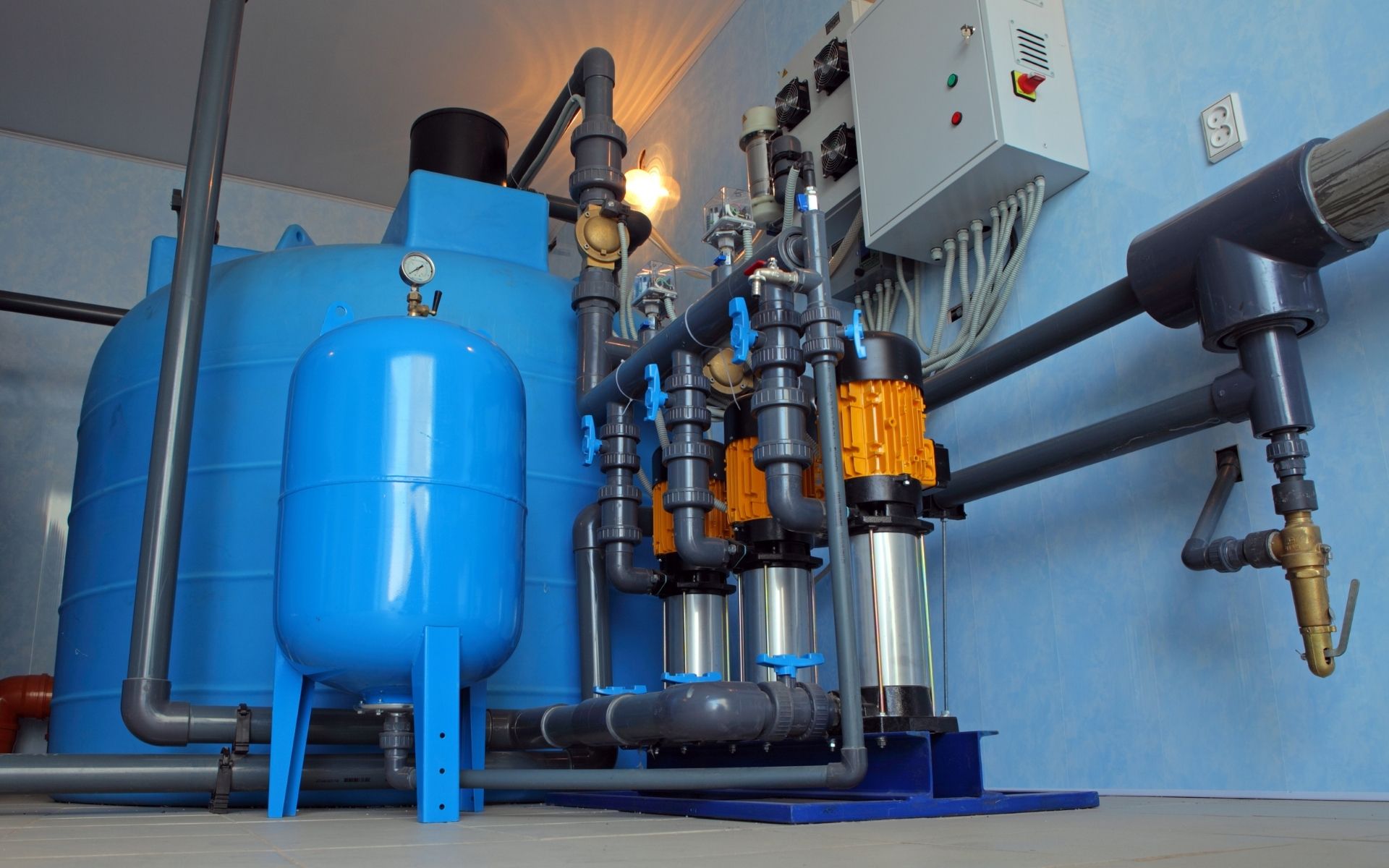
Pump and pressure tank symptoms
A pump that cycles rapidly on and off is usually telling you the pressure tank has lost its air charge, and running like that shortens pump life quickly.
Falling pressure across the house, rather than at one fixture, points at the pump, the tank or a restriction rather than at scale.
Air spitting from taps can mean a dropping water level or a leak on the suction side, and both deserve attention rather than patience.
- 1InspectCasing, cap, seal and ground slope checked at the head.
- 2TestBacteria, nitrate, hardness, iron and pH measured on site.
- 3CheckPressure tank charge and pump cycling assessed.
- 4RecordWritten results left with you after every visit.
Changes in the water itself
Cloudiness after heavy rain suggests surface intrusion or sediment being drawn from the formation, and it should prompt a bacteria test rather than a filter purchase.
A new metallic taste or orange staining points at iron, which is the most common finding on San Antonio wells.
The rotten egg smell is hydrogen sulfide, a dissolved gas that a softener and a plain cartridge filter will not touch.
| Symptom | Likely cause | What to do |
|---|---|---|
| Pump cycles rapidly | Pressure tank lost its air charge | Recharge or replace the tank |
| Air spitting from taps | Falling level or suction-side leak | Inspect before it damages the pump |
| Cloudy after heavy rain | Surface intrusion or sediment | Bacteria test, then sediment filtration |
| Orange staining | Dissolved iron | Iron filter ahead of the softener |
| Rotten egg smell | Hydrogen sulfide gas | Aeration or catalytic carbon |
| Pressure dropping house-wide | Pump, tank or restriction | Mechanical inspection, not a filter |
Drought, flood and Bexar County wells
The San Antonio region swings between severe drought and heavy flooding, and both extremes change what a well delivers.
Falling water tables concentrate dissolved minerals and can pull a well closer to the bottom of its productive zone.
Heavy rain does the opposite, and the Edwards recharge zone north of the city responds to storms within days rather than seasons.

A sensible maintenance schedule
On any San Antonio well, test annually for bacteria, nitrate, hardness, iron and pH, and inspect the wellhead at the same time.
Check pressure tank charge and pump cycling yearly, and keep a written record of results so drift is visible.
Test again immediately after flooding, after any work on the well or pump, and before closing on a property that has one.
Treating what the tests find
On San Antonio wells the order is sediment first, then iron and sulfur, then softening, then ultraviolet disinfection where bacteria are present.
Each stage protects the next, and putting a softener ahead of iron removal is the most expensive sequencing error we are called out to correct.

Keeping records that are worth something
Well completion reports, pump specifications, past test results and service dates are all worth keeping together in one place.
They make troubleshooting a San Antonio well faster and they matter at sale, when a buyer asks what is known about the water.
We leave written results after every visit, and those results belong to you regardless of whether you buy anything.
How we help
We test, service and install across San Antonio, Bexar County, Boerne, Bulverde, Fair Oaks Ranch, New Braunfels and Canyon Lake.
We service every major brand, including systems we did not install and equipment left behind by companies that have closed.
Testing is free and carries no obligation, and a fair share of visits end with us recommending nothing at all.
Frequently asked questions
Are there private wells in San Antonio?
Yes, particularly on the northern and western edges around Helotes, Grey Forest and Scenic Oaks, and across much of outer Bexar County.
How often should a well be serviced?
Inspect the wellhead and test the water annually, and check the pressure tank and pump cycling at the same time.
Why does my pump keep switching on and off?
Usually a pressure tank that has lost its air charge. Running that way shortens pump life quickly.
My water went cloudy after a storm. What now?
Test for bacteria before buying anything. Cloudiness after rain can indicate surface water reaching the well.
Do you service systems you did not install?
Yes, on every major brand, starting with a water test rather than an assumption.
Book a free well check near San Antonio
We test on site for free across Boerne, Kerrville, Fredericksburg, New Braunfels, Canyon Lake and the wider Hill Country. You get the numbers in writing, with no obligation.
Related reading: well water services, San Antonio water softeners, water testing and analysis, softener repair and service.
More from this guide: well water at Canyon Lake, well water safety and what a water test measures.
Sources and further reading: Texas Well Owner Network (Texas A&M AgriLife), EPA national primary drinking water regulations, Texas Water Development Board groundwater data.