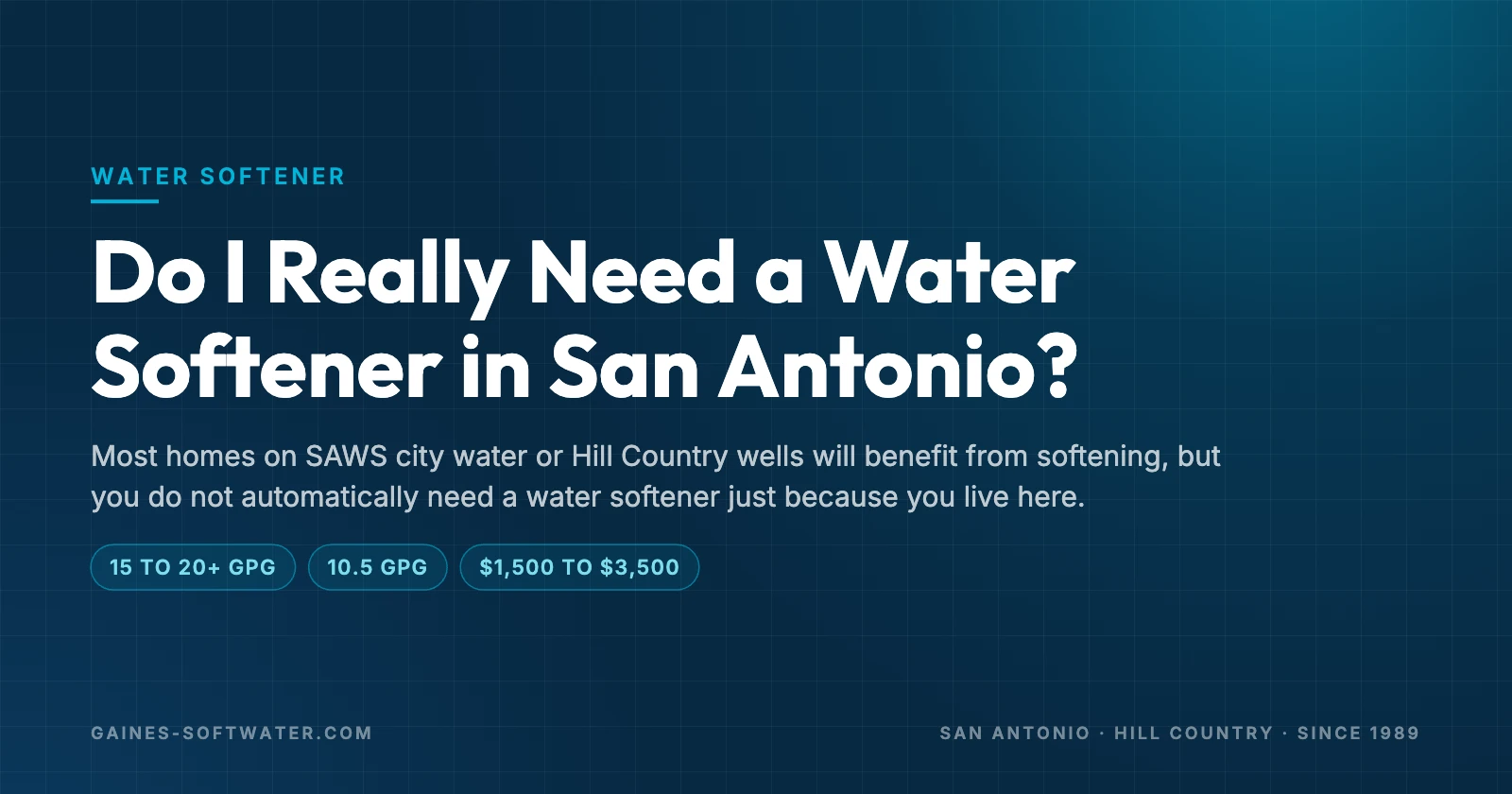
Short answer: Most homes on SAWS city water or Hill Country wells will benefit from softening, but you do not automatically need a water softener just because you live here. Hill Country and San Antonio water is hard, commonly 15 to 20+ grains per gallon, which means scale on fixtures, spotty dishes and harder work for your water heater. If those things bother you, or you want your appliances to last, softening is usually worth it. If they do not, or you rent short term, you can reasonably skip it or choose something smaller.
What this guide covers
- Does San Antonio have hard or soft water?
- Who will benefit from softening
- Signs you need a water softener
- What a softener will and will not fix
- Who can reasonably skip it
- Salt-free conditioners as an alternative
- Point-of-use reverse osmosis
- The real costs of not softening
- Questions to ask before you buy
- How to know if you need a water softener: test first
- Frequently asked questions
Does San Antonio have hard or soft water?
Hard. San Antonio’s city supply is drawn largely from the Edwards Aquifer, a limestone aquifer. As water moves through that rock, it dissolves calcium and magnesium, the minerals that make water hard. Hill Country wells drawing from the Trinity Aquifer pick up the same minerals, sometimes along with iron or sulfur.
Hardness is measured in grains per gallon. The USGS treats anything above about 10.5 grains as very hard. Across our service area, readings of 15 to 20+ grains are common, though numbers vary by neighborhood, by well and year to year. Your utility’s annual water quality report lists a range for your system.
So the water is hard almost everywhere we work. The real question is not whether your water is hard. It is whether that hardness causes enough trouble in your house to justify treating it. We cover the local picture in more depth in hard water in San Antonio.
Who will benefit from softening
Homeowners who plan to stay a few years get the most out of a water softener. Scale builds up slowly inside water heaters, dishwashers, washing machines, faucets and shower valves. Softened water stops most new scale from forming, so those appliances work closer to how they were designed and usually last longer.
Households with tankless water heaters benefit a lot, because scale in the heat exchanger cuts efficiency and triggers error codes. The U.S. Department of Energy notes that hard water scale affects water heater performance and recommends regular maintenance in hard water areas.
People who notice the water also benefit: those who are tired of scrubbing white crust off glass shower doors, re-washing spotted glasses or using extra soap and detergent. On well water, softening is often one piece of a larger treatment setup that handles iron and odor too.
- 15 to 20+ gpgcommon local hardness
- 10.5 gpgUSGS threshold for very hard
- $1,500 to $3,500sized system installed, city water
- $0cost of our on-site water test
Signs you need a water softener
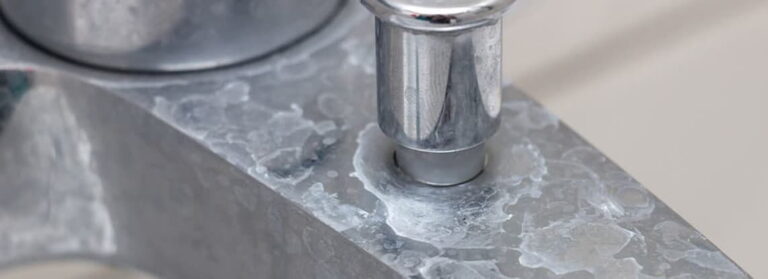
Your house usually tells you. White crust around faucets and showerheads, cloudy spots on dishes after the dishwasher, and a ring in the toilet bowl that keeps coming back are the classic signs. Soap and shampoo that will not lather well point the same way.
Look at your appliances too. A water heater that rumbles or pops, a tankless unit that throws scale errors, an ice maker that clogs, or a showerhead with half its jets blocked all suggest hardness is doing real damage. Our list of signs of hard water goes deeper.
If you see two or three of these signs, you probably have hardness worth treating, or at least worth a test to confirm what is causing them.
- 1LookCheck faucets, showerheads and glass doors for white crust.
- 2ListenNote any popping or rumbling from your water heater.
- 3ReadFind the hardness range in your utility’s annual water quality report.
- 4TestGet a free on-site test to confirm hardness, iron and chlorine.
What a softener will and will not fix
A water softener does one job well: it removes calcium and magnesium through ion exchange. That stops new scale, cuts spotting, helps soap lather and protects water-using appliances. Many people also notice their skin and hair feel different, though that is personal and varies.
A water softener does not make water safer to drink, remove most chemicals, fix chlorine taste or kill bacteria. It does little for lead, arsenic, nitrates or PFAS. Light iron can be handled by some softeners, but heavier iron, sulfur smell and sediment need dedicated filtration first.
| Problem | Does a softener fix it? | Better tool if not |
|---|---|---|
| Scale on fixtures and in appliances | Yes | Not needed |
| Spotty dishes and glass | Yes, mostly | Not needed |
| Chlorine taste and smell | No | Carbon filtration |
| Rotten egg smell on a well | No | Well water pre-treatment |
| Dissolved solids, drinking water taste | No | Under-sink reverse osmosis |
| Bacteria or contamination | No | Testing, then disinfection |
Who can reasonably skip it
Not everyone does. If you rent and plan to move within a year, a portable or point-of-use solution often makes more sense than a permanent install. If you live in a condo with a building-wide system, your water may already be treated.
Some people on sodium-restricted diets prefer to avoid standard softened water at the kitchen tap. That is easy to work around with a separate unsoftened cold line or an RO faucet, but it is worth a conversation with your doctor. Potassium chloride is another option.
And some people simply do not mind. If you are comfortable descaling fixtures and flushing the water heater on schedule, and you accept shorter appliance life, skipping softening is a valid choice. We would rather you make it knowingly than be pushed into a purchase. Our post on softener downsides covers the tradeoffs honestly.
Salt-free conditioners as an alternative
Salt-free conditioners, usually based on template assisted crystallization, do not remove hardness. They change how the minerals behave so they are less likely to stick as scale. They use no salt, need no drain and require very little maintenance.
They are a fair choice for people who want scale reduction without salt, or who live in communities that restrict softener discharge. They will not give you the slick feel of softened water, and soap will lather about the same as before. Spotting on glass usually improves less than with a true softener.
At our hardness levels, a water softener generally performs better. A conditioner is still a sensible middle ground for some homes, and we install both.
Point-of-use reverse osmosis
Sometimes the real complaint is drinking water taste, not scale. In that case, an under-sink reverse osmosis system may be the better first purchase. It runs typically $300 to $800 and treats only the water you drink and cook with.
RO removes most dissolved solids, including hardness minerals, along with many other contaminants. It does nothing for the rest of the house, so your fixtures and water heater still see hard water. Many San Antonio homes end up with both: a water softener for the house and RO at the kitchen sink.
Softening first also helps an RO system, because softened feed water is easier on the membrane and can extend its life.
The real costs of not softening
Skipping a water softener saves money up front, but hard water has ongoing costs. Scale insulates the bottom of a tank water heater, so it works harder to heat the same water. Faucets, valves, ice makers and dishwashers tend to need repairs or replacement sooner.
You will also spend more on cleaning products, descaling solutions and detergent. None of these costs is dramatic in a single month, and we will not pretend to put an exact dollar total on them. Over years in a home with 15 to 20+ grain water, they add up in time, money and annoyance.
Weigh that against a water softener’s costs: purchase, installation, salt and occasional service. Our water softener cost guide lays out those numbers. For a homeowner staying several years, the math usually favors softening.
Questions to ask before you buy
If you decide on a water softener, ask a few questions before signing. What is my actual hardness, and do I have iron? What grain capacity do you recommend, and why? Is the valve demand-initiated, so it regenerates only when needed?
Ask about installation, salt use per month, warranty and who services it. Ask whether the unit can be repaired by any technician or only by the brand that sold it. Proprietary parts can lock you into one company for years.
Be cautious with in-home demos that use dramatic chemical tests, or quotes that only work if you sign today. A good company gives you numbers in writing and time to think.
How to know if you need a water softener: test first
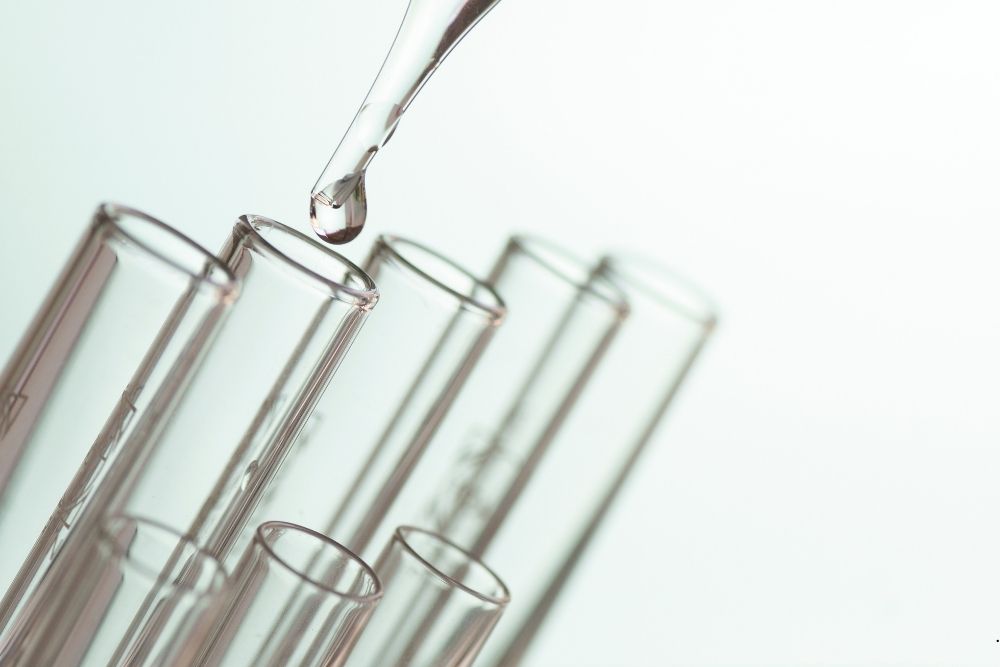
The honest way to decide is to measure. A water test tells you your hardness, whether there is iron or chlorine to deal with, and which treatment fits. With real numbers in hand, the answer to whether you need a water softener usually becomes obvious.
We test on site for free and explain the results whether you buy anything or not. If softening is not worth it for your house, we will tell you, and if an RO system or salt-free conditioner fits better, we will say that too. Once you know the right setup, our installation cost guide shows what a fair install looks like.
Frequently asked questions
Do I really need a water softener in San Antonio?
Most homes benefit, because local water is commonly 15 to 20+ grains per gallon. You do not strictly need one, but softening reduces scale, protects appliances and cuts cleaning. A free test shows whether it is worth it for your house.
Does San Antonio have hard or soft water?
Hard. The city supply comes largely from the Edwards Aquifer, a limestone aquifer, and Hill Country wells often draw from the Trinity Aquifer. Both carry high levels of calcium and magnesium.
What are the signs you need a water softener?
White crust on faucets, spotty dishes, a recurring toilet ring, poor soap lather and a noisy water heater are the common signs. Two or three together usually point to hard water.
Is a water softener worth it?
For homeowners staying several years in a hard water area, usually yes. It extends appliance life and reduces cleaning and detergent costs. Short-term renters may be better served by a point-of-use option.
Is a salt-free water softener as good as a regular one?
Not for the same job. Salt-free conditioners reduce scale buildup but do not remove hardness, so you will not get softer feeling water or better lather. They suit people who want low maintenance and no salt.
Can I drink water from a water softener?
Generally yes. Softened water contains a small amount of added sodium. If you watch your sodium intake, use an RO faucet or an unsoftened cold line at the kitchen sink.
Find out if you need one, free
We test on site for free across San Antonio, Boerne, New Braunfels, Canyon Lake and the wider Hill Country. You get the numbers in writing, with no obligation to buy anything.
Related reading: water softeners, salt-free water conditioners, reverse osmosis systems, water treatment in San Antonio and free water testing.
More from this guide: what it costs to install a water softener, whether softened water is safe to drink and hard water in San Antonio.
Sources: USGS, Hardness of Water, San Antonio Water System, U.S. Department of Energy, Water Heating, EPA, Consumer Confidence Reports.