Short answer: Hard water rarely announces itself. It shows up as chalky glassware, stiff towels, a water heater that runs louder every year. Learning the signs of hard water lets you act before the damage reaches the appliances that cost real money to replace.
What this guide covers
What hard water actually is
Hardness is dissolved calcium and magnesium picked up as water moves through limestone and dolomite. Across the Texas Hill Country that geology is everywhere.
It is measured in grains per gallon. Below 3 is soft, 7 to 10 is hard, and above 10 is very hard. Most of this region sits in the last band.
It is not a safety issue. It is a cost issue, and the cost is spread thinly across your plumbing, your appliances and your monthly spending.
- 7-10 gpgthe point at which water is classed as hard
- 10+ gpgtypical Texas Hill Country reading, classed very hard
- 3-5 dayscorrect regeneration interval for a sized softener
- Freeon-site hardness testing with no obligation
Signs of hard water on fixtures and glass
White crust around aerators and shower heads is mineral scale drying in place. It returns days after you clean it.
Glassware that comes out of the dishwasher cloudy has been etched by minerals rather than left dirty, and no amount of rinse aid fully fixes it.
Spotting on chrome and stainless is the same process on a surface you look at every day.
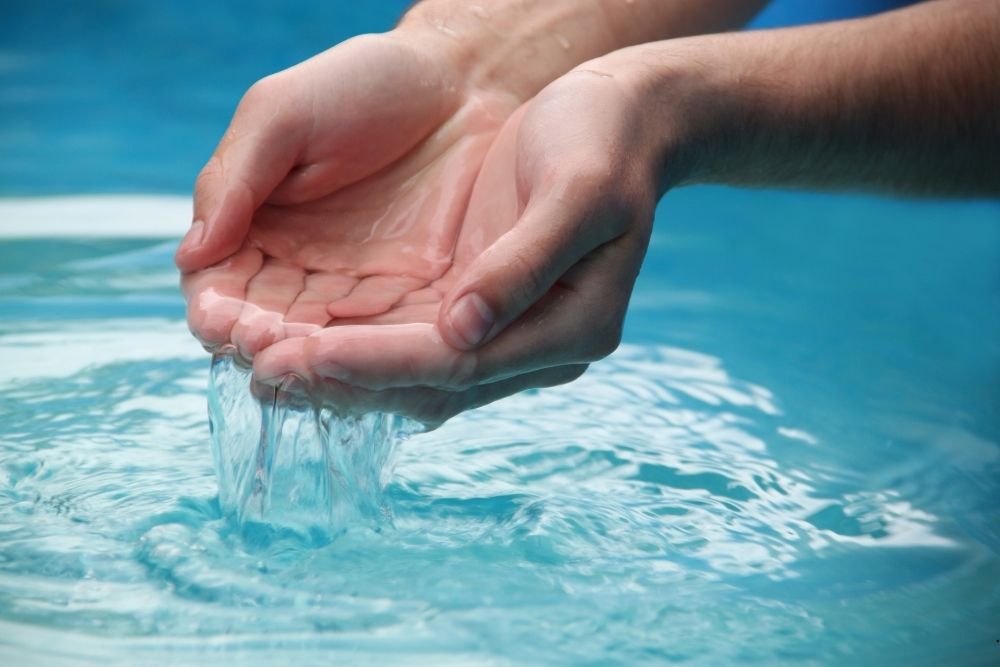
Signs in the laundry and the bathroom
Towels that dry stiff have mineral deposits trapped in the fibres. Softener sheets mask this rather than solving it.
Soap and shampoo that refuse to lather are reacting with calcium instead of cleaning. Households on hard water routinely use noticeably more of both.
Skin that feels tight after a shower and hair that feels coated are the same chemistry on you rather than on the tiles.
- 1Spot itScale, cloudy glass, stiff towels, poor lather, rumbling heater.
- 2Test itFree on-site measurement in grains per gallon at your tap.
- 3Size itCapacity calculated from household use and your reading.
- 4Fit itLicensed installation, then scheduled service on any brand.
Signs your appliances are paying for it
A water heater that rumbles or ticks is heating through a layer of scale on the element or the tank floor. Scale insulates, so the unit works harder for the same hot water.
Dishwashers and washing machines lose efficiency the same way, and the failure usually presents as a valve or a heating element rather than as hardness.
Reduced flow at a single tap, then at several, points at scale narrowing the pipework behind the walls.
| What you notice | What it means | Where it shows first |
|---|---|---|
| White crust on taps | Mineral scale drying in place | Aerators and shower heads |
| Cloudy glassware | Etching by dissolved minerals | Dishwasher |
| Stiff towels | Minerals trapped in fibres | Laundry |
| Poor lather | Soap reacting with calcium | Shower and sinks |
| Rumbling water heater | Scale on the element or tank floor | Water heater |
| Falling flow rate | Scale narrowing the pipe bore | Hot water lines first |
The quiet cost in your bills
Scale on a heating element measurably increases the energy needed to reach temperature, and that shows up every month rather than all at once.
Detergent, shampoo and cleaning product consumption rise on hard water because more product is consumed reacting with minerals.
None of this is dramatic on any single bill, which is precisely why the signs of hard water go unaddressed for years.
Confirming it with a test
Symptoms tell you something is wrong. A test tells you what and how much, and that number is what sizes any equipment.
City customers can look at published reports for a general figure, but that is a system average rather than a reading at your tap.
On a private well nothing is published at all, so testing is the only way to know. Ours is free and carries no obligation.
What actually fixes it
Ion exchange is the only method that genuinely removes hardness. Resin swaps calcium and magnesium for sodium, and the bed is regenerated with brine.
Descalers and conditioners change how minerals behave without removing them. They can reduce scale adhesion, but the hardness is still there.
Which one suits you depends on your numbers, your household and what you want to achieve, and that is a conversation worth having before you buy.
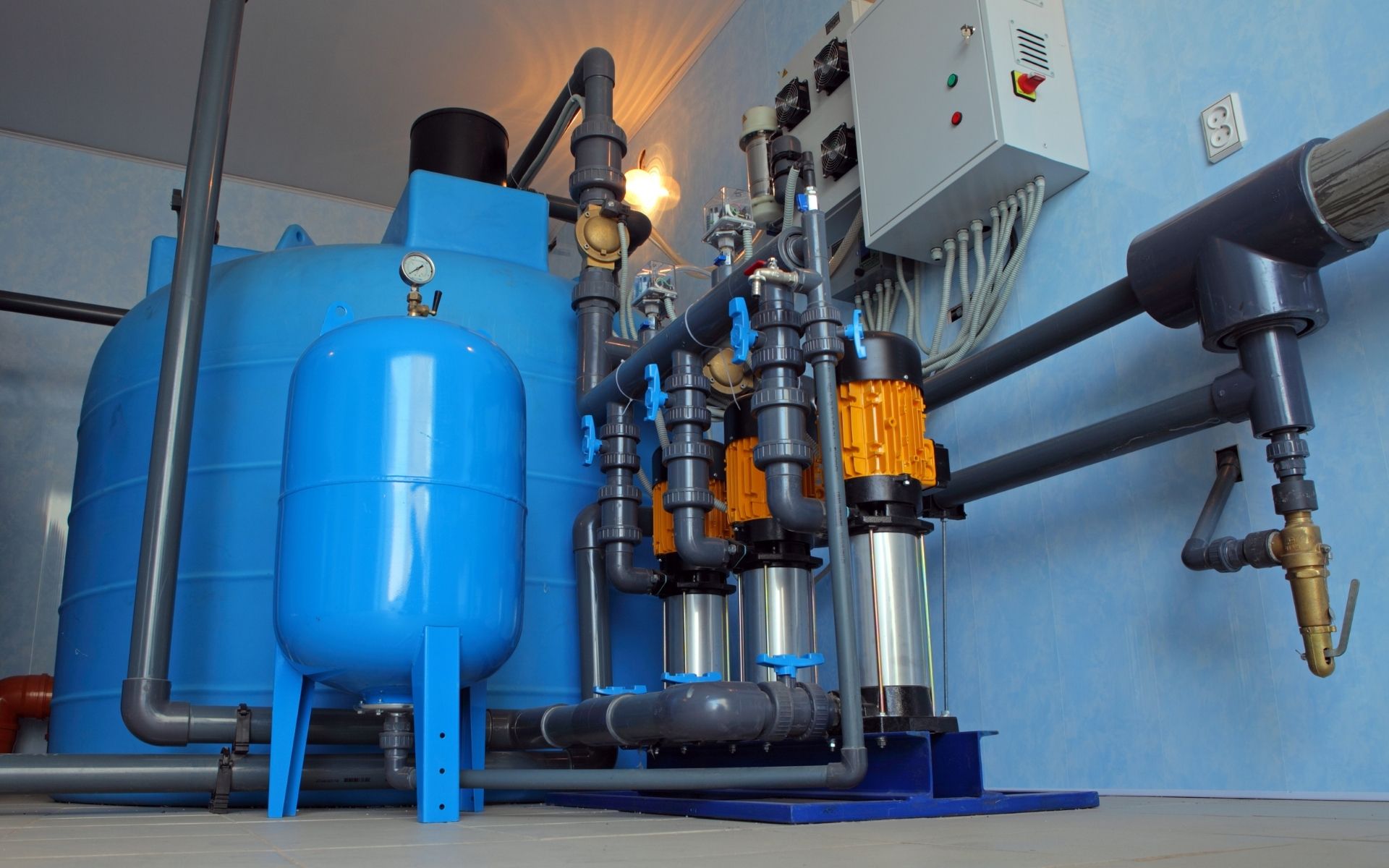
Getting the size right
Capacity is calculated from household size, daily use and measured grains per gallon, then matched to a unit that regenerates every three to five days.
Undersized systems regenerate constantly and burn salt. Oversized ones cost more than the house needs and can let the resin bed channel.
What to do next
If you recognise three or more of the signs of hard water above, a test is the sensible next step rather than a purchase.
We test on site across Boerne, Kerrville, Fredericksburg, New Braunfels, Canyon Lake and San Antonio, and we service every major brand.
A fair number of visits end with us confirming the water is fine and recommending nothing at all, which is the point of testing first.
Frequently asked questions
What are the most reliable signs of hard water?
White scale on taps, cloudy glassware, stiff towels, poor soap lather and a water heater that rumbles. Three or more together is worth a test.
Is hard water dangerous to drink?
No. Calcium and magnesium are not health hazards. The cost falls on plumbing, appliances and the products you buy.
How hard is Texas Hill Country water?
Most of the region tests above 10 grains per gallon, which is classed as very hard on every published scale.
Will a filter remove hardness?
No. Sediment and carbon filters improve clarity and taste. Only ion exchange removes calcium and magnesium.
How do I get an accurate reading?
Have the water tested at your own tap. City averages and neighbours numbers are indicative rather than accurate for your address.
Find out how hard your water really is
We test on site for free across Boerne, Kerrville, Fredericksburg, New Braunfels, Canyon Lake and the wider Hill Country. You get the numbers in writing, with no obligation.
Related reading: water softeners, free water testing, water filtration systems, softener repair and service.
More from this guide: hard water in San Antonio, hard water at Canyon Lake and hard water in Gillespie County. Also worth reading: all our water treatment options.
Sources and further reading: Texas Well Owner Network (Texas A&M AgriLife), EPA national primary drinking water regulations, Texas Water Development Board groundwater data.
Also worth reading: the downsides worth knowing and whether you can write it off.