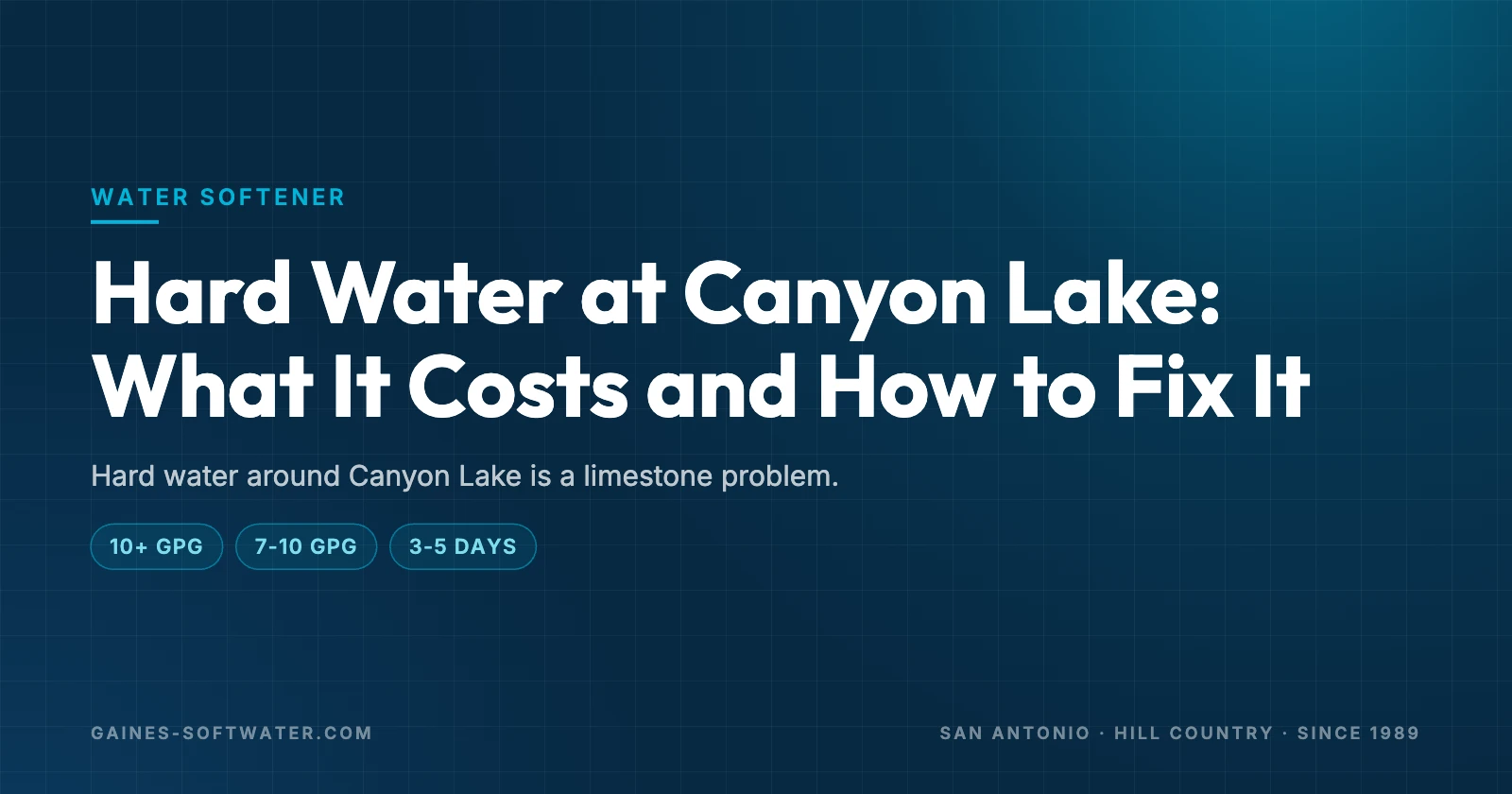
Short answer: Hard water around Canyon Lake is a limestone problem. Both the Edwards and Trinity aquifers move through carbonate rock, and what comes out of the ground carries the calcium and magnesium that leave scale on everything they touch.
What this guide covers
What hardness actually is
Hardness is dissolved calcium and magnesium, measured in grains per gallon. Below 3 is soft, 7 to 10 is hard, and anything above 10 is very hard.
Around Canyon Lake readings commonly sit in double digits, which puts most households firmly in the very hard band.
It is not a health matter. It is a cost matter, spread thinly across your plumbing, your appliances and the products you buy every month.
- 10+ gpgtypical Canyon Lake hardness, classed very hard
- 7-10 gpgthe point at which water is classed as hard
- 3-5 dayscorrect regeneration interval for a sized softener
- Freeon-site hardness testing across Comal County
Where you notice it first
White crust around aerators and shower heads is scale drying in place, and it returns within days of being cleaned.
Glassware comes out of the dishwasher cloudy because minerals have etched it rather than because it is dirty. Rinse aid masks this rather than fixing it.
Towels dry stiff, soap refuses to lather, and skin feels tight after a shower. All of it is the same chemistry in different rooms.
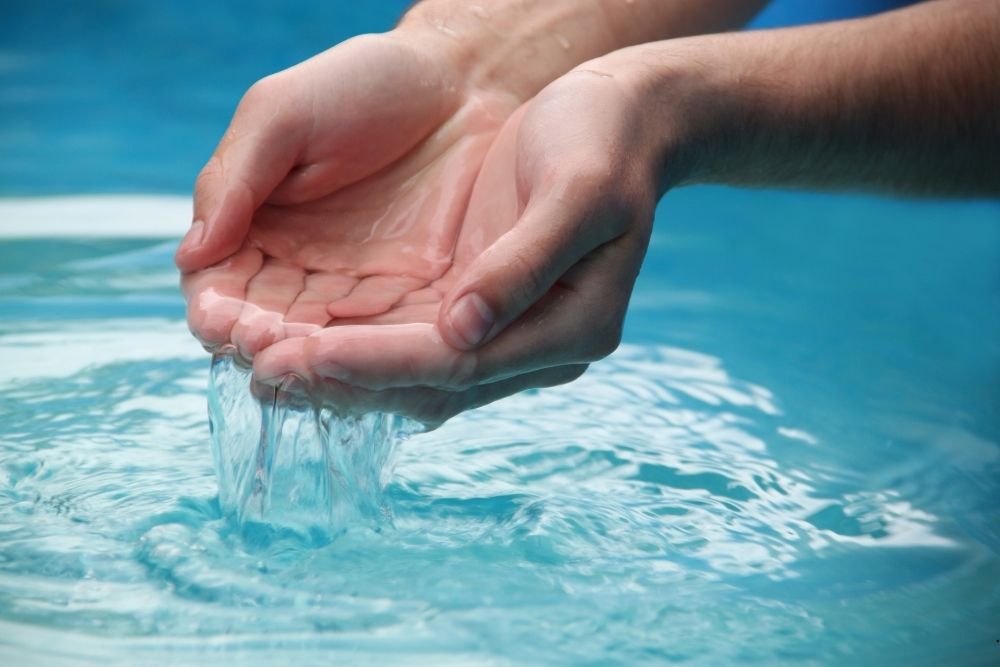
What it does to your water heater
Scale settles on the element and the tank floor, where it acts as insulation. The unit then burns more energy to deliver the same hot water.
A heater that rumbles or ticks is telling you this is already happening, and the cost shows up on every monthly bill rather than all at once.
Dishwashers and washing machines lose efficiency the same way, and the failure usually presents as a valve or an element rather than as hardness.
- 1Spot itScale, cloudy glass, stiff towels, poor lather, rumbling heater.
- 2Test itFree on-site measurement in grains per gallon at your tap.
- 3Size itCapacity calculated from household use and your reading.
- 4Fit itLicensed installation, then scheduled service on any brand.
City supply and private wells
Homes on the public system around Canyon Lake get water that is treated, monitored and reported. Treatment addresses safety rather than hardness.
Properties on private wells get whatever the formation gives them, and nobody samples those unless the owner arranges it.
Both situations usually end up needing softening. The difference is what has to happen upstream of it.
| What you notice | What it means | Where it shows first |
|---|---|---|
| White crust on taps | Scale drying in place | Aerators and shower heads |
| Cloudy glassware | Etching by dissolved minerals | Dishwasher |
| Stiff towels | Minerals trapped in fibres | Laundry |
| Poor lather | Soap reacting with calcium | Shower and sinks |
| Rumbling water heater | Scale on element or tank floor | Water heater |
| Orange staining as well | Iron on a private well | Basins and laundry |
What complicates hard water on a well
Iron is the most frequent finding, showing as orange staining and, more expensively, fouling softener resin if it reaches the bed untreated.
Hydrogen sulfide produces the rotten egg smell. It is a dissolved gas, so a softener does nothing to it at all.
Sediment spikes after heavy rain, particularly in shallower formations near the lake, and it blinds whatever sits downstream.
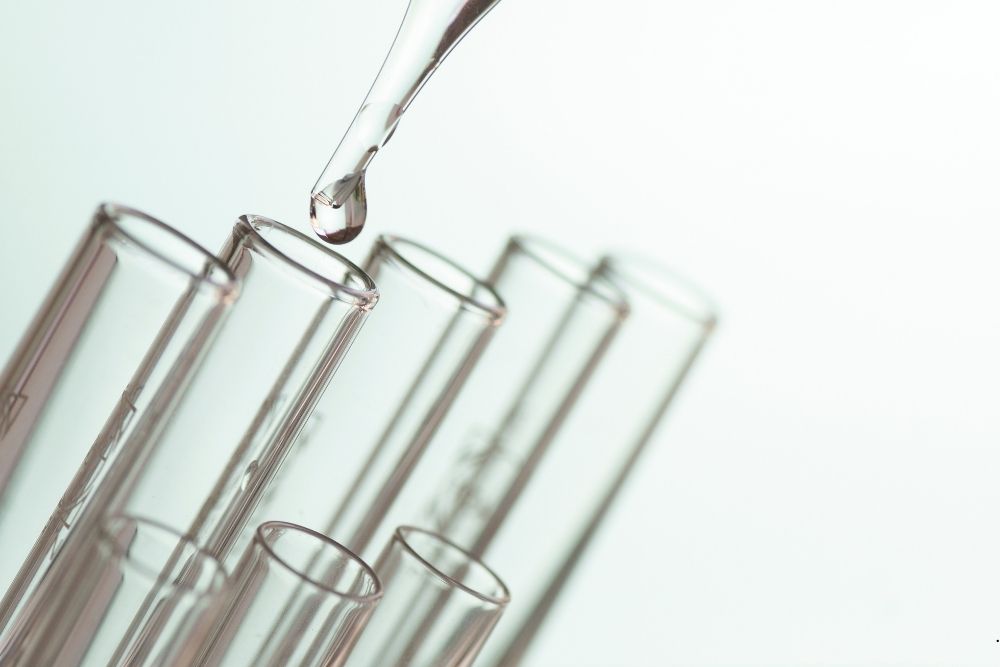
What actually removes hardness
Ion exchange is the only method that genuinely removes it. Resin swaps calcium and magnesium for sodium, and the bed is regenerated with brine.
Conditioners and descalers change how minerals behave without removing them. They can reduce scale adhesion, but the hardness is still in the water.
Which suits you depends on your numbers and what you want to achieve, and that is worth settling before anything is bought.
Sizing it correctly
Capacity comes from household size, daily consumption and measured grains per gallon, matched to a unit that regenerates every three to five days.
Weekend and rental properties around the lake need particular care, because occupancy spikes create demand a family-sized unit cannot meet.
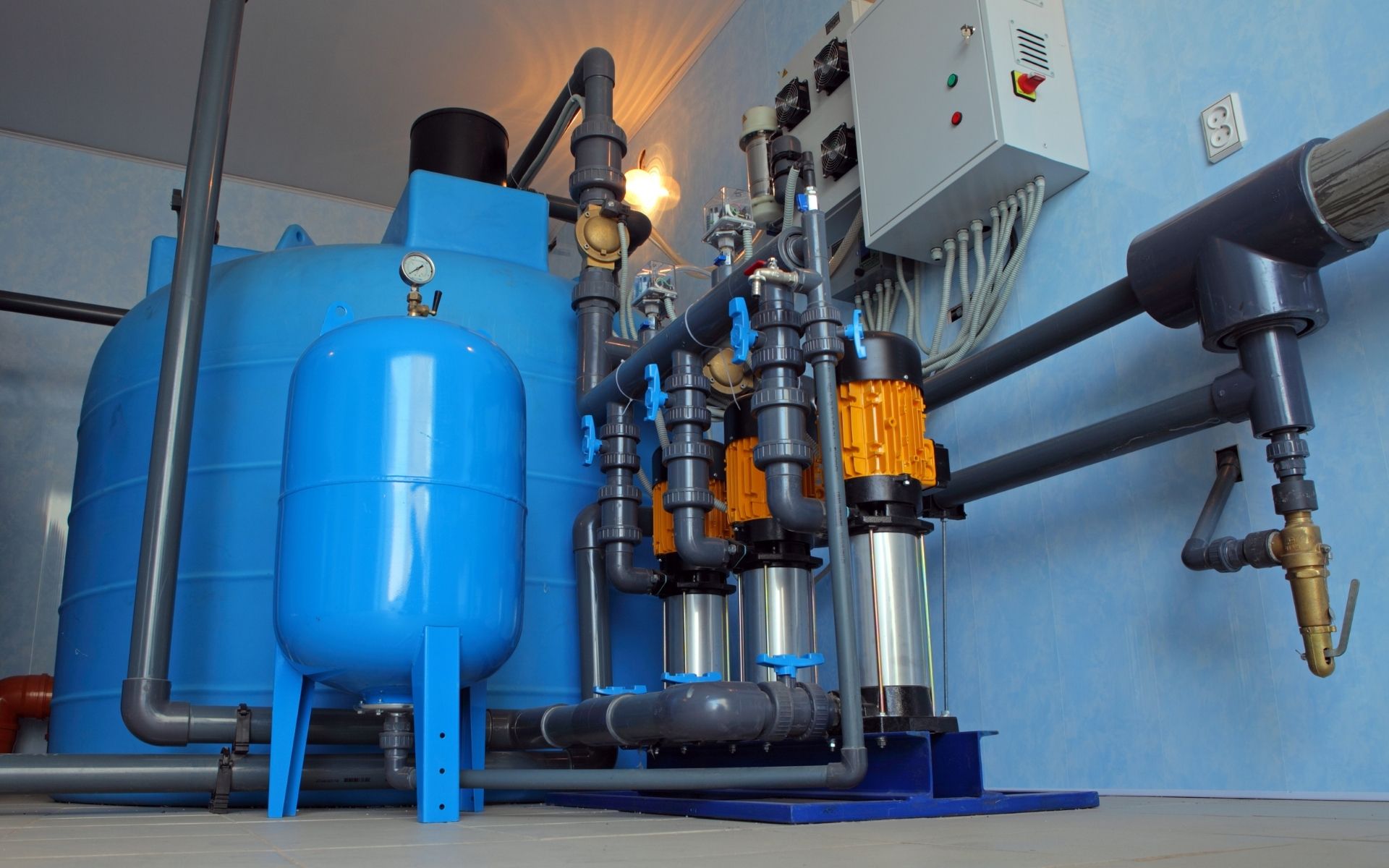
Keeping it working
Salt consumption rising without a change in household size usually means fouled resin or a valve that has stopped metering properly.
Water that feels hard again after years of being soft points at an exhausted bed, and on a well that usually traces back to iron.
We service every major brand, including systems we did not install, and we start by testing rather than assuming.
Where we work
We cover Canyon Lake, Startzville, Sattler, Spring Branch, Bulverde, New Braunfels and the wider Comal County area.
Emergency callout runs around the clock, because a leaking or bypassed system is a today problem.
Testing is free and carries no obligation, and a fair share of visits end with us recommending nothing at all.
Frequently asked questions
How hard is the water at Canyon Lake?
Readings commonly sit in double digits in grains per gallon, which is classed as very hard on every published scale.
Is hard water dangerous to drink?
No. Calcium and magnesium are not health hazards. The cost falls on plumbing, appliances and the products you buy.
Will a filter remove hardness?
No. Sediment and carbon filters improve clarity and taste. Only ion exchange removes calcium and magnesium.
I am on the public supply. Do I still need a softener?
Usually yes. Treatment makes the water safe rather than soft, so hardness reaches the tap unchanged.
Do you cover Startzville and Sattler?
Yes, along with Spring Branch, Bulverde, New Braunfels and the wider Comal County area.
Find out how hard your Canyon Lake water is
We test on site for free across Boerne, Kerrville, Fredericksburg, New Braunfels, Canyon Lake and the wider Hill Country. You get the numbers in writing, with no obligation.
Related reading: Canyon Lake water softeners, water softeners, free water testing, softener repair and service.
More from this guide: hard water in Gillespie County, what is in Hill Country water and water treatment in Boerne.
Sources and further reading: Texas Well Owner Network (Texas A&M AgriLife), EPA national primary drinking water regulations, Texas Water Development Board groundwater data.