
Water testing is where every honest recommendation starts. We do free on-site water testing across San Antonio and the Texas Hill Country, and send samples to a lab when bacteria, nitrates or dissolved solids need a proper number rather than an estimate.
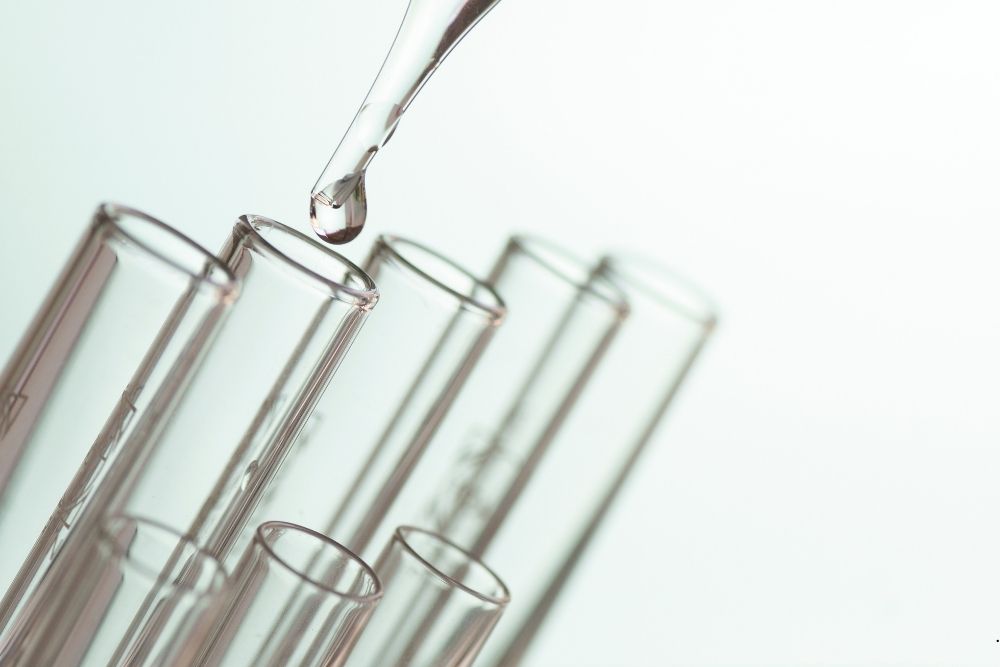
Two houses on the same road can need completely different treatment. One is on the city supply and needs softening and carbon. The other is on a well two hundred metres away and needs iron removal, sediment pre-filtration and UV before a softener would even survive.
A test takes the guesswork out. It tells us hardness in grains per gallon so a softener can be sized properly, iron and manganese so we know whether pre-treatment is needed, pH because acidic water eats copper, and whether the smell you are describing is sulfur or something else.
It also tells you when you do not need something. We have talked plenty of people out of equipment they came to us asking for, because the numbers did not support it.
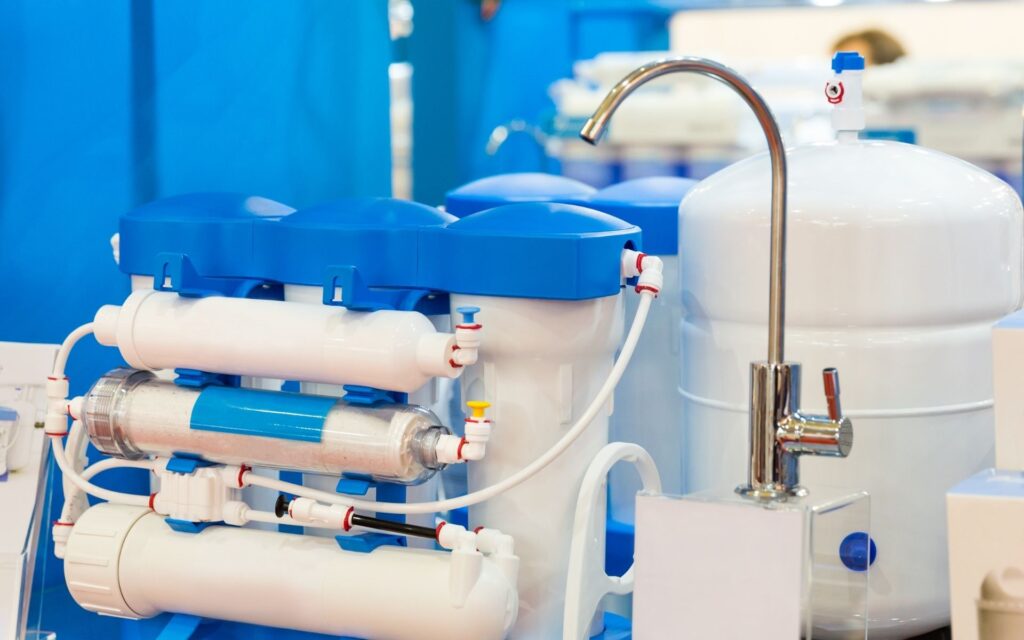
The full picture takes about twenty minutes and covers everything a treatment recommendation depends on.
Calcium and magnesium, reported in grains per gallon. This is the number that sizes a softener and the one most people have never actually seen for their own house.
The cause of orange and brown staining, and the reason plenty of softeners fail early. Wells are far more likely to carry both than city supplies.
Acidic water corrodes copper pipe and leaves blue-green staining. Alkaline water accelerates scale. Either one changes what we would recommend.
The overall mineral load, which drives how the water tastes and whether reverse osmosis is worth adding at the kitchen tap.
Hydrogen sulfide has a rotten-egg smell and needs oxidation or specialist media. Carbon alone will not deal with it.
Sand, silt and particulate that clog fixtures and score valve seats. Cheap to filter, expensive to ignore.
From a free hardness check to a full well panel, depending on what you are trying to find out.
A technician comes to you, tests at the tap, looks at your plumbing and existing equipment, and leaves you with the numbers and a written recommendation. No charge.
A deeper test for private wells, covering iron, manganese, sulfur, pH, hardness and sediment, with bacteria testing arranged where it is warranted.
For restaurants, salons, car washes and manufacturing, where water quality affects equipment life, product consistency or compliance.
After a system goes in, we retest to confirm it is doing what we said it would. That is the part that turns a promise into a number.
Hardness is reported in grains per gallon. Anything above 10 is very hard, and most of the Hill Country sits between 15 and 20+. Iron above around 0.3 parts per million will start staining fixtures and laundry, and it will foul softener resin long before it becomes a health question.
We walk you through your own numbers rather than handing over a printout. If a reading does not justify equipment, we say so. If it justifies something smaller than what you were expecting to buy, we say that too.

Nobody should buy a water system from a brochure. Here is what actually happens.
We test what is coming out of your tap or your well, hardness in grains per gallon, iron, pH, odor, sediment, and look at your plumbing. About twenty minutes, no charge.
A written recommendation and a firm price based on your numbers and your household use. If a smaller unit does the job, we say so.
Installation by a licensed technician, then filters, settings checks and 24/7 repair for as long as you own the system.
We are not a franchise and we are not a call centre. The person who tests your water works for the company that installs and services it.
Deep roots in San Antonio and the Hill Country, and customers who have been with us for decades.
Class 3 certified by the Texas Water Commission and licensed by the Water Quality Association.
We install and service all major brands, even if the system was not purchased from us.
A leaking or failed system does not wait for business hours. Neither do we.
From single-family homes to restaurants, salons and industrial facilities, sized to the load.
On-site testing and a written estimate cost nothing, with no obligation attached.
The numbers point at one of these. Sometimes at none of them, which is a perfectly good outcome.
Ion-exchange softening sized to your hardness reading, for city and well supplies.
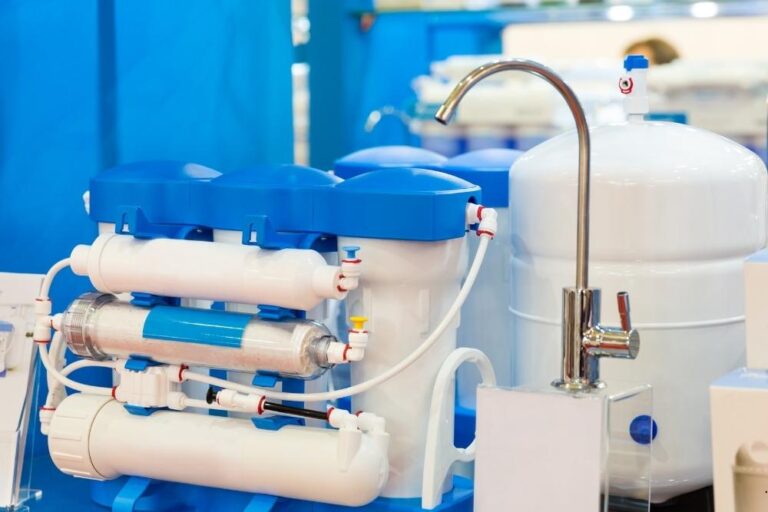
Carbon and sediment stages for chlorine, taste, odor and grit at every tap.
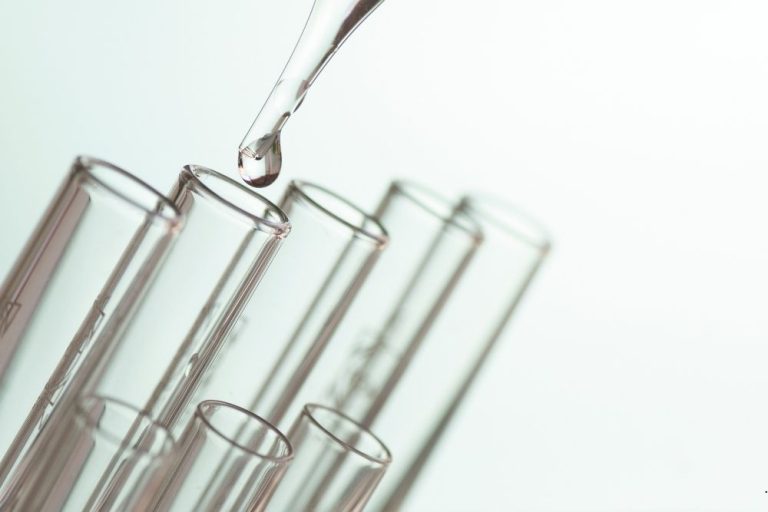
Annual testing, bacteria panels and the checks worth running after a flood.
Yes. A technician comes to your property, tests the water, looks at your plumbing and gives you a written recommendation, at no charge and with no obligation to buy anything. It is how we have done business since 1989.
About twenty minutes for a standard residential test. A full well panel takes longer, and bacteria testing needs a lab turnaround of a few days.
It is worth knowing your hardness number even on a municipal supply, because that is what sizes a softener. City water is treated for safety, not for hardness, and San Antonio supplies still deposit scale.
Annually as a baseline, and additionally after flooding, after any work on the well, if the taste, smell or colour changes, or before buying a property that relies on one.
Yes. Bacteria testing needs a laboratory rather than a field kit, so we collect the sample properly and arrange the analysis. It is the test that matters most on a private well.
We will tell you what the numbers say and what it would cost to address them, in writing. If they do not justify equipment, we will tell you that instead, and it happens more often than you might expect.
Water testing tells you what you are actually dealing with. Without it, every recommendation is a guess, and guesswork is how households end up with equipment that does not fix the problem they had.
City customers and well owners need different water testing. On San Antonio city water the useful figures are hardness and chlorine. On a private well, water testing has to cover iron, sulfur, sediment, pH, nitrates and bacteria as well.
Our on-site water testing is free and takes about twenty minutes. We measure hardness in grains per gallon, check for iron and obvious odor, and look at clarity, which is usually enough to size a system.
Some results need a laboratory. Coliform bacteria, nitrates and total dissolved solids cannot be read reliably on a doorstep, so that water testing goes to a lab and we quote it before sending anything.
Hardness is the headline number here. Limestone country puts most supplies between 15 and 25 grains per gallon, and water testing gives the exact figure a softener has to be sized against.
Bacteria are pass or fail. A positive coliform result after water testing usually points at the wellhead rather than the aquifer, so the next step is inspecting the cap, casing and surface drainage.
Frequency matters for wells. Annual water testing for bacteria and nitrates is the sensible baseline, with a retest after flooding, pump work, or any sudden change in taste, smell or colour.
There is no obligation attached. A good share of our water testing visits end with us telling a homeowner the water is fine and no equipment is needed, which is a perfectly good result.
| Measurement | Why it matters | Typical local result |
|---|---|---|
| Hardness (gpg) | Sizes any softener | 15 to 25 grains per gallon |
| Iron | Orange staining, fouls softener resin | Common on wells |
| Manganese | Black specks and staining | Occasional |
| Hydrogen sulfide | Rotten egg smell | Common in pockets |
| pH | Low pH attacks copper pipe | Usually alkaline |
| Coliform bacteria | Pass or fail, points at the wellhead | Usually negative |
Is water testing really free? The on-site visit is. Laboratory work for bacteria and nitrates is quoted before we send anything, so nothing is charged without your agreement.
How long does it take? About twenty minutes on site. Laboratory water testing results usually come back within a few working days.
Will you push equipment on me? No. Plenty of water testing visits end with us saying your water is fine.
Are home kits any good? Useful for a rough hardness reading. For bacteria and nitrates, laboratory water testing is the only result worth acting on.
Check any of this against the primary sources:
Twenty minutes, at your property, at no cost. You keep the numbers whatever you decide to do next.