Short answer: A typical softener lifespan is 10 to 15 years for the control valve and resin, and 20 years or more for the tanks. In San Antonio, chloramine in city water and iron in well water can shorten resin life, sometimes to 5 to 8 years. Basic maintenance, like keeping salt clean, breaking up bridges and sanitizing the brine tank now and then, is what keeps a unit near the top of that range.
What this guide covers
- How long do water softeners last?
- Softener lifespan by component
- What shortens softener lifespan in San Antonio
- Repair or replace?
- Signs your softener lifespan is running out
- A simple maintenance schedule
- Can I pour bleach in my brine tank?
- Salt bridging and sediment
- Well water and iron
- Getting a real answer for your house
- Frequently asked questions
How long do water softeners last?
Most residential water softeners last 10 to 15 years, and that is the softener lifespan most manufacturers design for. Some run 20 years with a valve rebuild and new resin. Others quit in 6 or 7 years because of harsh water or neglect. The range is wide because a softener is really three parts that wear at different rates.
Those parts are the control valve on top, the resin tank that does the softening, and the brine tank that holds the salt. When people say a softener “died,” it is usually one of the first two. The tanks themselves rarely fail on a residential system.
So the useful question is not just how old your unit is. It is which part is wearing out, and whether fixing it costs less than a new system.
Softener lifespan by component
The control valve is the brain. It times regeneration, moves water through the cycles and meters usage on demand units. A good valve typically lasts 10 to 15 years. Seals, pistons and spacers wear sooner and can usually be replaced for far less than a new valve.
The resin bed is the engine. On city water without heavy chlorine, resin commonly lasts 10 to 15 years. Chlorine and chloramine break it down faster, and iron fouls it. When resin wears out, it swells, turns mushy and loses capacity, so the unit regenerates more and softens less.
The mineral tank and brine tank are the shell. Fiberglass-wrapped resin tanks and plastic brine tanks commonly last 20 years or more. Softener lifespan, in practice, is set by the valve and the resin, which is why those two drive the repair or replace decision.
- 10 to 15 yrstypical control valve life
- 10 to 15 yrsresin on city water, less with chloramine
- 20+ yrsmineral and brine tanks
- 15 to 20+ gpgcommon Hill Country hardness
What shortens softener lifespan in San Antonio
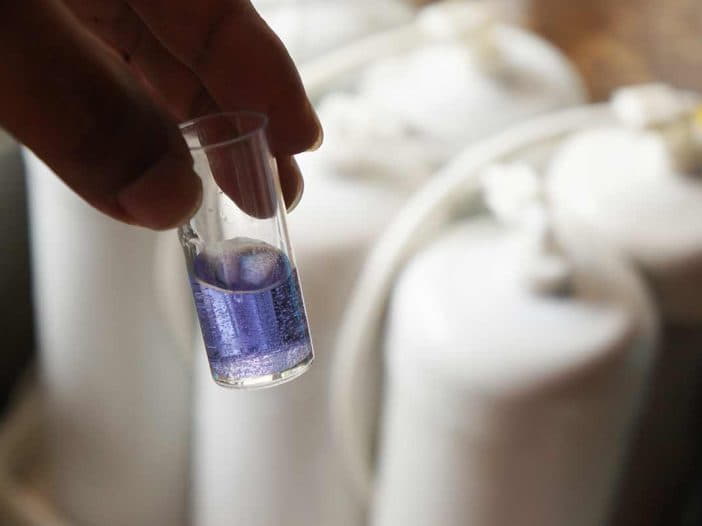
Four things do most of the damage here. First is disinfectant. SAWS and many city systems use chloramine, which is gentler on taste than chlorine but still oxidizes resin over time. A carbon filter ahead of the softener can protect resin, though it adds cost and needs its own media changes.
Second is iron, mostly on wells. Third is salt bridging, where a hard crust forms in the brine tank and the unit makes weak brine without you noticing. Fourth is sediment, which clogs injectors and screens and makes the valve work harder.
Hardness itself plays a role too. Hill Country and San Antonio water is hard, commonly 15 to 20+ grains per gallon, so units here regenerate more often than in soft water regions. More cycles mean more wear on the valve. A correctly sized unit softens well and cycles less, which is the simplest way to stretch softener lifespan.
- 1FilterUse carbon pre-filtration if chloramine is chewing through your resin.
- 2TreatAdd iron pre-treatment on wells with measurable iron.
- 3CheckLook in the brine tank monthly and break up any salt bridge.
- 4SizeMatch capacity to your hardness so the unit is not over-cycling.
Repair or replace?
A softener under 10 years old with a single failed part is usually worth repairing, since one part rarely ends softener lifespan. A new seal kit, motor, injector or circuit board typically costs far less than a new system. A resin change on a sound valve and tank can also make sense.
Past 12 to 15 years, near the end of a typical softener lifespan, the math shifts. If the valve and resin are both worn, you are paying for two major repairs on an older platform, and parts for some discontinued valves get hard to find. At that point, replacement is often the better value.
For reference, a sized system installed on city water typically runs $1,500 to $3,500, with twin-tank and high capacity systems at $3,000 to $5,000+. Our water softener cost guide has more detail. Here is a rough guide to the decision.
| Situation | Usual call | Why |
|---|---|---|
| Under 10 years, one failed part | Repair | Parts cost far less than a new unit |
| Worn resin, good valve and tank | Rebed the resin | Restores capacity on a sound platform |
| Valve failing, parts discontinued | Replace | Repairs get harder and pricier |
| Over 15 years, valve and resin both worn | Replace | Two major repairs on an old unit |
| Cracked or leaking resin tank | Replace | The shell is the hardest part to swap |
| Wrong size for the house | Replace | Repairs do not fix poor sizing |
Signs your softener lifespan is running out
The clearest sign is hard water returning. Spots come back on glasses, soap stops lathering well and white crust shows up on faucets. If you are not sure, a simple hardness test at a kitchen tap tells you in a minute. Our post on signs of hard water covers the symptoms.
Other signs point to specific parts. Salt that never goes down suggests the unit is not drawing brine. Salt that disappears fast or a brine tank full of water suggests a valve or float problem. Resin beads in your faucet aerators mean a broken distributor tube or underdrain inside the resin tank.
A unit that runs at odd hours, grinds, leaks at the valve or shows a blank display needs service. Low pressure throughout the house can mean a fouled resin bed. None of these always mean the end of softener lifespan, but each is worth a call.
A simple maintenance schedule
You do not need to fuss over a softener, but a few habits make a real difference to softener lifespan. Monthly, check the salt level and look for bridging. Keep the salt a few inches above the water and below the top of the tank, and use clean, high purity pellets.
Every year, have the system checked to keep softener lifespan on track: hardness in and out, valve settings, injector and screen, and the brine draw.
Every few years, clean and sanitize the brine tank, and every 10 years or so expect resin to be tested and possibly replaced, sooner on chloramine or iron.

Can I pour bleach in my brine tank?
Often yes, but follow your manufacturer’s instructions first. Common guidance is to add a small amount of plain, unscented household bleach to the brine well when the salt is low, then run a manual regeneration so it passes through the resin and rinses out. Do not use scented, splashless or additive bleach.
Some manufacturers prohibit bleach because it can damage certain resins or valve parts, and some recommend a dedicated softener sanitizer instead. Check the manual or ask your installer before you pour anything. If you are on chloramine city water, your resin is already taking some oxidizer, so do not overdo it.
Before sanitizing, it helps to empty and clean the brine tank: scoop out old salt and sludge, rinse, then refill. Doing this every few years keeps bacteria and sediment from building up, and it is one of the cheapest ways to protect softener lifespan.
Salt bridging and sediment
A salt bridge is a hard crust that forms across the brine tank, leaving an empty gap below. The tank looks full, but the water underneath never touches the salt, so the softener regenerates with weak brine and your water slowly goes hard. Humidity and overfilled tanks make it more common.
To check, press down on the salt with a broom handle. If it is solid and hollow underneath, gently break it up. Avoid filling the tank to the top, and avoid cheap rock salt with a lot of insoluble material, which leaves sludge in the bottom of the tank.
Sediment is the other slow killer of softener lifespan. Sand, scale and fine particles collect on the injector and screens and can foul the resin. A sediment pre-filter is inexpensive insurance, especially on wells and older city plumbing.

Well water and iron
Many Hill Country homes around Boerne and Canyon Lake run on private wells, often drawing from the Trinity Aquifer. Well water can carry iron and manganese along with hardness. A softener can remove small amounts, but iron coats the resin over time, cuts capacity and shortens its working life.
If your well has more than a trace of iron, plan on pre-treatment ahead of the softener. That typically adds $1,000 to $3,000 to the project, depending on the iron level and type. It pays off in a longer softener lifespan.
Iron resin cleaners help softener lifespan between services, but they do not replace proper treatment. A test for iron, manganese and pH tells you which setup you need.
Getting a real answer for your house
Age is only part of the softener lifespan story. A free on-site test shows your hardness, iron, TDS and pH, and a quick look at your current unit tells us whether it needs a part, new resin or a full replacement. We service all brands, including Rainsoft, Culligan and Kinetico style systems.
If your softener can be repaired for a fraction of a new one, we will tell you. If it has reached the end of its life, you will get a written quote sized to your water and household.
Frequently asked questions
How long do water softeners last?
Most last 10 to 15 years. The control valve and resin typically wear out first, while the tanks commonly last 20 years or more.
What is the average softener lifespan on San Antonio water?
Typically 10 to 15 years with basic maintenance. Chloramine on city water and iron on wells can shorten resin life, and high hardness means more regeneration cycles.
Can I pour bleach in my brine tank?
Often yes, a small dose of plain unscented bleach is common guidance, followed by a manual regeneration. Some manufacturers prohibit it, so check your manual first.
How do I know if my water softener is going bad?
Hard water symptoms returning, salt that never goes down, a brine tank full of water, resin beads in faucets or low pressure are the usual signs.
Is it worth repairing an old water softener?
Under 10 years with one failed part, usually yes. Past 15 years with a worn valve and resin, replacement is often the better value.
How often should a water softener be serviced?
Check salt monthly, have the system checked yearly and clean the brine tank every few years.
Find out what your softener has left, free
We test on site for free across San Antonio, Boerne, New Braunfels, Canyon Lake and the wider Hill Country. You get the numbers in writing, with no obligation to buy anything.
Related reading: water softeners, well water services, water filtration systems, water treatment in San Antonio and free water testing.
More from this guide: Is softened water safe to drink?, How often should a water softener regenerate? and Water softener cost.
Sources: Water Quality Association, San Antonio Water System, Texas Well Owner Network.