
Dripping Springs homes get water three ways: a utility line, a private Trinity well, or a rainwater tank. Each one needs something different, and the test tells us which.
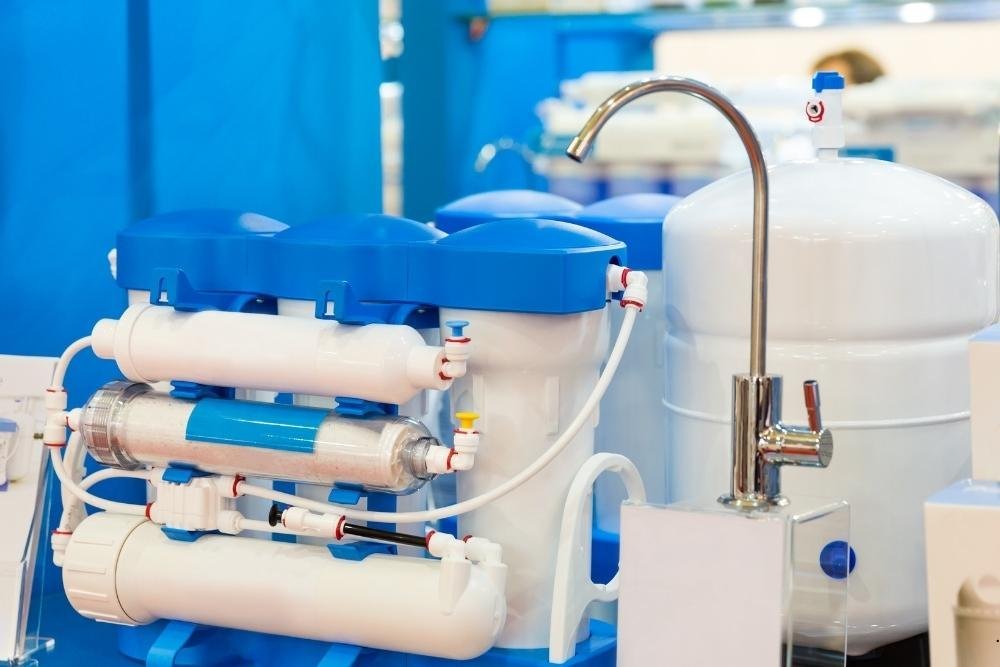
Much of the groundwater around Dripping Springs comes from the Trinity aquifer. It moves through limestone and arrives hard, whether it reaches you through a utility line or your own well.
Utility water is treated for safety before it reaches you. Treatment does not soften it, so hardness passes straight through and scales fixtures and water heaters.
Private wells deliver the aquifer as it is, often with iron, sediment or sulfur on top of the hardness. And a growing number of homes here collect rainwater, which is naturally soft but needs filtering and disinfecting before it is safe to use.

Everything we do is available across Dripping Springs, Driftwood, Henly and the surrounding area.
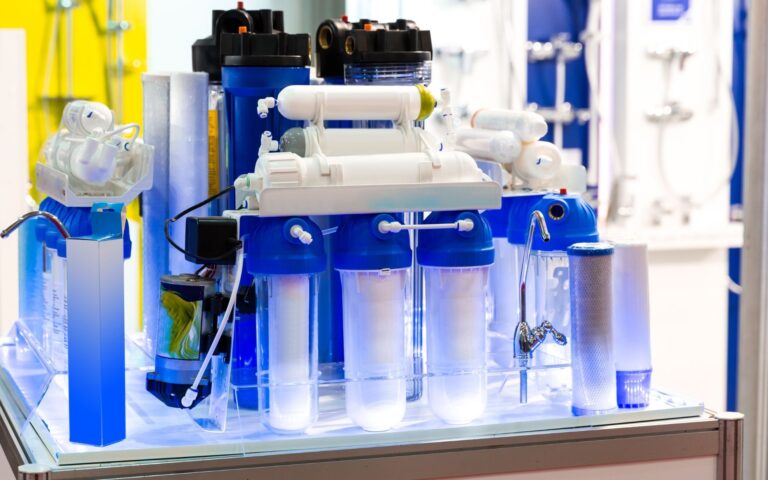
Ion-exchange softening sized to your hardness reading, for city and well supplies.
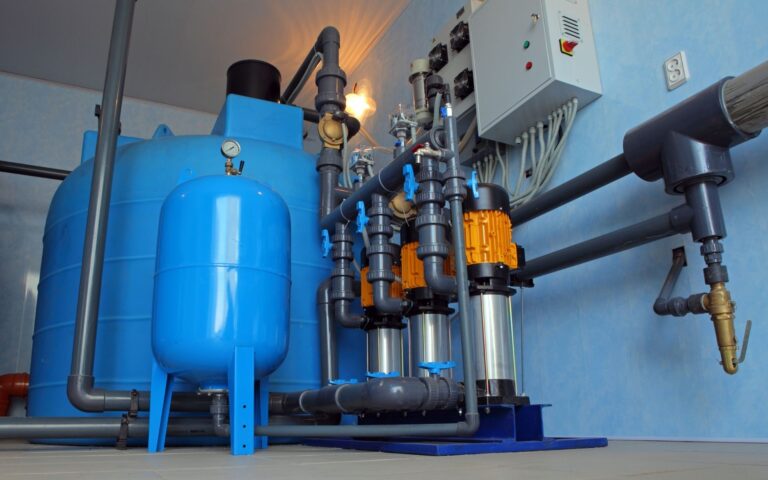
Iron, sulfur, sediment, bacteria and pH, the pre-treatment a well needs.
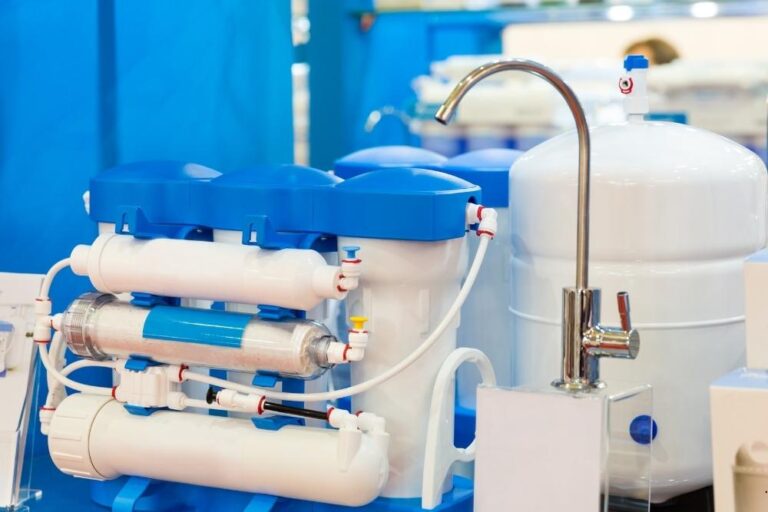
Carbon and sediment stages for chlorine, taste, odor and grit at every tap.
Rain falls soft, which is why plenty of Dripping Springs homeowners chose to collect it. On the way to your tap, though, it runs across a roof, through gutters and into a storage tank, and it can pick up debris, organic matter and bacteria along the way.
A rainwater system needs filtration and disinfection rather than softening. That usually means sediment filtration, carbon for taste and odor, and UV to treat bacteria. Some homes blend rainwater with well water in dry spells, and then hardness comes back into the picture too.
We have been testing and treating water in this part of Texas since 1989, and we answer the phone ourselves.
Family-owned, locally operated, and still on the same phone number after thirty-six years.
Class 3 certified by the Texas Water Commission and licensed by the Water Quality Association.
We supply the equipment and install it ourselves, with one written price that covers the whole system.
Softening, filtration and drinking water designed as one system for every tap, shower and appliance.
We test at your property, explain the numbers and put the recommendation in writing, at no charge.
Capacity and stages chosen from your test result, not from a regional average or a catalogue page.
If you are close to Dripping Springs and not listed, call anyway. We probably cover you.
Hays County, Cypress Creek and Trinity wells.
Blanco County, river water and ranch wells.
Hays County, city water and the San Marcos River.
Groundwater here is hard, whether it comes through a utility or your own Trinity well. Rainwater is the exception. A free test gives you your exact numbers.
Usually yes. Utility treatment makes water safe, not soft. Hardness passes straight through to the tap.
Typically sediment filtration, carbon filtration and UV disinfection. Rainwater rarely needs softening unless you blend it with well water.
At least once a year. Local groundwater agencies recommend annual testing for private wells, and Trinity water can change with drought.
Yes, along with the surrounding parts of Hays and western Travis County.
It depends on your water and your household size. After the free test you get a firm written price for the complete system, installed.
Dripping Springs homes use three kinds of water. Utility supply, private Trinity wells and collected rainwater.
Groundwater here is hard. Utility water and private wells both carry the minerals the Trinity’s limestone puts there.
On utility water the job is usually straightforward. A correctly sized softener, and carbon filtration if taste bothers you.
On a well the order of treatment matters. Sediment first, then iron and sulfur, then softening, then UV if bacteria shows up.
Rainwater needs a different system. Filtration and UV disinfection rather than softening.
We have served Dripping Springs and the Hill Country since 1989. We supply the equipment and install it ourselves, as one job with one written price.
A whole house system treats every tap. Showers, laundry, the water heater and the kitchen all get the same treated water.
Testing is free and carries no obligation. Some visits end with us telling you a smaller system will do the job.
| Dripping Springs supply | Common issue | What we usually fit |
|---|---|---|
| Utility water | Scale and spotting | Correctly sized ion-exchange softener |
| Utility water | Chlorine taste and smell | Whole-house carbon filtration |
| Private well | Orange staining from iron | Iron filter ahead of the softener |
| Private well | Rotten egg smell | Aeration or catalytic carbon |
| Rainwater | Debris and bacteria | Sediment, carbon and UV |
| Any supply | Flat drinking water | Reverse osmosis at the kitchen tap |
Is Dripping Springs water hard? Groundwater is. Utility water and Trinity wells both test hard. Rainwater does not.
Do I need a softener on utility water? Usually yes. Utility treatment makes water safe, not soft.
What does a rainwater system need? Sediment and carbon filtration plus UV disinfection, usually without a softener.
Do you cover the Dripping Springs area? Yes, Dripping Springs, Driftwood, Henly and the surrounding area.
Dripping Springs is one of the fastest growing parts of the Hill Country, and much of that growth depends on the same Trinity aquifer for water.
In dry years, some wells in the area have struggled or gone dry. When water levels fall, the water a well pulls can get more mineral-heavy and carry more sediment.
Iron is a common finding on area wells. It stains fixtures and laundry orange and has to come out before the softener.
Sulfur is less common but hard to miss. Hydrogen sulfide gives water a rotten egg smell and passes straight through a softener untouched.
Rainwater homes are their own case. The water starts soft and clean, then picks up whatever is on the roof, in the gutters and in the tank.
Our advice for anyone in Dripping Springs is simple. Know which water source you are on, get it tested, and size the system from the numbers.
Check any of this against the primary sources:
Free on-site testing across Dripping Springs, Driftwood, Henly and the surrounding area.