
In Spring Branch, well and septic is the standard setup. That means the water coming into your house has never been treated by anyone, so testing it is the first job.
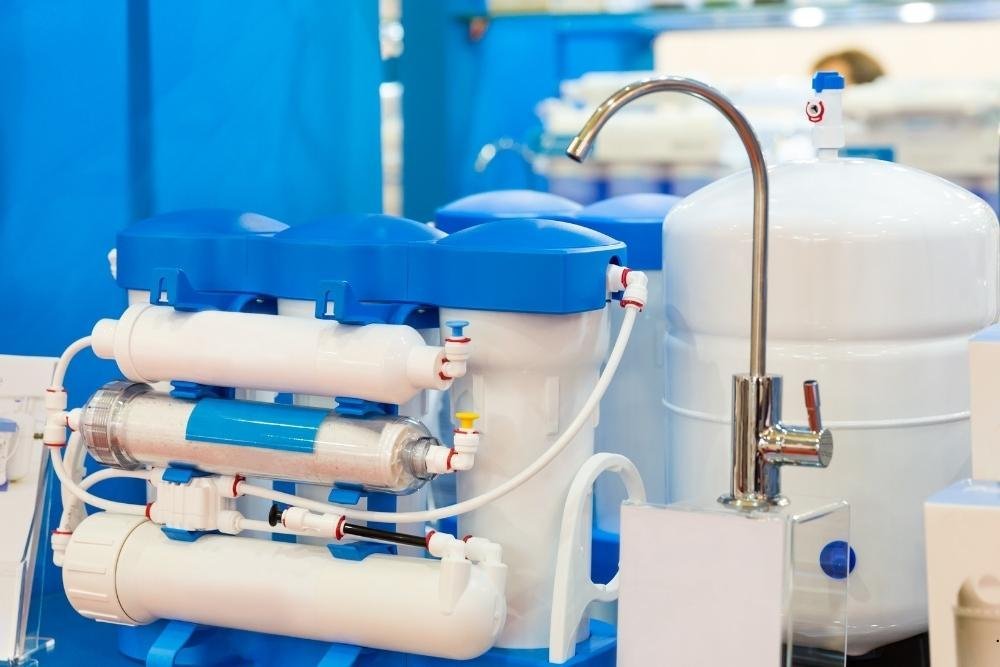
Spring Branch is unincorporated and spread out, with larger tracts than most of the surrounding area. Most properties depend on a private well drilled into the Trinity aquifer, paired with a septic system.
Trinity water moves through limestone, sandstone and shale. It arrives hard, and it often brings iron, sediment, sulfur or a combination of all three. Two wells a mile apart can test very differently.
Some homes closer to the US 281 and Highway 46 corridors are on utility supply. That water is treated for safety but not softened, so hardness still reaches every tap.

Everything we do is available across Spring Branch, Bulverde, Smithson Valley and the rest of Comal County.
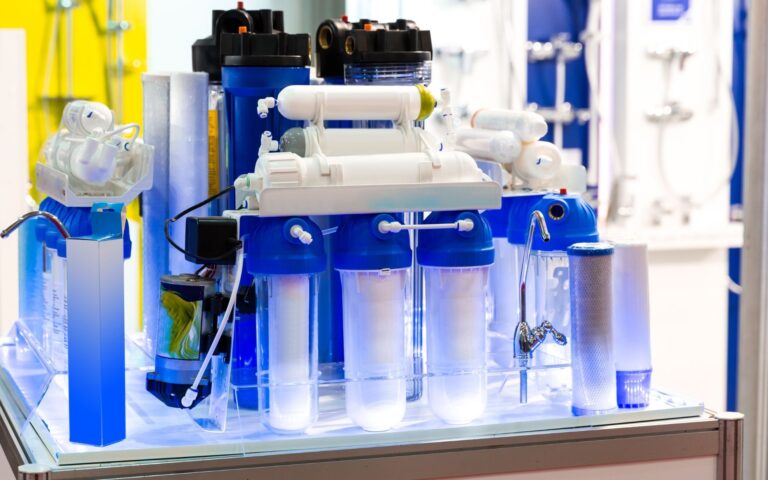
Ion-exchange softening sized to your hardness reading, for city and well supplies.
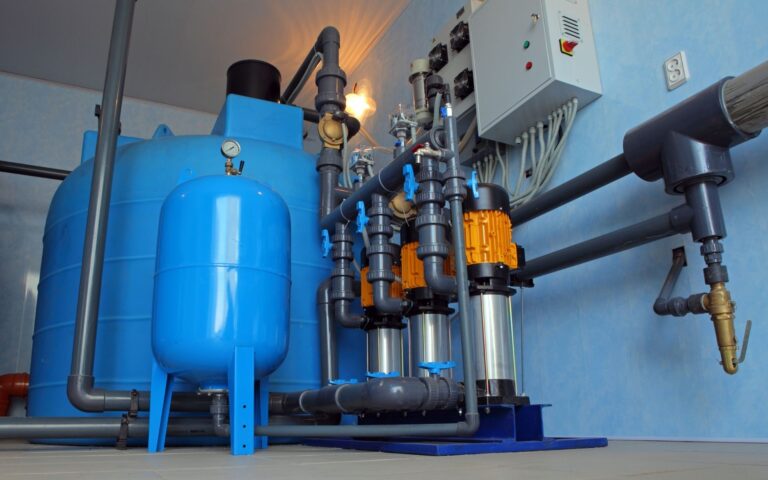
Iron, sulfur, sediment, bacteria and pH, the pre-treatment a well needs.
Carbon and sediment stages for chlorine, taste, odor and grit at every tap.
On a well and septic property, your water system has to work with both ends of the plumbing. It has to handle whatever the well delivers, and it should not waste water or salt sending regeneration water into the septic tank.
We size softeners from your measured hardness and household use, and set regeneration to run only as often as needed. That keeps water and salt use down, which matters when every gallon comes from your own well and goes to your own septic.
We have been testing and treating water in this part of Texas since 1989, and we answer the phone ourselves.
Family-owned, locally operated, and still on the same phone number after thirty-six years.
Class 3 certified by the Texas Water Commission and licensed by the Water Quality Association.
We supply the equipment and install it ourselves, with one written price that covers the whole system.
Softening, filtration and drinking water designed as one system for every tap, shower and appliance.
We test at your property, explain the numbers and put the recommendation in writing, at no charge.
Capacity and stages chosen from your test result, not from a regional average or a catalogue page.
If you are close to Spring Branch and not listed, call anyway. We probably cover you.
Subdivisions, utility water and Trinity wells.
Lake country, private wells and utility water.
Comal County, city water and the Guadalupe River.
Yes. Trinity aquifer wells here test hard, and many also carry iron or sulfur. A free test gives you your exact numbers.
A correctly sized, demand-based softener regenerates only when it needs to, which keeps the water and salt sent to the septic low. We set it up that way on well and septic properties.
That is iron, one of the most common findings on Trinity wells. It has to be removed ahead of the softener or it fouls the resin.
Hydrogen sulfide. It is a dissolved gas, so a softener will not remove it. Aeration or catalytic carbon handles it.
Yes, along with the rest of Comal County.
It depends on your water and your household size. After the free test you get a firm written price for the complete system, installed.
Spring Branch is well country. Most homes depend on a private Trinity aquifer well and a septic system.
Trinity well water arrives hard. It often carries iron, sulfur or sediment on top of the hardness.
On a well the order of treatment matters. Sediment first, then iron and sulfur, then softening, then UV if bacteria shows up.
A softener alone rarely fixes a Spring Branch well. Iron and sulfur pass through or foul it, so pre-treatment comes first.
On septic, efficiency matters. Demand-based regeneration keeps water and salt use as low as the water allows.
We have served Spring Branch and Comal County since 1989. We supply the equipment and install it ourselves, as one job with one written price.
Wells change over time. Water levels and quality shift with drought, so we recommend retesting every year.
Testing is free and carries no obligation. Some visits end with us telling you a smaller system will do the job.
| Spring Branch supply | Common issue | What we usually fit |
|---|---|---|
| Private well | Hardness and scale | Demand-based ion-exchange softener |
| Private well | Orange staining from iron | Iron filter ahead of the softener |
| Private well | Rotten egg smell | Aeration or catalytic carbon |
| Private well | Grit or cloudy water | Sediment pre-filtration |
| Private well | Bacteria present | UV disinfection |
| Any supply | Flat drinking water | Reverse osmosis at the kitchen tap |
Is Spring Branch water hard? Yes. Trinity aquifer wells in Spring Branch test hard, and many carry iron or sulfur too.
Can I use a softener with a septic system? Yes. A demand-based softener keeps regeneration water and salt use low.
Is my well water treated? No. Private wells are unregulated and untreated. Testing comes before any equipment.
Do you cover all of Comal County? Yes, Spring Branch, Bulverde, Smithson Valley and the surrounding area.
Spring Branch tracts tend to be larger and more rural than the surrounding area, and that usually means a private well rather than a utility connection.
Wells here are regulated for spacing and construction by the local groundwater district, but the water itself is the owner’s responsibility. Nobody tests it unless you arrange it.
Iron is the finding we see most. It stains fixtures and laundry orange and has to be removed before the softener.
Sulfur is the one people remember. The rotten egg smell comes from hydrogen sulfide, a gas that passes straight through a softener.
Sediment tends to show up after heavy rain or when water levels drop. A sediment stage at the front of the system protects everything after it.
Our advice for anyone new to a Spring Branch property is simple. Get the well tested, keep the results, retest every year, and size the system from the numbers.
Check any of this against the primary sources:
Free on-site testing across Spring Branch, Bulverde, Smithson Valley and the rest of Comal County.